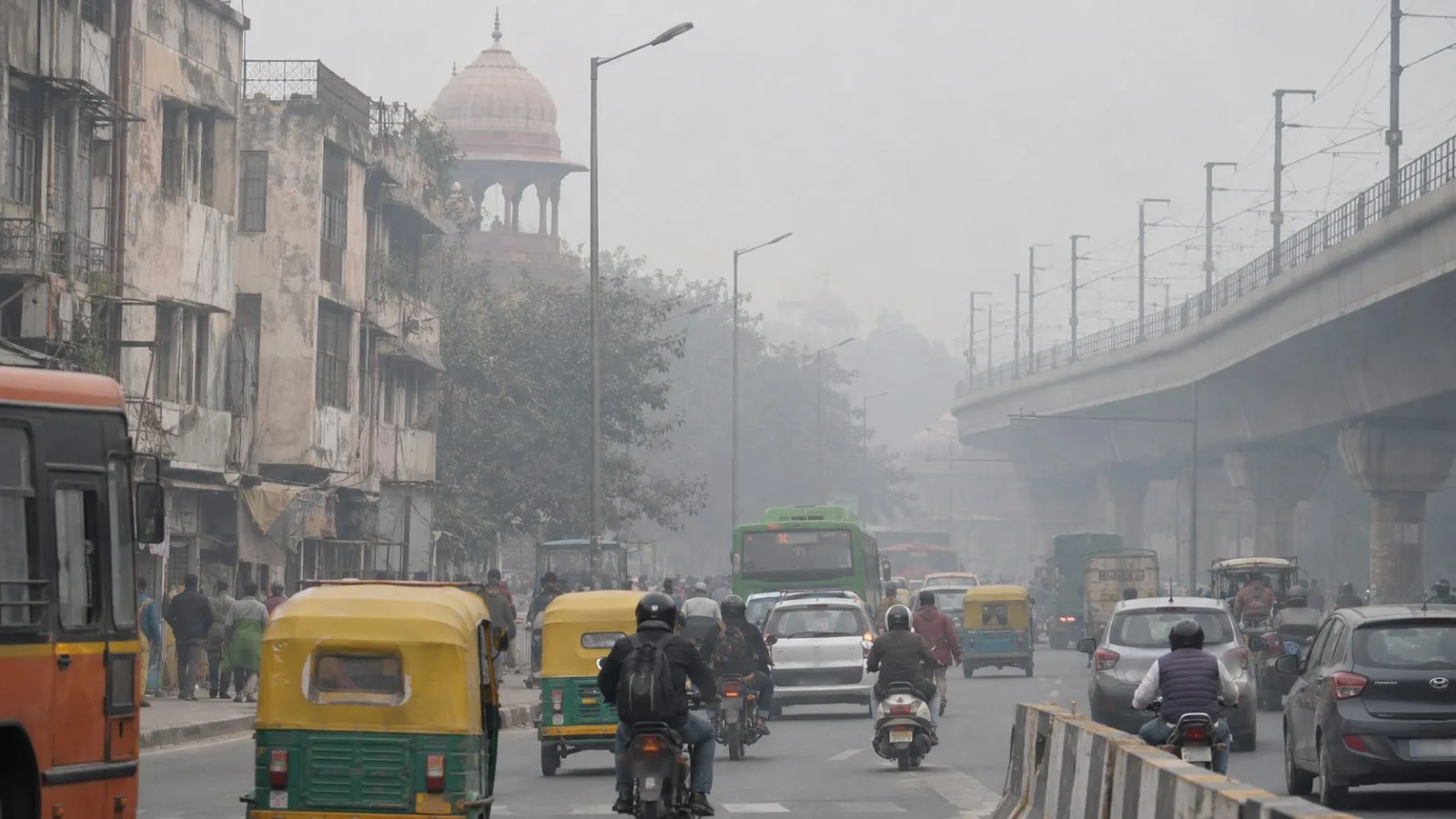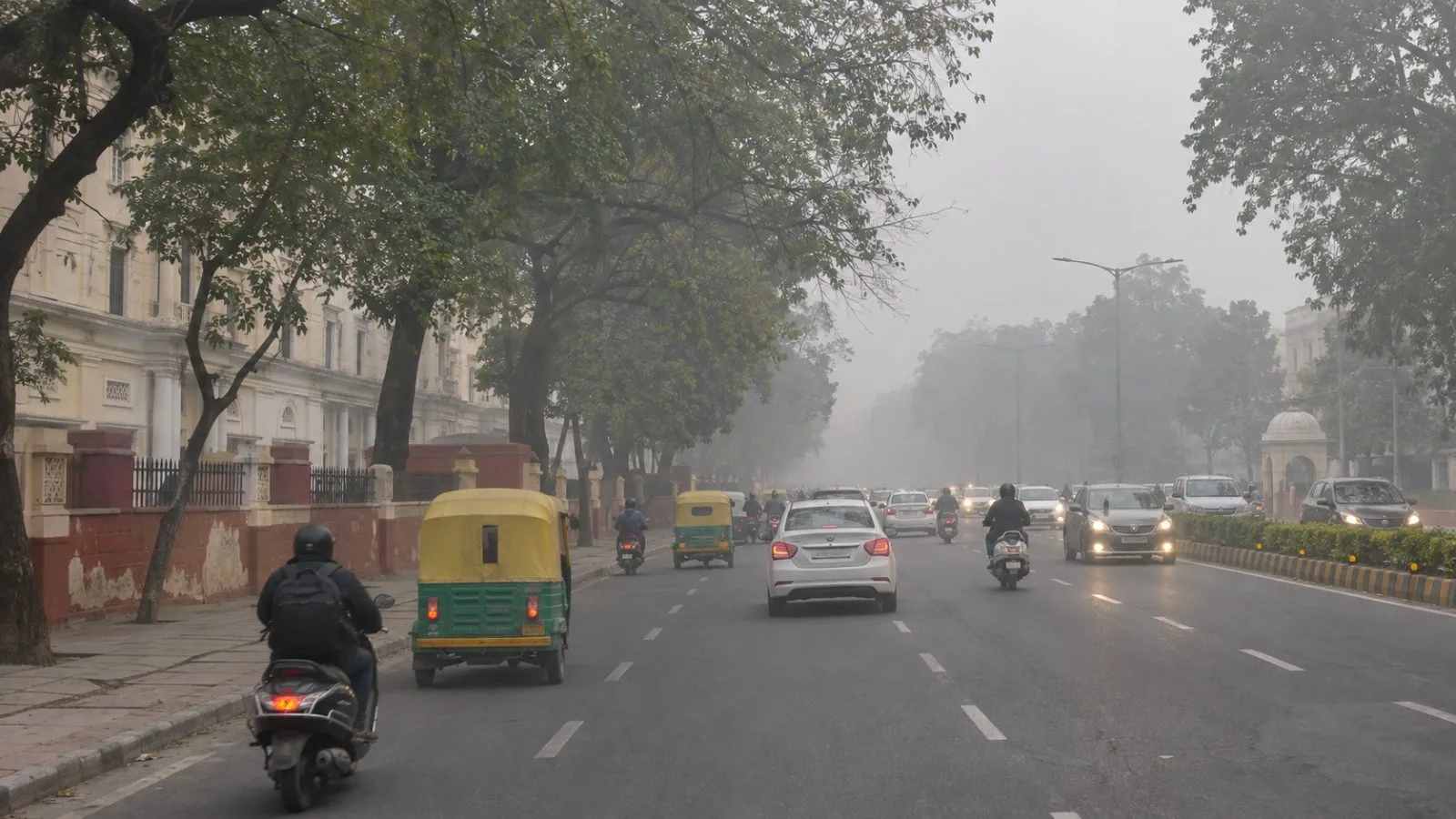
After Diwali, a PM2.5 reading in New Delhi’s Mandir Marg reached 879 micrograms per cubic meter, nearly 59 times the World Health Organization’s recommended daily maximum, IQAir said, citing a city government station.
AFP reported the reading followed the fireworks’ peak by roughly eight hours. AFP said India’s Supreme Court had permitted limited use of lower-emission “green” firecrackers during Diwali, though the restrictions are often ignored.
AFP said Delhi authorities recently restricted traffic and construction activity in an effort to reduce smog. The capital has more than 30 million residents and faces multiple sources of winter air pollution.
India’s environment ministry attributes 23% of Delhi’s winter pollution to vehicles and 20% to biomass burning, including farm stubble fires. It assigns about 9% to industry and 27% to secondary particles generated by reactions involving gases in the atmosphere.
EconoTimes previously reported IQAir readings above 461 micrograms per cubic meter in parts of New Delhi before Diwali. For India, a 2024 paper in The Lancet Planetary Health estimated 3.8 million deaths associated with air pollution during 2009 to 2019.