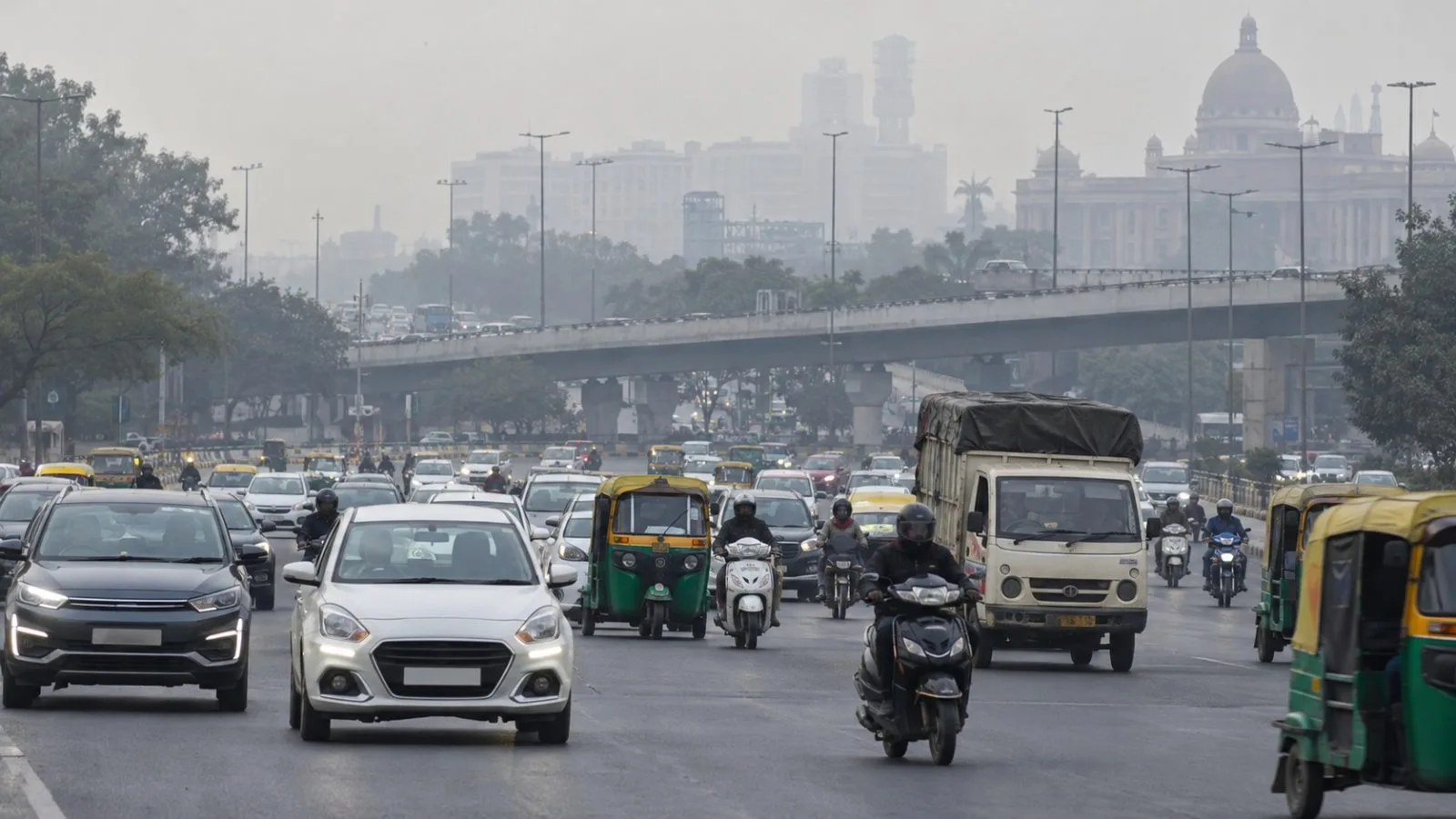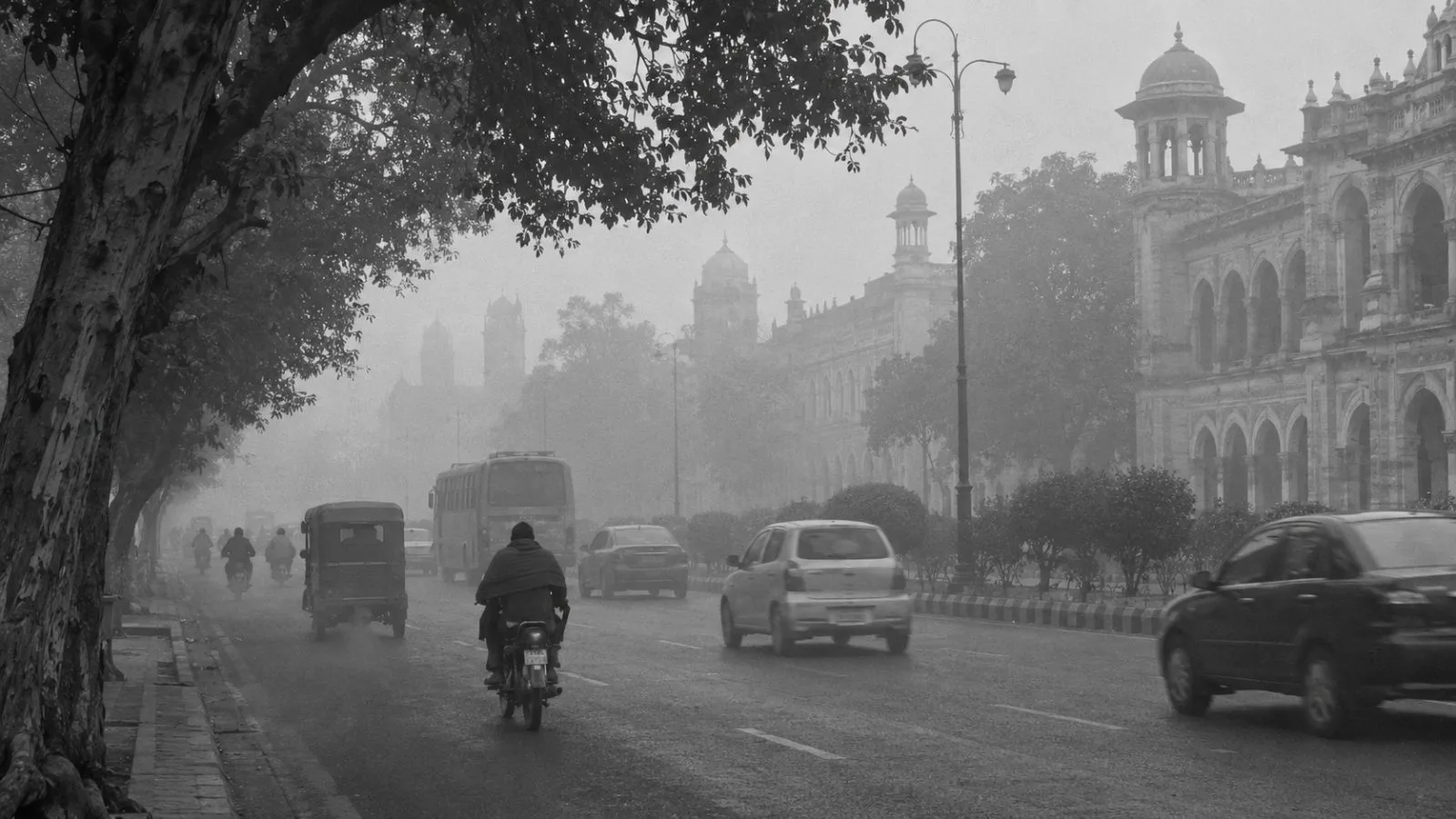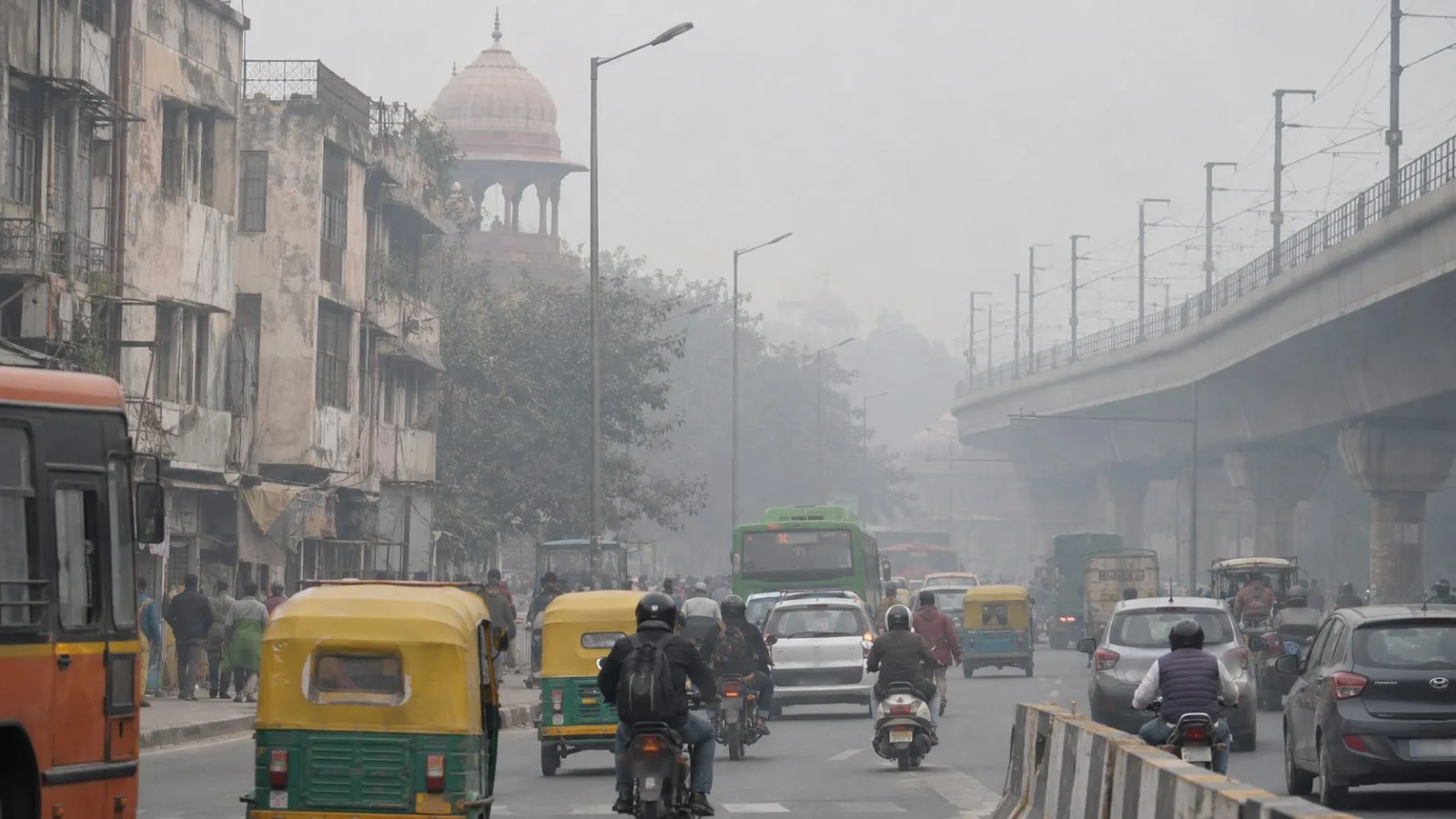
IQAir recorded PM2.5 above 461 micrograms per cubic meter in parts of New Delhi on Nov. 4, more than 30 times the World Health Organization's daily guideline.
India’s Environment Ministry attributes 23% of Delhi’s winter pollution to vehicles and 20% to biomass burning, including farm stubble fires. Secondary particles, formed when gases react in the atmosphere, account for 27%, while industry contributes about 9%, according to the ministry’s figures.
Jacob Koshy, science editor at The Hindu and author of The Nitrogen Bomb, said ammonia from fertilizer use around the capital helps create secondary particles by reacting with other pollutants.
The Straits Times reported that authorities tightened traffic and construction restrictions three days before the Nov. 4 reading. It put the wider metropolitan region’s population above 30 million. EconoTimes previously reported on Delhi’s winter pollution controls, activated by the Commission for Air Quality Management on Oct. 21.
A 2024 study in The Lancet Planetary Health estimated 3.8 million air-pollution-related deaths in India during 2009-2019. India’s Supreme Court has allowed limited use of firecrackers classified as “green” and intended to produce fewer emissions; The Straits Times reported that restrictions are often ignored.
The Straits Times reported that pollution may rise further as fireworks add emissions ahead of Diwali on Nov. 8.