HRH Infanta Cristina, a director at the “la Caixa” Foundation, and the U.N. refugee agency’s operations chief Antón Leis Garcia urged flexible aid funding as published figures for an Ethiopia nutrition project diverged.
On Friday, Oct. 23, an opinion article in The Independent identified Cristina as director of the Foundation’s international programmes and partnerships division and Leis Garcia as assistant high commissioner for operations at the United Nations High Commissioner for Refugees (UNHCR). The two said short funding cycles and agreements built around fixed activities can leave humanitarian organizations with less room to adjust as evidence accumulates. They argued that longer-term backing from philanthropy and the private sector could let aid groups test and improve their work, while stressing that it cannot replace emergency assistance.
“Accountability should mean demonstrating that money has been spent as promised, and learning from spending it,” the authors wrote.
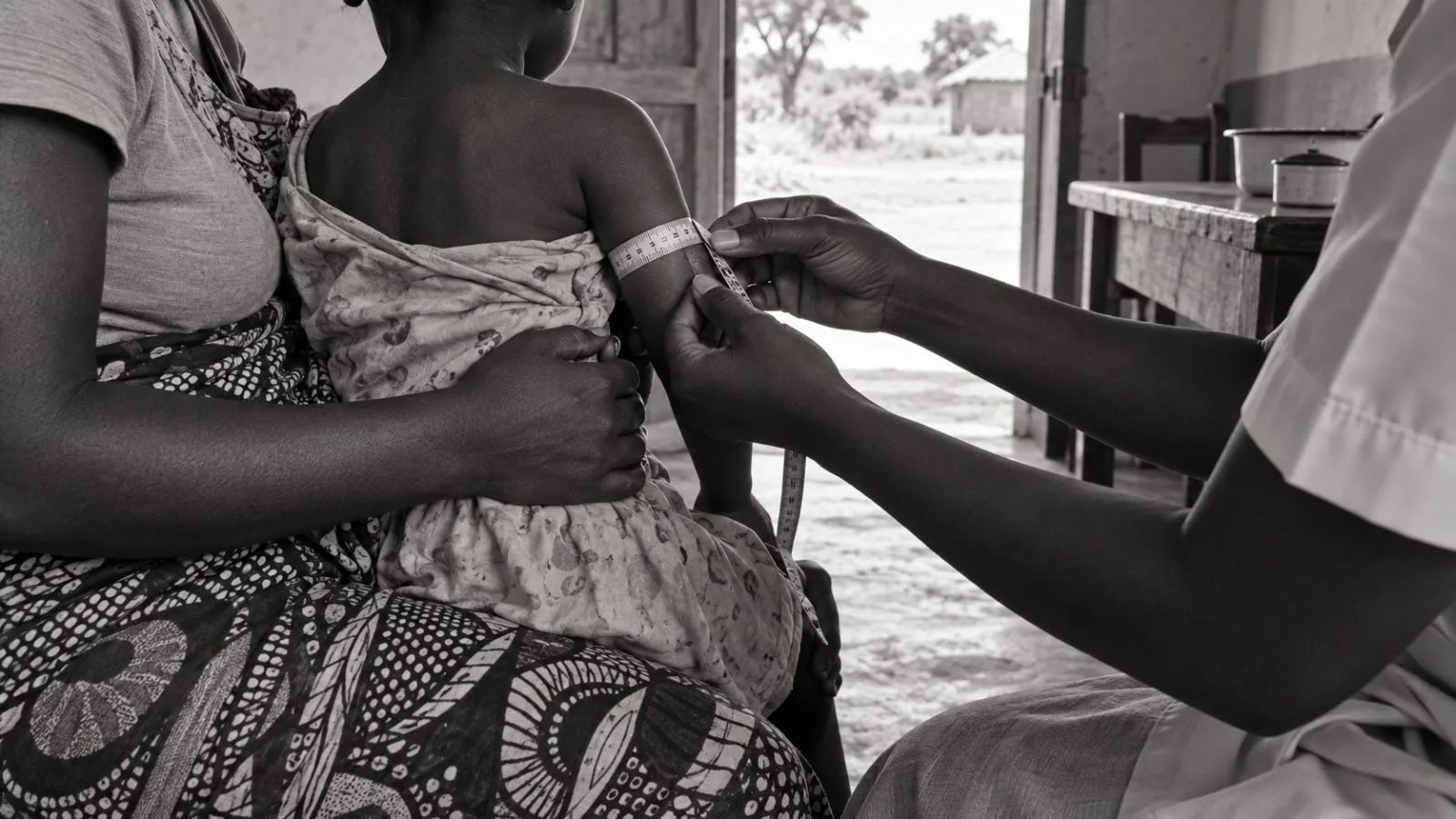
UNHCR and the “la Caixa” Foundation launched the Moments of Motherhood Project, or MOM, in 2017 to improve maternal and child health among refugee communities in Ethiopia. Foundation materials describe a program that treats severe acute malnutrition, trains mothers to recognize early signs, involves communities in nutrition care and uses digital tools to monitor children’s health. A September 2025 Foundation statement also lists cash assistance for fresh food, spaces where parents can learn about infant feeding, cooking workshops and home-gardening support.
The published accounts give different figures for MOM’s reach and results. The Independent reported that MOM supported more than 127,000 people in 2025 and that severe acute malnutrition declined 58% since the project began. The Foundation’s current project page lists more than 180,000 people “attended” in 2025 and a 40.3% decline. Its September 2025 statement reported more than 1.7 million people reached to date and a 50% reduction. A UNHCR Spanish-language partnership page also reports a 58% reduction in severe malnutrition. The sources do not establish a common basis for comparing the reported totals and percentages.
UNHCR’s 50 by 35 vision sets a 2035 goal of helping nearly 8 million refugees in long-term displacement in low- and middle-income countries move toward self-reliance and solutions. The agency says the goal does not replace life-saving assistance.