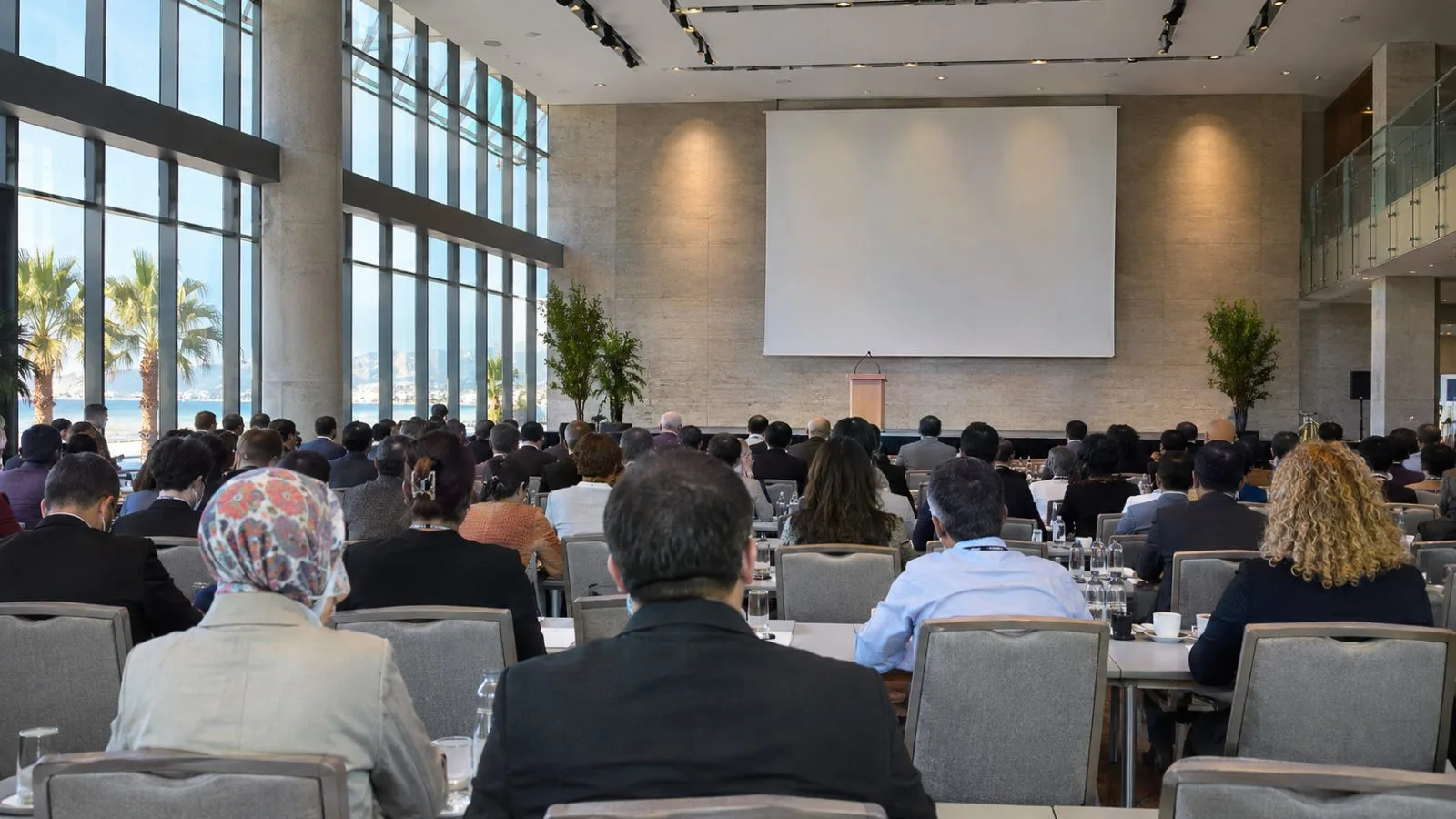
At COP31 in Antalya, former U.S. Vice President Al Gore argued that climate decisions need a supermajority vote, saying consensus can let one government halt collective action.
Agence France-Presse (AFP) reported that Gore made the argument in an interview at the summit and cited Saudi Arabia as an example. He described the possibility as “literally insane.”
The United Nations Framework Convention on Climate Change (UNFCCC) procedural guide says parties have not settled draft Rule 42, the section meant to govern votes. Until they do, the proposed procedure cannot be applied. The guide describes consensus as the usual route and says an objection from a party can stop a decision. That account implies each party may have practical power to block adoption, but it does not identify a Saudi-specific veto.
AFP reported that Saudi Arabia, Russia and India have been accused of pushing back against proposals for stronger wording on oil, gas and coal. The report did not cite an instance at COP31 in which Saudi Arabia blocked a particular decision.
The UNFCCC says the COP28 global stocktake decision called on parties to contribute to a just, orderly and equitable transition away from fossil fuels in energy systems. Türkiye's COP31 target is to raise electricity's share of final energy demand from a little above 20% to 35% by 2035.
Climate TRACE modeled an annual reduction of about 4.1 billion tonnes of carbon dioxide equivalent, or 7% of global emissions, if the target is met. A separate scenario pairing electrification with new clean power and measures chosen for greater emissions impact produced modeled cuts of 7.9 billion tonnes a year, or 13.7%. The estimates are scenarios, not reported emissions cuts. AFP did not report what percentage threshold Gore would set or how his proposed procedure would work.
The COP31 Presidency held consultations on strengthening the UNFCCC process on Nov. 12 and 13. The summit is scheduled to run through Nov. 20. Written submissions on a proposed cover decision are due 2 p.m. ET Saturday, Nov. 14 (19:00 UTC); the published consultation information lists no vote on Gore's proposal.