


 Oil Prices Surge Above $106 After Deadly Saudi Airport Attack
  Bumble Shares Surge 50% on $1 Billion Buyout Talks
  Gold Prices Hit One-Week High as Oil Falls, Fed Rate Outlook Weighed
  US Dollar Rises for Fourth Week as Fed Rate Hike Bets Grow
  US Stock Futures Rise as Oil Prices Fall Ahead of Q3 Earnings
  Visa Wins China Approval to Prepare Domestic Payments Expansion
  Trump Secures Russian Diesel Deal as US Fuel Prices Surge
  Philippines Current Account Deficit Seen at $19.1 Billion in 2026
  Airbus Tests Valkyrie Combat Drone in Europe for Eurofighter Integration
  Orsted to Take Full Ownership of UK Offshore Wind Farm for £15 Million
  PepsiCo Slashes Poppi Earnout Valuation as Growth Slows
  Nasdaq Faces Pullback to 26,225 Despite Bullish Outlook, UBS Says
  Canton Network Expands in South Korea With Major Partnerships
  South Korea Blocks 27 Crypto Exchange Websites in Regulatory Crackdown
  US Dollar Near 18-Month High Ahead of Inflation Data
  RBA Signals More Rate Hikes as Inflation Risks Rise
  Epic Games Delays Disney Shooter, Shifts to AI-First Development


 Add as a preferred source on Google
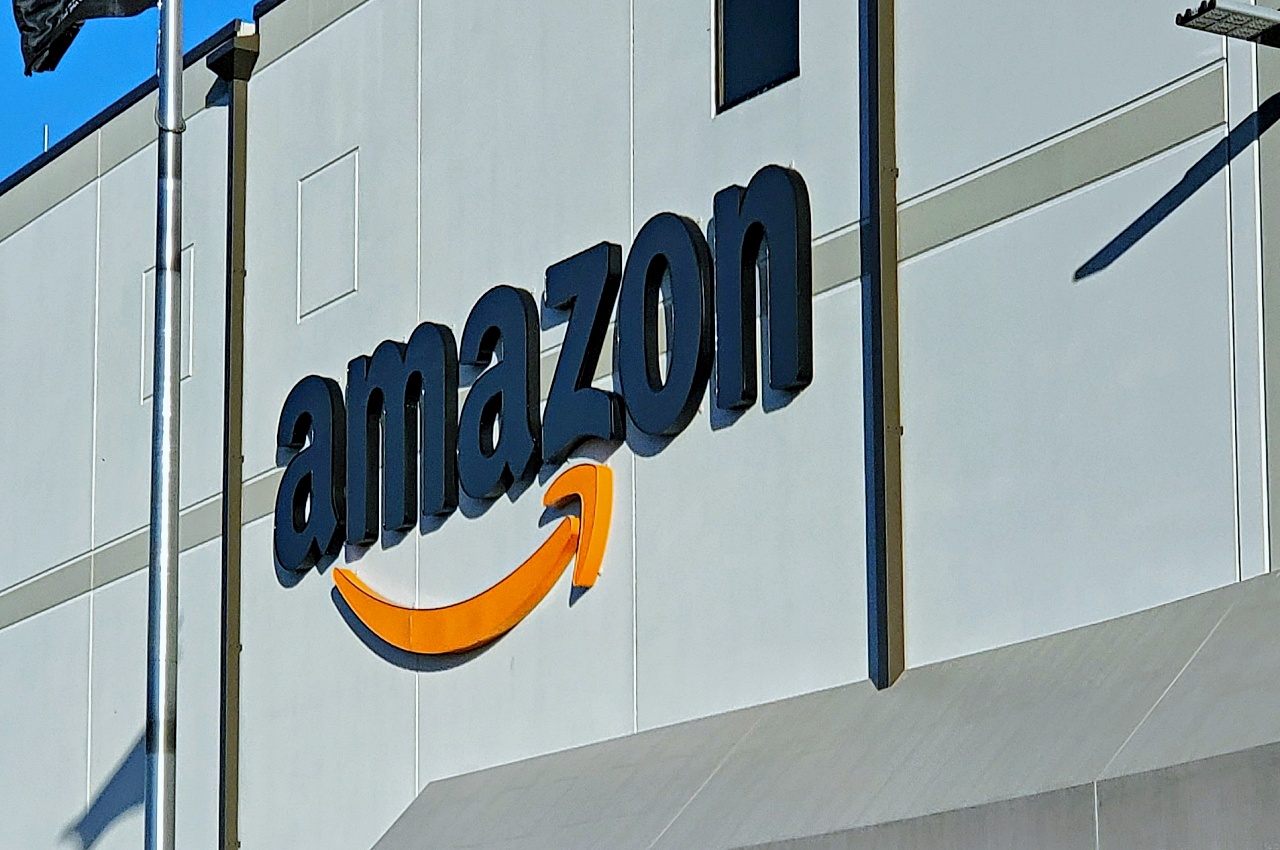
Amazon Inc. plans to axe several of its in-house private labels, streamlining its vast product lineup. Amidst rapid expansion and antitrust concerns, the e-commerce giant's move prioritizes customer favorites like Amazon Basics. The decision may impact dozens of brands, leaving fewer than 20 standing as antitrust probes intensify.
Amazon confirmed to CNBC that it will eliminate some of its private labels. The company explained that its brands have expanded rapidly over the years. So it has been offering various goods such as apparel under its Goodthreads label, furniture by its Rivet brand, Amazon Basics, and Presto! paper towels.
The vice president of Amazon Private Brands, Matt Taddy, said they are looking to reduce the number of their in-house products so some labels are set to be stamped out. They will pick the products that customers do not really patronize, and these will be removed from the lineup.
The online retailer did not say how many private brands it intends to eject. However, it was suggested that dozens may be cut, and fewer than 20 private labels remain.
“We always make decisions based on what our customers want, and we have learned that customers seek out our biggest brands like Amazon Basics and Amazon Essentials for great value with high-quality products at great price points,” Taddy explained.
Meanwhile, the company’s private label unit is also facing antitrust scrutiny after third-party sellers claimed that some Amazon executives unnecessarily accessed merchant data to create their own products. Several brands alleged that the company has been copying and selling their items at lower prices, making it hard for them to compete.
According to Reuters, Amazon is considering its exit from the private brands business as a means of concession if the U.S. Federal Trade Commission (FTC) files an antitrust lawsuit against the company.
Photo by: Yender Gonzalez/Unsplash







