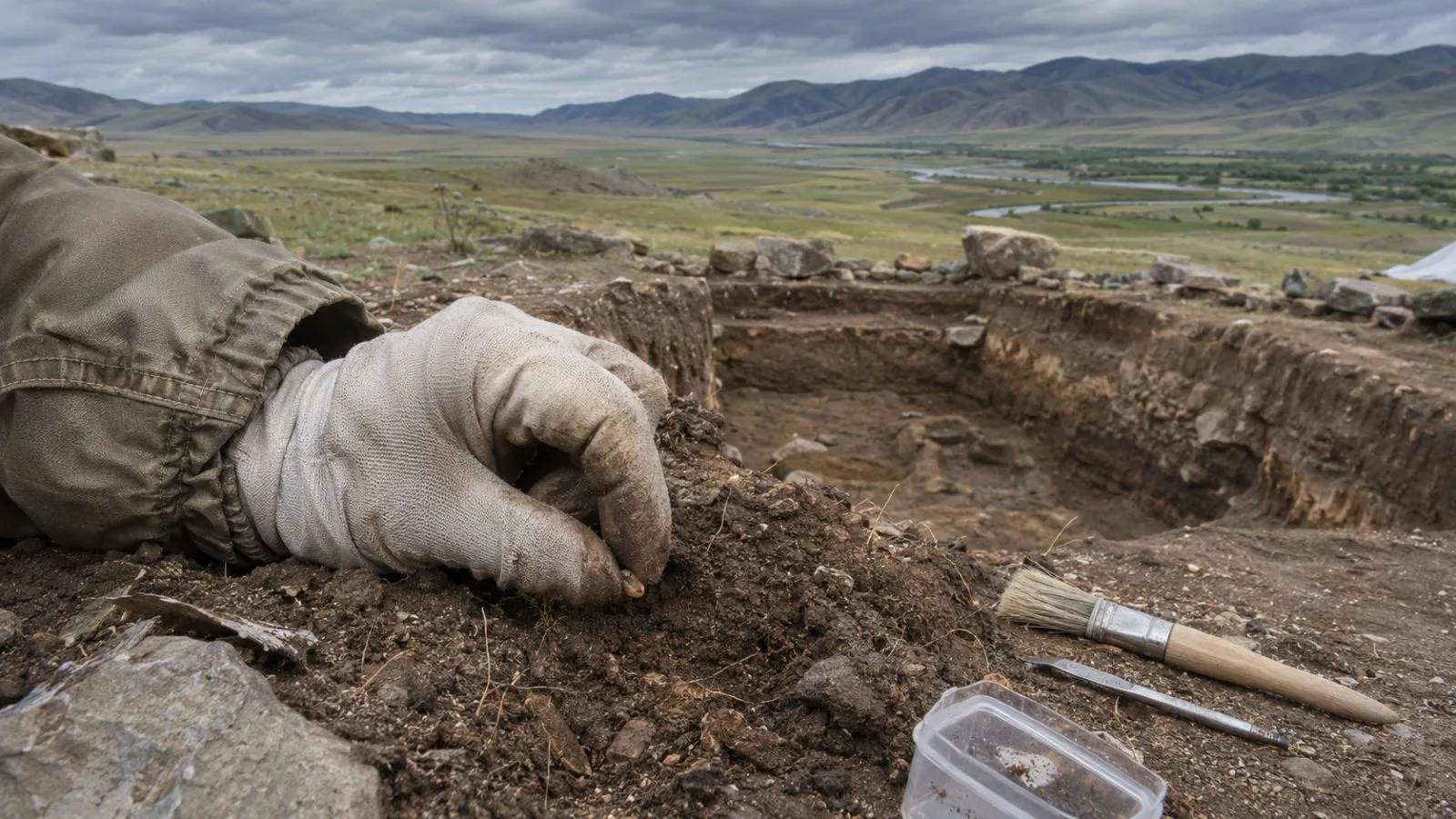
More than 1,000 cannabis seeds and chemical traces in preserved hair from a 2,800-year-old burial in southern Siberia support researchers’ claim that cannabis was used for intoxicating effects, though the route of exposure is unknown.
The study, published Nov. 5 in Science, was led by archaeologist Dr. Gino Caspari of the University of Bern and the Max Planck Institute of Geoanthropology. At Tunnug 1 in Russia’s Republic of Tyva, the team recovered the seeds and directly radiocarbon dated six. Those results, combined with other dating evidence, place the burial in the early eighth century B.C.
Researchers analyzed preserved hair from the burial chamber using high-resolution mass spectrometry and other methods. The samples showed clear signals consistent with cannabinol (CBN) and weaker signals consistent with tetrahydrocannabinol (THC).
Cannabis also supplied oil and fiber, so seeds in a grave do not by themselves show that people used the plant for its intoxicating effects. The team treats the hair findings as additional evidence, but the tests cannot establish a dose or whether the compounds entered the body through inhalation or ingestion.
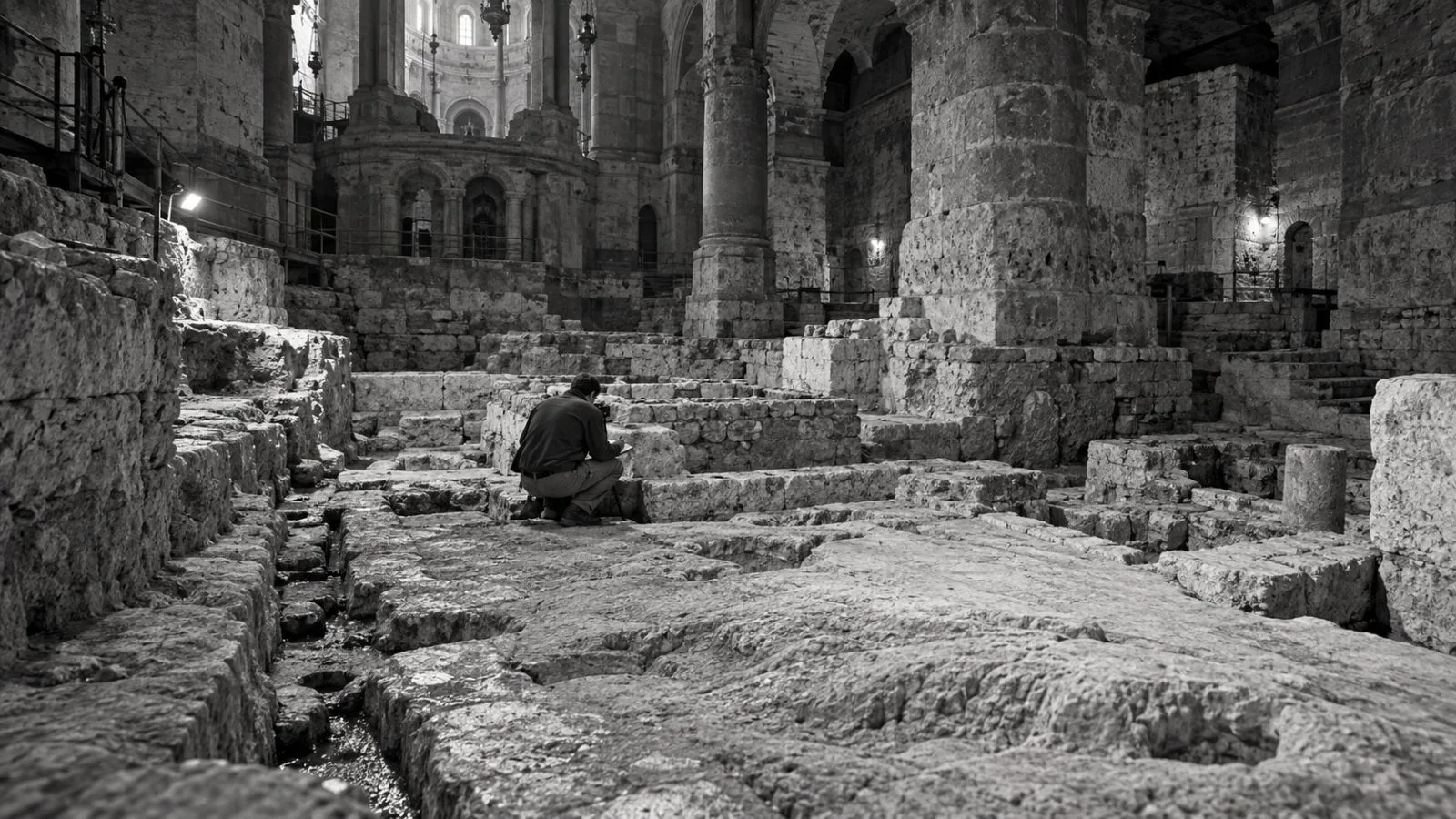
The University of Bern describes the tomb as belonging to high-ranking Scythians, a steppe society known for horse riding. The burial included extensive horse sacrifices and scattered human bones. Researchers say human sacrifice was likely, but the release does not tie cannabis to a particular funerary practice.
The hair evidence has drawn scrutiny. The Associated Press quoted forensic toxicologist Volker Auwaerter describing the analysis as “scientifically weak” and saying contact with cannabis in the tomb could account for traces on the hair. AP also reported that archaeologist Elisa Guerra Doce supported using hair toxicology in archaeological research.
The researchers have started genetic work on selected plant samples, the University of Bern said, to investigate how cannabis was domesticated and spread.