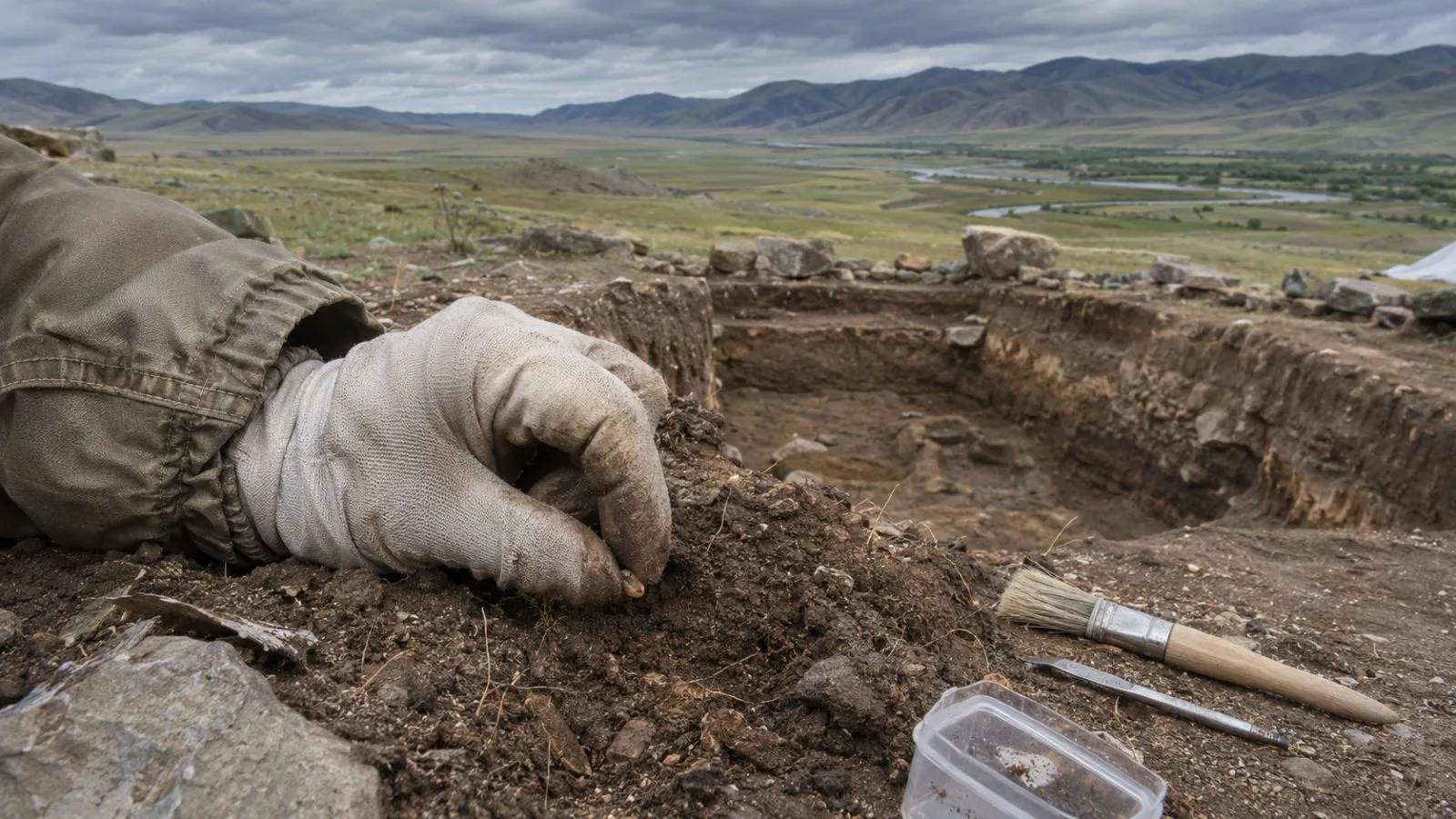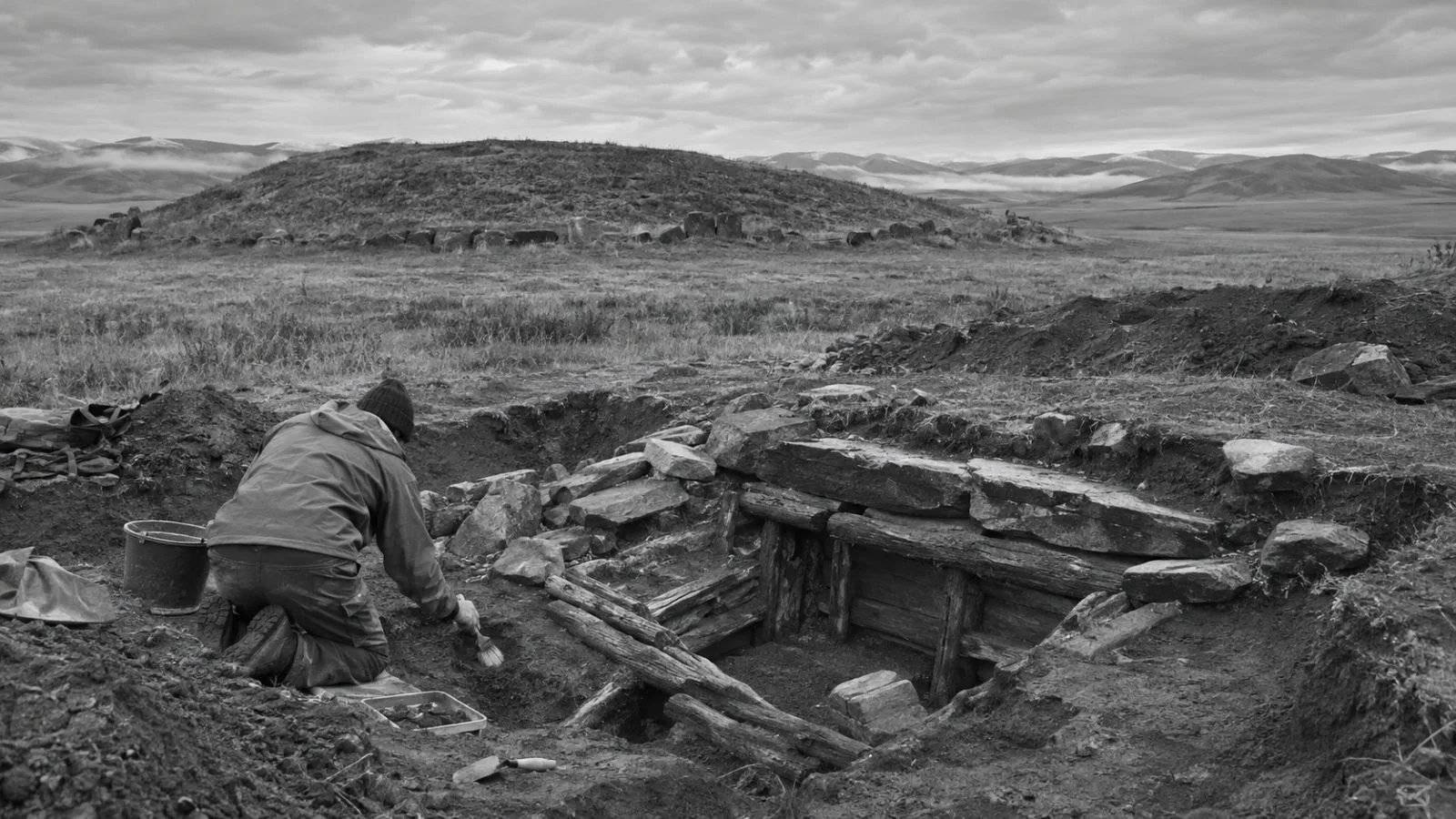
Researchers studying a Scythian tomb in southern Siberia found cannabis seeds and hair traces consistent with the plant, evidence they say points to intoxicating use in the early eighth century B.C.
The study, published Nov. 5 in Science, examined Tunnug 1, a princely tomb in the Republic of Tyva associated with high-ranking members of Scythian society. Researchers directly radiocarbon-dated six cannabis seeds. Dating results place their deposit in the early eighth century B.C., and preserved hair was recovered from the central burial chamber.
Using high-resolution mass spectrometry, the team found clear signals consistent with cannabinol (CBN) in several hair samples. Other, weaker signals had a mass consistent with THC. The researchers interpret the seeds and hair traces found in the same grave as evidence of cannabis use for intoxicating effects.
The University of Bern said the Tunnug 1 find is the earliest archaeological evidence it has identified linking cannabis to intoxicating use in a directly dated context. The university also said the seeds likely came from wild plants, and their presence alone does not establish psychoactive use: cannabis has also provided oil and fiber.
The evidence cannot establish how much cannabis people used or whether they inhaled or ingested it. The Associated Press reported that Volker Auwaerter, head of forensic toxicology at University Medical Center in Freiburg, Germany, questioned whether the hair analysis could distinguish consumption from contact with cannabis after burial. “For a central part of the study, the article falls far short of what would have been possible,” he said.
A 2019 study reported chemical evidence of cannabis burning during mortuary ceremonies at Jirzankal Cemetery in the eastern Pamirs, dating to about 500 B.C. The Bern team says the Tunnug 1 evidence extends the directly dated record by roughly 300 years. EconoTimes has previously covered the Tunnug 1 cannabis findings.
Researchers have begun sequencing DNA from some of the plant samples to investigate cannabis domestication and spread.