


 Solidigm Taps Goldman, Morgan Stanley for $10 Billion US IPO
  TSMC Profit Set to Surge 65% as AI Chip Demand Drives Record Earnings
  Apple Names Steve Smith M&A Chief in Leadership Shakeup
  Why a ‘rip-off’ degree might be worth the money after all – research study
  Meta Launches Muse Wonder AI Models, Shares Rise 3.7%
  Apple Supplier Luxshare Faces US Patent Probe, Sees Limited Impact
  Elon Musk Eyes Semiconductor Manufacturing Expansion With $15 Billion Terrafab Project
  How to support someone who is grieving: five research-backed strategies
  Visa Wins China Approval to Prepare Domestic Payments Expansion
  Amazon in Talks to Acquire AI Startup Decart for $7 Billion
  Trump Buys Up to $25M in Meta Stock, Invests in SpaceX Debt
  Moonshot AI Executives Seek Settlement Ahead of Hong Kong IPO
  Elon Musk Donates $366 Million to 2026 US Midterms
  Debate over H-1B visas shines spotlight on US tech worker shortages


 Add as a preferred source on Google
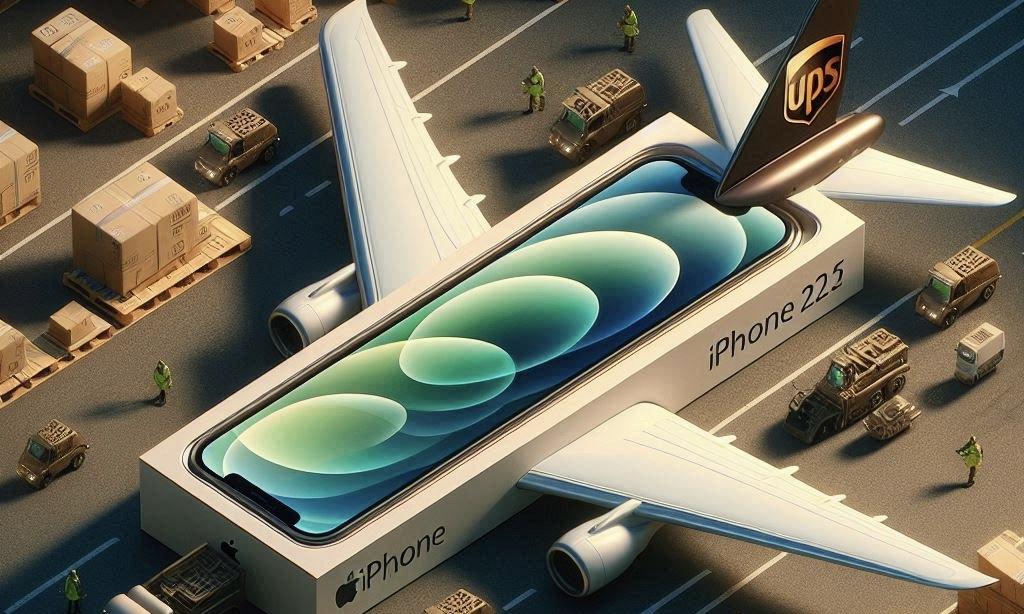
Apple is executing a massive logistical operation ahead of the iPhone 16 launch, with UPS flights transporting 2.1 million units worth approximately $2.3 billion to the U.S. Despite concerns over lower demand, Apple’s shipping efforts remain a vital part of its product rollout.
Despite Lower Demand Projections, Apple Ships 2.1 Million iPhone 16 Units to the U.S.
The media has recently concentrated on reports of a lower-than-anticipated demand for Apple's disclosed iPhone 16 lineup. Despite these early speculations, Apple's annual product launch continues to be a highly coordinated logistical feat. In anticipation of the formal release of Apple's most recent flagship series on September 20, FlightAware has implemented a specialized page to monitor UPS flights transporting millions of iPhones to the United States.
For instance, a 747-8F cargo aircraft can transport up to 300,000 iPhone units. Online trackers recently observed seven UPS flights traveling to the continental U.S., passing over Alaska. These aircraft collectively transported approximately 2.1 million iPhones; a staggering business operation valued at roughly $2.3 billion based on an average selling price (ASP) of $1,095 per unit.
Nevertheless, preliminary indications indicate that the AI-driven upgrade cycle Apple hoped would drive iPhone 16 sales may be occurring differently than expected. Ming-Chi Kuo, an analyst at TF Securities, recently emphasized a 12 percent decrease in first-weekend sales for the iPhone 16 compared to the iPhone 15 launch.
iPhone 16 Pro Demand Declines in China, Raising Concerns Over Apple's Profit Margins
Furthermore, softer demand, notably for the Pro models, has been a concern for analysts at Barclays, JPMorgan, and Bank of America (BofA). Barclays observed that pre-order units in China were lower year-over-year, with a lower proportion of Pro models, as indicated by discussions with distributors and an analysis of e-commerce data.
The delayed distribution of Apple Intelligence features in Mandarin, which is now scheduled to be introduced in 2025, has also impacted the sales of the iPhone 16 in China, per Wccftech.
If the current trend of reduced demand for the iPhone 16 Pro models persists, it could pose a significant and urgent threat to Apple's profit margins. As a result, analysts are expected to closely monitor this crucial metric in the company's upcoming quarterly earnings reports.







