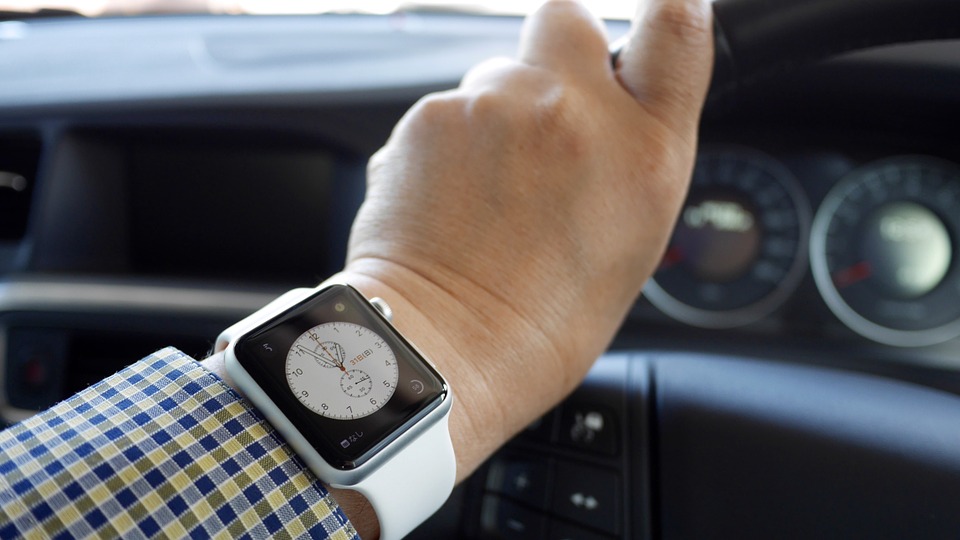
The Apple Watch is currently the world’s leading wearable device alongside Fitbit and it would seem that both can be used to detect hypertension and sleep apnea. This is according to a recent study that involved monitoring 6,000 individuals and feeding the data to an artificial intelligence, which could then estimate a person’s risk of developing either disease.
With the rise of fast food consumption and a sedentary lifestyle, more people are now at risk of developing hypertension and sleep apnea than ever before. In a study conducted through a collaborative effort between University of California San Francisco and Cardiogram, a startup company, this might be addressed by wearing a smartwatch, WIRED reports.
The researchers presented their findings to the American Heart Association on Monday, indicating that the heart-rate sensor and step counter on the Apple Watch can be used to mine data about a person’s health. Then, when paired with the right AI, the data can allow for the accurate prediction of a subject’s likelihood to develop high blood pressure or sleep apnea.
Both of these conditions are incredibly common in the U.S. and also often go undiagnosed, with subjects simply ignoring the symptoms. This has contributed to the rise in heart attacks and strokes.
This particular development is important because it makes the concept of preventive medicine via smart devices more believable. After all, doctors can’t be expected to analyze a person’s Apple Watch data to conclude if they are going to have high blood pressure or not, but an AI can.
This study is also intended to spur the development of smart devices to serve the needs of patients in the medical industry, ZDNet reports, which could mean huge business for the companies involved. The growth of devices like the Apple Watch and Fitbit is already driven by health concerns by a significant amount. A smartwatch that can warn users of impending heart attacks would certainly be a huge business opportunity.