


 Canton Network Expands in South Korea With Major Partnerships
  Nvidia’s China AI Chip Market Share Falls to 34% as Huawei Gains Ground
  TSMC Profit Set to Surge 65% as AI Chip Demand Drives Record Earnings
  Arthur Hayes Announces FLOP Testnet Launch Within Weeks
  OpenAI Annualized Revenue Hits $50 Billion, Below Earlier Estimates
  Epic Games Delays Disney Shooter, Shifts to AI-First Development
  Moonshot AI Executives Seek Settlement Ahead of Hong Kong IPO
  Amazon in Talks to Acquire AI Startup Decart for $7 Billion
  Syndax Stock Drops 15% After Axatilimab Trial Failure
  Most Americans Oppose Election Betting on Prediction Markets, Poll Finds
  Yandex Data Center Hit by Drone Strike as Russia-Ukraine Cyber Infrastructure Attacks Escalate
  Albertsons Seeks $9.3 Billion From Kroger Over Failed Merger
  Airbus Tests Valkyrie Combat Drone in Europe for Eurofighter Integration
  Samsung, SK Hynix Shares Plunge as China Chip Competition Grows
  Trump Buys Up to $25M in Meta Stock, Invests in SpaceX Debt


 Add as a preferred source on Google
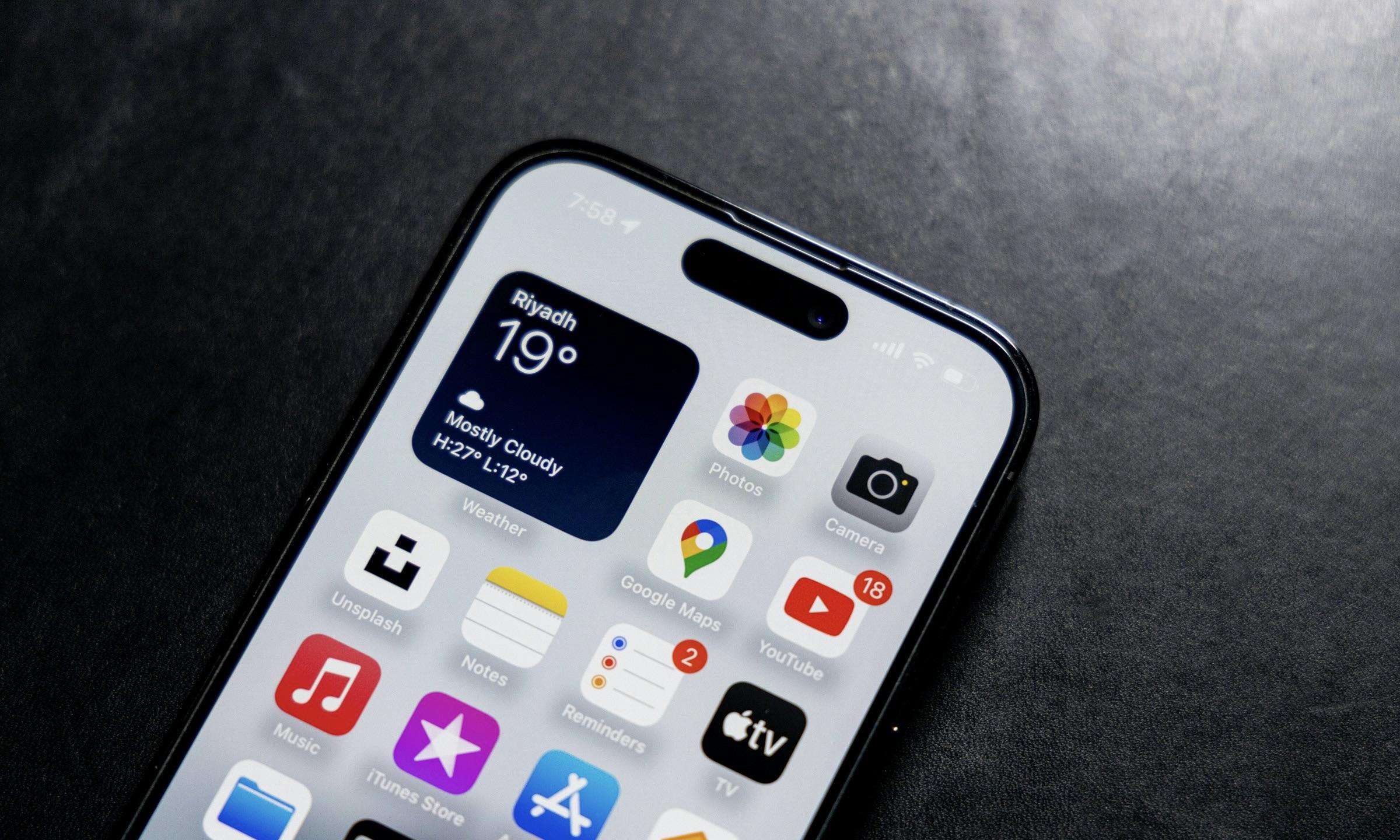
A groundbreaking Apple patent reveals a futuristic method to unlock devices using your unique heartbeat, setting a new standard for security and convenience.
ECG Tracks Unique Heartbeat
In the future, Apple plans to make it so that your Apple Watch or future iPhone may detect your unique heartbeat and unlock your smartphone with the simple wave of a finger.
Through its electrocardiogram (ECG) app, the Apple Watch is able to track each individual's heartbeat. Apple details a method for user identification using their unique heart rate and other physiological parameters in a patent that was just issued.
Heart Patterns Boost Security
By utilizing this technology, all of your devices can be unlocked just by continuing to wear your Apple Watch. You may speed up the identification process and boost security by using your heart patterns as a verification rather than a password or fingerprint scan.
Take Apple Watches as an example; at the moment, you can't use them to unlock Macs without first entering a passcode. You might bypass the need to input a password or passcode by simply strapping your Apple Watch to your chest and collecting an electrocardiogram reading. You can use your watch as an authentication token to gain access to other devices as long as you keep it on your wrist.
AppleInsider elaborates that two points of contact are required for an electrocardiogram (ECG) readout. The Apple device's digital crown and rear of the device house its sensors. A digital crown touch initiates a circuit that permits the measurement of the heart when the ECG app is launched.
Heart-Measuring Gadget in iPhone
By just holding the iPhone properly, it would be able to authenticate using heart rate, according to Apple's patent. A heart-measuring gadget would be built into the entire iPhone casing.
The patent goes on to mention that electrocardiogram data can be used to determine the user's "mood." Using heart rate data collected while exercising as an example, Apple suggests listening to music at the perfect tempo to complement the exercise.
For instance, during a user's workout, the app may stream a faster-paced song, and during their cooldown, it could automatically play a slower-paced song.
All four of these people—Andrew B. Hodge, Gloria Lin, and Taido L. Makajima—were named in the patent. One of Lin's many patents is for user identification using data other than biometrics.







