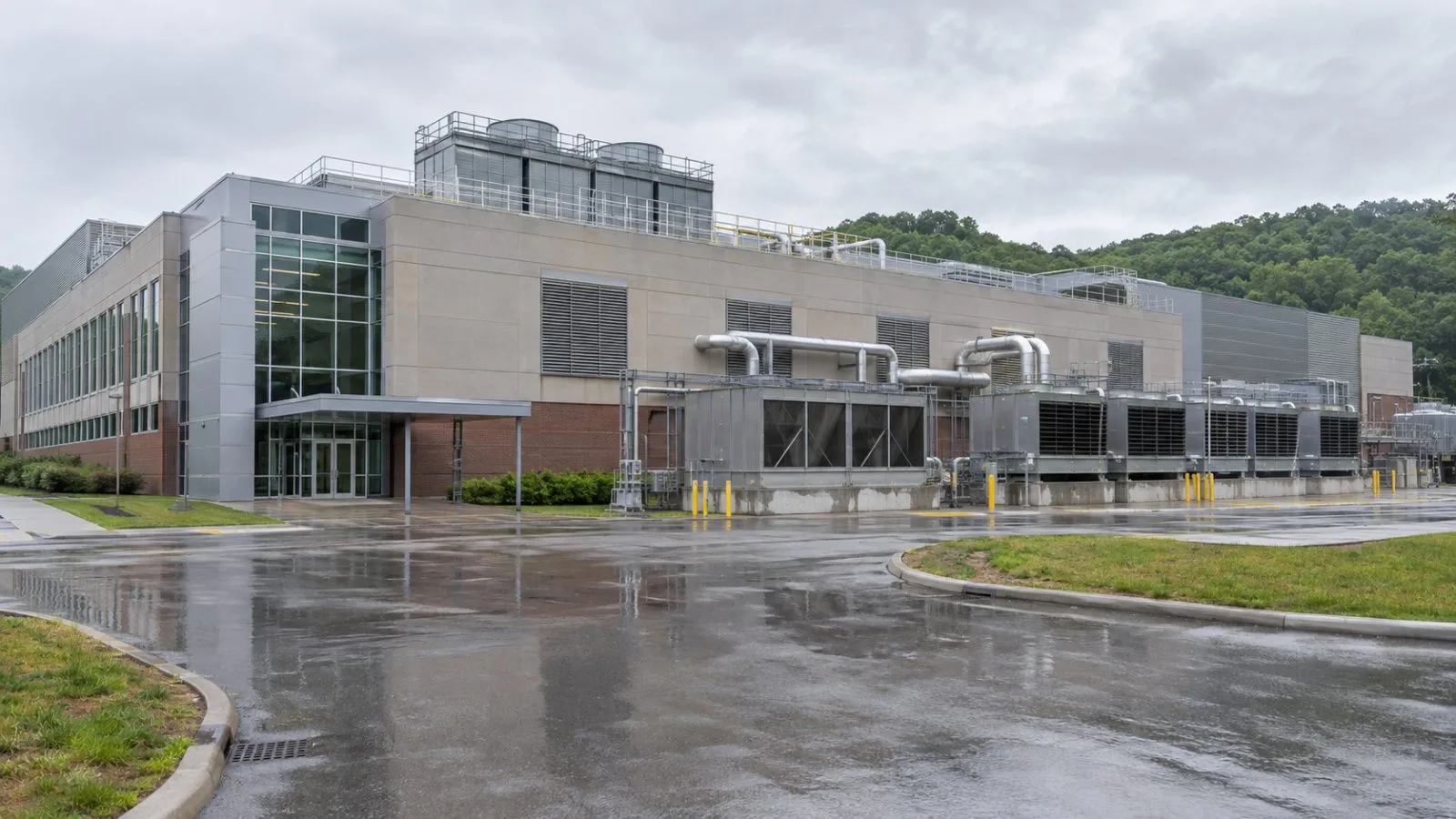
Arena Physica said Nov. 12 it plans to train its next electromagnetic field prediction model with AMD on Oak Ridge National Laboratory’s Lux supercomputer to broaden design applications for semiconductor and communications work.
Arena said the planned model is intended to estimate radiation beyond a structure’s near field and accommodate more shapes and signal frequencies. The company also wants it to work across individual components and complete systems. It lists antenna development for 5G, 6G and satellite communications, automotive radio-frequency sensing, and semiconductor packaging and signal integrity as potential uses.
Arena released Heaviside-1 on Sept. 1. The company’s paper says the model has 350 million parameters and was trained on 250,000 three-dimensional field simulations that generated 500 billion samples. Heaviside-1 takes 3D geometry, material properties and excitation patterns as inputs, then predicts electromagnetic fields.
In Arena’s EMVal-NF benchmark, near-field prediction errors were about 19% globally and 22% on the median local measure for geometry families represented during training. For families left out of training, Arena reports errors of about 33% and 28%, respectively. The company says its evaluation covers a limited selection of geometries, board sizes, frequencies, materials and field probe distances.
Arena’s paper says full-wave electromagnetic solvers calculate solutions to Maxwell’s equations for modeled structures, and a simulation can take hours or sometimes days. The company presents Heaviside as a way to speed design iteration.
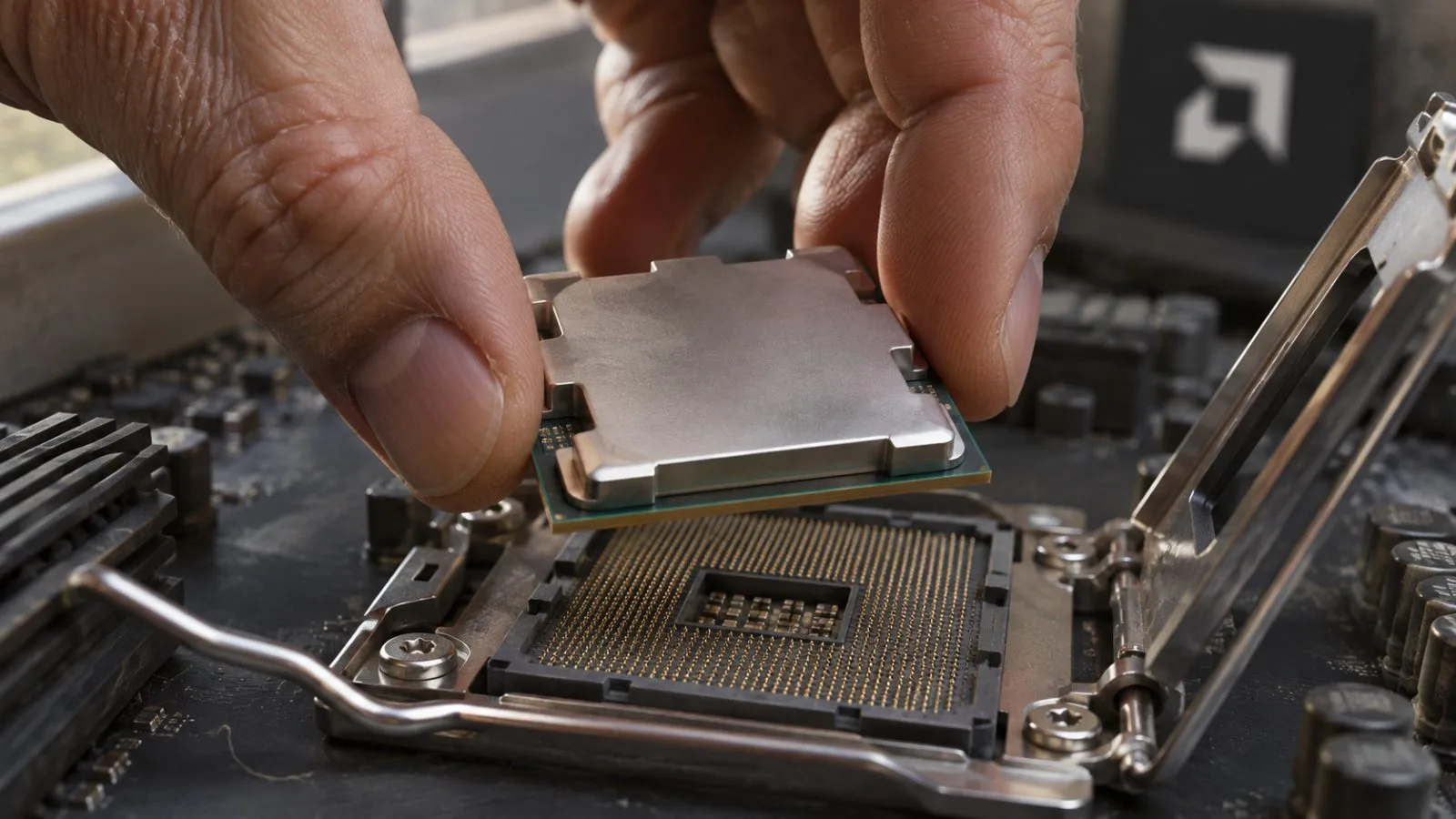
Oak Ridge National Laboratory’s user guide lists Lux as a 504-node system with 4,032 AMD Instinct MI355X GPUs, each with 288 gigabytes of high-bandwidth memory. The lab says half of Lux’s annual 3.5 million node-hours are allocated to the Genesis Mission; the rest are available for paid proprietary use. Arena has not said when its Lux work will begin, which access arrangement it will use, or how much computing time or money the project will require.
Arena said it expects to share results as the work advances but gave no date for an update or a Heaviside release.