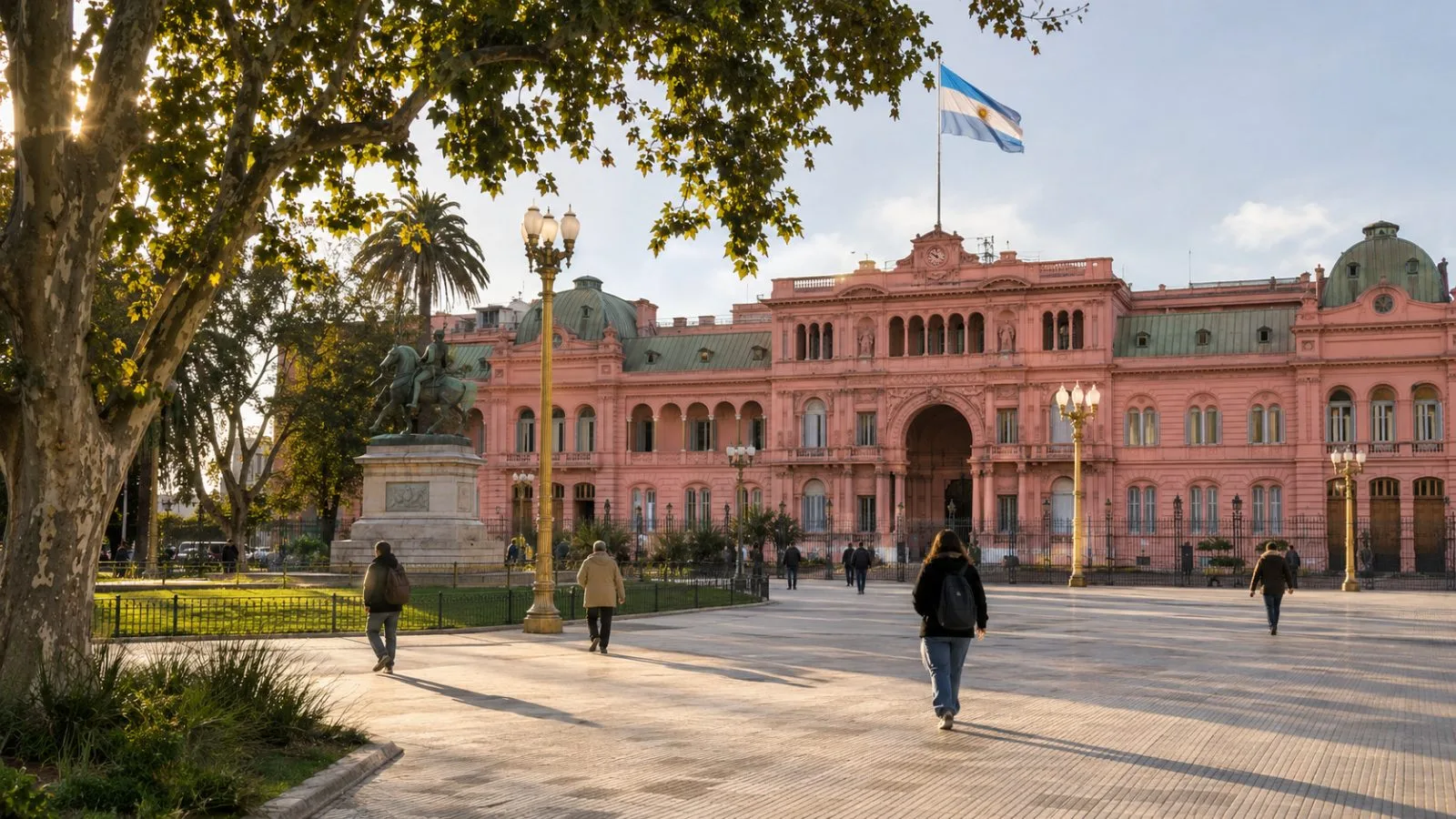
Argentina's October inflation exceeded forecasts even as core prices cooled to their lowest since July 2025, while bond investors demanded a higher premium amid concern over President Javier Milei's 2027 re-election prospects.
Government figures released Thursday put the monthly increase at 2.2%, compared with a 1.9% median forecast in Bloomberg's analyst survey. The 12-month rate eased to 33.1% from 33.4% in September. Core inflation registered 1.5%, its lowest reading since July 2025.
Among expenditure groups, housing and utilities posted the largest rise, at 4.2%; higher natural gas prices contributed to the increase. Recreation and culture recorded the next-largest rise.
When Milei took office three years ago, annual inflation was above 100%. His government has made disinflation a priority and used the currency to restrain prices. Economists have warned Bloomberg that this approach is constraining credit and economic activity. The government says lower inflation and growth goals are compatible.
Argentina's economy contracted in the second quarter. In a survey last month, economists polled by the country's central bank anticipated another decline in the third quarter, which would put Argentina in a technical recession if it occurred. They forecast 0.7% growth for 2026, down from 3.2% in their forecast at the start of the year. Bloomberg reported that the sectors behind the expansion employ comparatively few people, while overall growth has lagged economists' expectations.
The yield gap on Argentine debt now stands at more than twice its July low, Bloomberg reported, amid concern about Milei's re-election prospects. EconoTimes reported last week that Argentina's 2035 bond yield reached 13.77%.
At Thursday's press conference, International Monetary Fund spokeswoman Julie Kozack urged restraint in drawing conclusions from near-term market activity.