Asia-Pacific banks are increasing loan loss provisions as the ongoing Iran conflict threatens regional economic stability and drives uncertainty across global energy markets. Financial institutions in Australia, Singapore, and India are preparing for potential credit losses linked to rising oil prices, supply chain disruptions, and weakening corporate finances.
Major lenders including HSBC, Standard Chartered, Commonwealth Bank of Australia, OCBC, and HDFC Bank have collectively set aside billions in precautionary reserves during recent quarterly earnings reports. Analysts say these provisions reflect growing concerns that prolonged geopolitical tensions could weaken borrowers’ repayment ability and reduce overall credit demand.
According to economists, elevated oil prices remain one of the biggest risks for Asia-Pacific economies heavily dependent on Middle Eastern energy supplies. Persistently high fuel costs may keep interest rates elevated, slowing business growth and placing additional stress on consumers and companies already dealing with inflationary pressures.
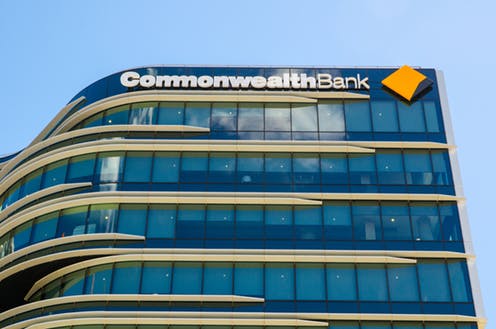
Australian banks have been among the hardest hit by investor concerns. Commonwealth Bank alone reportedly lost billions in market value after announcing higher reserves tied to war-related economic risks. Other major Australian lenders also increased provisioning significantly in anticipation of possible future bad debts.
Singapore’s banking sector remains relatively insulated due to limited direct exposure to the Middle East. However, financial institutions such as OCBC and United Overseas Bank warned that indirect impacts, especially higher operating costs for small and medium-sized businesses, could still affect loan performance.
Experts note that current provisions remain lower than those recorded during the COVID-19 pandemic, but caution that the situation could worsen if the conflict continues. Analysts believe banks may need to raise reserves further should oil prices remain elevated or if credit markets weaken in the coming months.
While no major wave of defaults has emerged yet, banking analysts expect the next few quarters to reveal the broader economic consequences of the conflict across the Asia-Pacific financial sector.