Asian currencies traded mostly higher on Tuesday as the U.S. dollar retreated from a two-month high, with investors closely monitoring the fragile ceasefire between Israel and Iran and preparing for crucial U.S. inflation data that could influence the Federal Reserve’s monetary policy outlook.
The U.S. Dollar Index (DXY) slipped 0.1% to 99.96 after reaching a recent peak of 100.21 in the previous session. Improved market sentiment supported regional currencies following a pause in hostilities between Israel and Iran, achieved through diplomatic efforts led by U.S. President Donald Trump. Despite the temporary calm, traders remained cautious due to ongoing geopolitical uncertainties and concerns surrounding the Strait of Hormuz, one of the world’s most important energy shipping routes.
Among Asian currencies, the South Korean won posted the strongest gains, with the USD/KRW pair falling 0.5%. The Indian rupee also strengthened, pushing the USD/INR pair down 0.4%. Support for the rupee came after the Reserve Bank of India introduced several measures during its June 5, 2026 monetary policy meeting aimed at boosting currency stability and attracting foreign capital.
According to ING analysts, the RBI’s initiatives could generate approximately $40 billion in capital inflows, helping offset risks from elevated U.S. Treasury yields and lingering uncertainty related to the Middle East conflict. These measures are expected to provide near-term support for the Indian rupee despite challenging global conditions.
Elsewhere, the Singapore dollar and Australian dollar traded largely unchanged, while the Japanese yen remained stable with USD/JPY holding above the 160 level, a range that previously triggered official intervention by Japanese authorities.
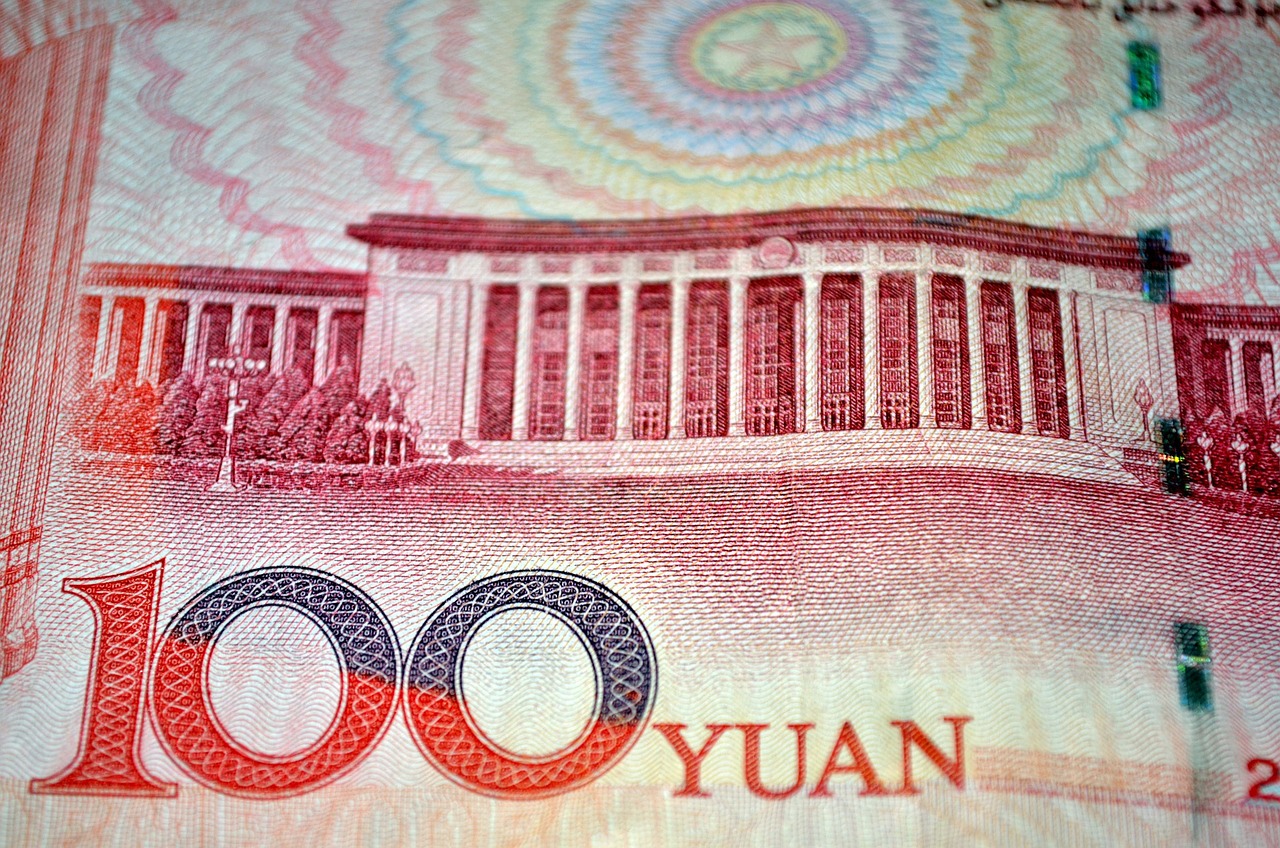
The Chinese yuan edged higher after new data revealed that China’s exports surged 19.4% year-over-year in May, significantly exceeding expectations. Imports also jumped 27.4%, driven by strong demand for semiconductors, commodities, and artificial intelligence-related products. China’s trade surplus widened to $105.4 billion from $84.8 billion in April, highlighting continued resilience in the world’s second-largest economy.
Meanwhile, elevated U.S. Treasury yields continued to support the broader dollar outlook after strong U.S. employment figures reinforced expectations that the Federal Reserve may keep interest rates higher for longer. Financial markets are currently pricing in roughly a 70% probability of a Fed rate hike by December 2026.
Investor attention is now focused on upcoming U.S. Consumer Price Index (CPI) data. A stronger-than-expected inflation reading could strengthen expectations for prolonged restrictive monetary policy and potentially provide fresh support for the U.S. dollar against major Asian currencies.