


 UK Housebuilder Stocks Surge on New First-Time Buyer Loan Scheme
  Oil Prices Jump Nearly 3% as Iran Holds Firm on Hormuz Conditions
  Gold Prices Slip as High Treasury Yields Weigh on Bullion
  Asian Stocks Fall as Bond Yields and Oil Prices Surge
  US Stocks Slip as Treasury Yields Ease, AI Trade Rebounds
  South Korea Exports Set for 16th Monthly Gain on AI Chip Demand
  Asian Currencies Weaken as Dollar, Oil Prices Rise
  China Cuts Tariffs on U.S. Farm Goods but Excludes Soybeans
  BlackRock’s Rick Rieder Favors Bonds Over Stocks as Treasury Yields Surge
  Asian Stocks Fall as Oil Surge, Bond Yields and AI Concerns Hit Markets
  US Alcohol Ban Exposes Canada’s Internal Trade Barriers
  Asian Currencies Mixed as Yen Weakens, RBA Hike Looms
  US Dollar Hits Two-Month High as Aussie, Pound Slide
  Dollar Eases Near Two-Month High as Yen Rebounds
  Japan Factory Output Unexpectedly Falls 1.7% in August
  Gold Rebounds as Oil Falls and Treasury Rout Eases


 Add as a preferred source on Google
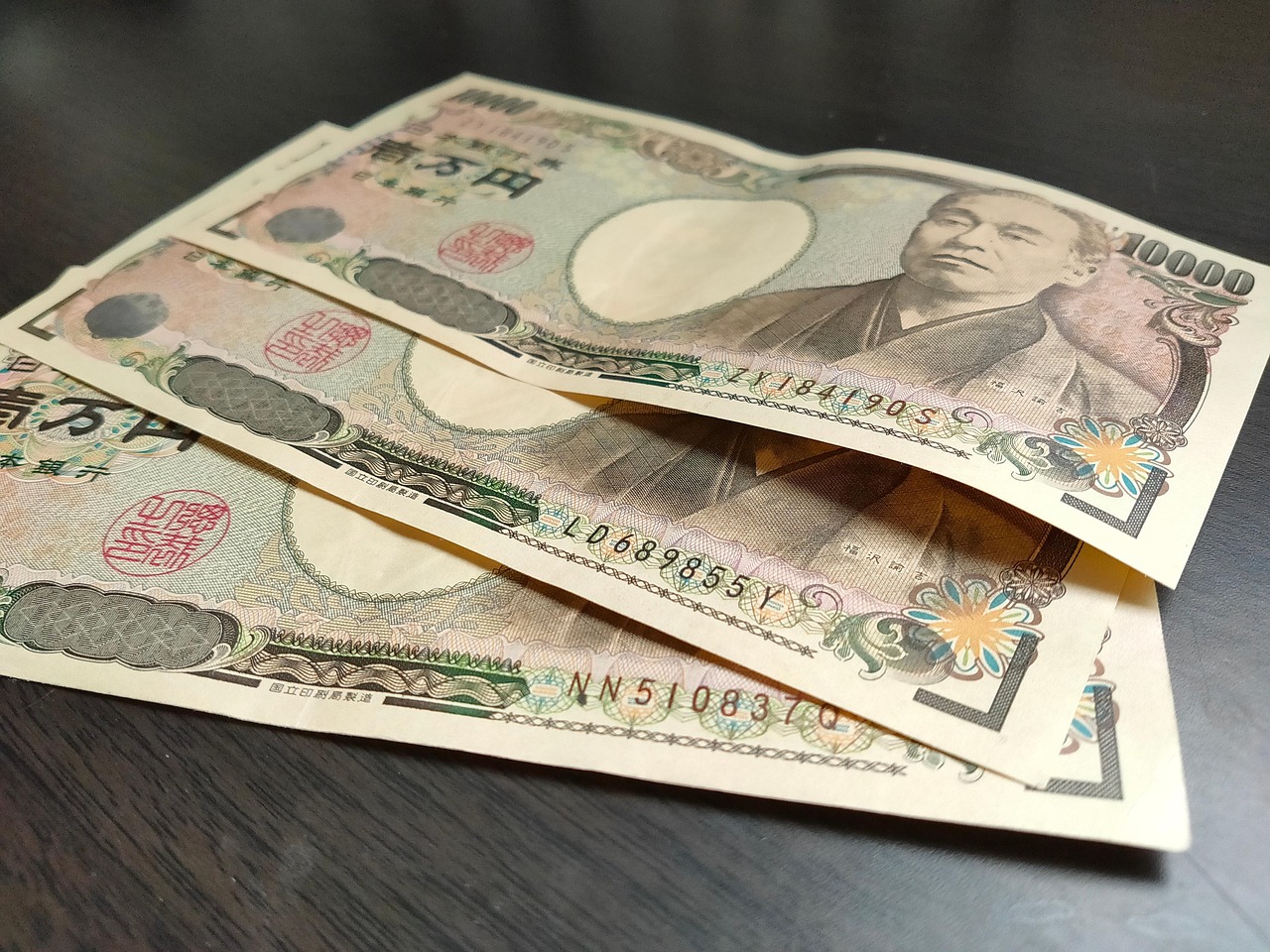
U.S. efforts to strengthen the Japanese yen may offer only temporary relief as Japan’s fiscal policies, wide interest-rate gap with the United States, and preference for a weaker currency continue to pressure the yen, according to Yardeni Research.
Washington recently intervened to support the yen for the first time since 2011 after the Japanese currency fell to levels not seen since 1986. U.S. President Donald Trump described the intervention as a “signal of friendship,” while Treasury Secretary Scott Bessent said the yen appeared “very undervalued.”
One major challenge is Japanese Prime Minister Sanae Takaichi’s economic strategy. A weaker yen benefits Japanese exporters by making their products more competitive overseas and can boost corporate earnings. Her government is also pursuing significant fiscal stimulus, including a proposed temporary reduction of Japan’s 8% consumption tax to 1% and a $2.3 trillion investment program funded through additional borrowing.
While yen appreciation could lower the cost of imports and ease inflation, it could also hurt exports and reduce some of the benefits of fiscal stimulus. More aggressive Bank of Japan rate hikes could support the yen, but higher borrowing costs would create additional pressure for Japan’s heavily indebted government.
The U.S.-Japan interest-rate gap presents another obstacle to a sustained yen recovery. The Bank of Japan kept its policy rate below 1% at its latest meeting, while the Federal Reserve indicated further monetary tightening. Japan’s 10-year government bond yield has risen to around 2.8%, a three-decade high, but remains significantly below the roughly 4.7% yield on comparable U.S. Treasury bonds.
That yield advantage continues to support the U.S. dollar and makes yen-funded carry trades attractive to investors, adding pressure on the Japanese currency and USD/JPY.
The structure of the latest currency intervention may also limit its effectiveness. The U.S. Treasury reportedly sold euros, rather than U.S. dollars, to buy yen on July 31. The approach supported the Japanese currency without directly weakening the dollar or suggesting a broader shift in U.S. dollar policy.
Unless Japan changes its fiscal or monetary policies, or Washington begins directly selling dollars, coordinated intervention is unlikely to produce a lasting Japanese yen recovery.







