Asian currencies traded mixed on Monday as the U.S. dollar hovered near recent lows, while the Japanese yen strengthened further on expectations of a Bank of Japan rate hike and potential currency intervention.
The U.S. Dollar Index slipped slightly to 99.10, remaining near its recent low of 98.6. EUR/USD edged up to 1.1615, while GBP/USD gained 0.08% to 1.3527.
Investors are reassessing the Federal Reserve interest rate outlook following Friday’s U.S. employment report. Markets are pricing in about a 57% probability of a Fed rate hike this month, with U.S. consumer inflation data due later this week. Elevated oil prices and renewed Middle East tensions are adding to inflation concerns.
USD/JPY dropped 0.27% to 155.83, putting the yen near its strongest level in more than a month. The Japanese currency surged 2.7% last week, its best weekly performance since July.
Traders increasingly expect the BOJ to raise its benchmark interest rate by 25 basis points on September 18. Intervention risks have also supported the yen after Japan’s top currency diplomat, Atsushi Mimura, said authorities remained alert to foreign-exchange movements.
Japan spent about 15.4 trillion yen, or $98.6 billion, supporting its currency in the month through August 26. Foreign securities holdings fell by a record $87.8 billion at the end of August, partly reflecting intervention activity.
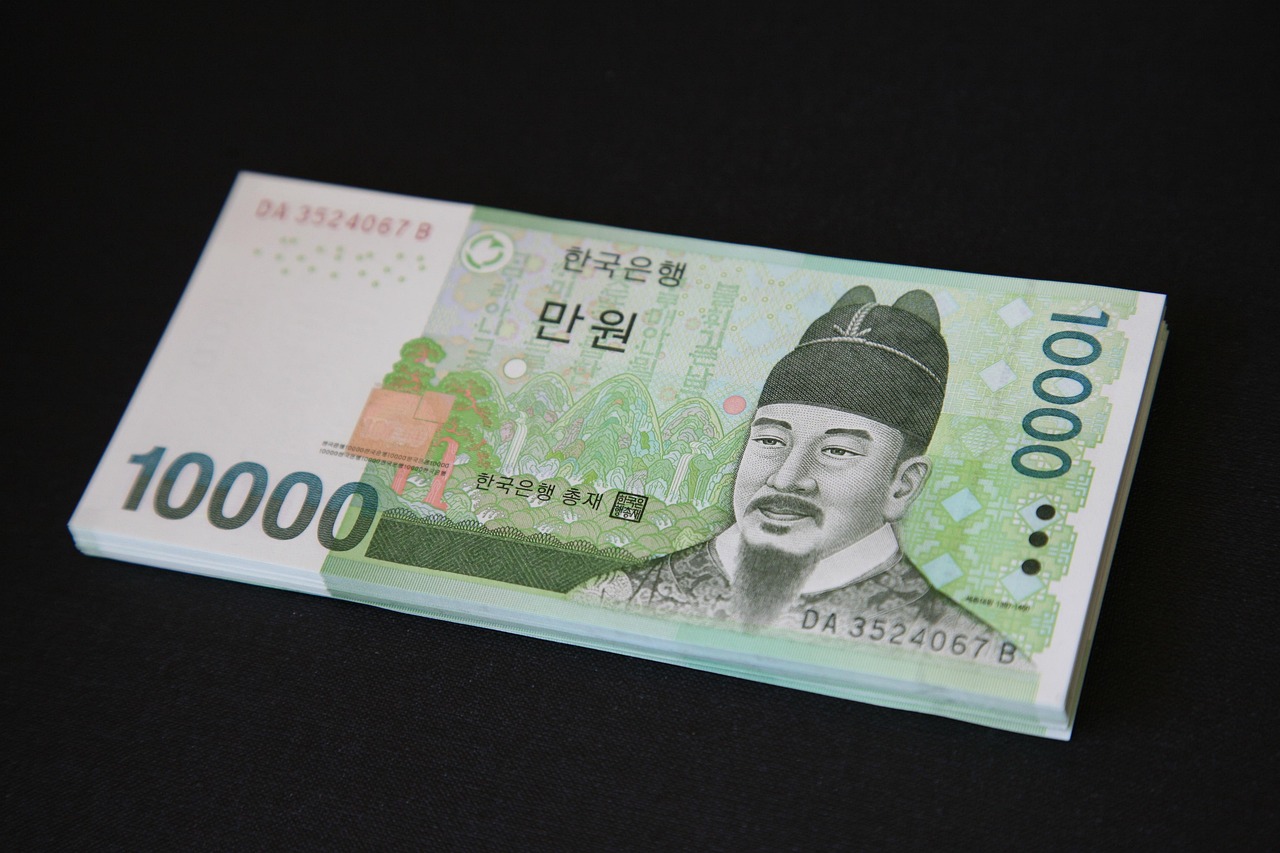
The South Korean won also remained near a two-year high, supported by foreign equity inflows and gains in semiconductor stocks including Samsung Electronics and SK Hynix. Foreign investors purchased more than 800 billion won ($598 million) of KOSPI-listed shares.
Elsewhere, the Chinese yuan was little changed, while the Indian rupee strengthened 0.14%. The Singapore dollar and Malaysian ringgit weakened modestly.
The Philippine peso remained Asia’s major laggard, falling 6.2% in 2026 as higher oil prices increased pressure on the import-dependent economy.
FX markets will now focus on U.S. inflation data, the ECB’s expected rate hike this week and the BOJ’s September 18 policy decision.