Asian currencies and the U.S. dollar traded mostly unchanged on Tuesday as investors monitored developments surrounding a potential U.S.-Iran peace agreement and prepared for a busy week of central bank decisions. Market attention centered on the Bank of Japan (BOJ), which delivered a widely expected interest rate hike, while traders also looked ahead to policy announcements from the Reserve Bank of Australia (RBA) and the U.S. Federal Reserve.
The U.S. Dollar Index (DXY) gained 0.1% during Asian trading after touching a 10-day low in the previous session. Investor sentiment improved after reports of a preliminary agreement between the United States and Iran, a development that contributed to a sharp decline in oil prices and boosted risk appetite across financial markets.
The Bank of Japan raised its short-term policy rate by 25 basis points to 1.0%, marking its highest level since 1995. The move reflects the central bank’s ongoing efforts to manage inflation and gradually normalize monetary policy after years of ultra-loose settings. The decision was approved by a 7-1 vote. Governor Kazuo Ueda did not attend the meeting due to hospital treatment, with Deputy Governor Shinichi Uchida leading proceedings.
Despite the rate increase, the Japanese yen showed little reaction. USD/JPY remained near 160.23, hovering around the key 160-per-dollar level. Investors are now focused on guidance regarding future rate hikes and comments from Deputy Governor Uchida about the BOJ’s policy path.
Across Asia, currency movements remained limited. The Chinese yuan and South Korean won traded largely flat against the U.S. dollar. Meanwhile, the Indian rupee strengthened modestly, with USD/INR falling 0.3%, while the Singapore dollar remained stable.
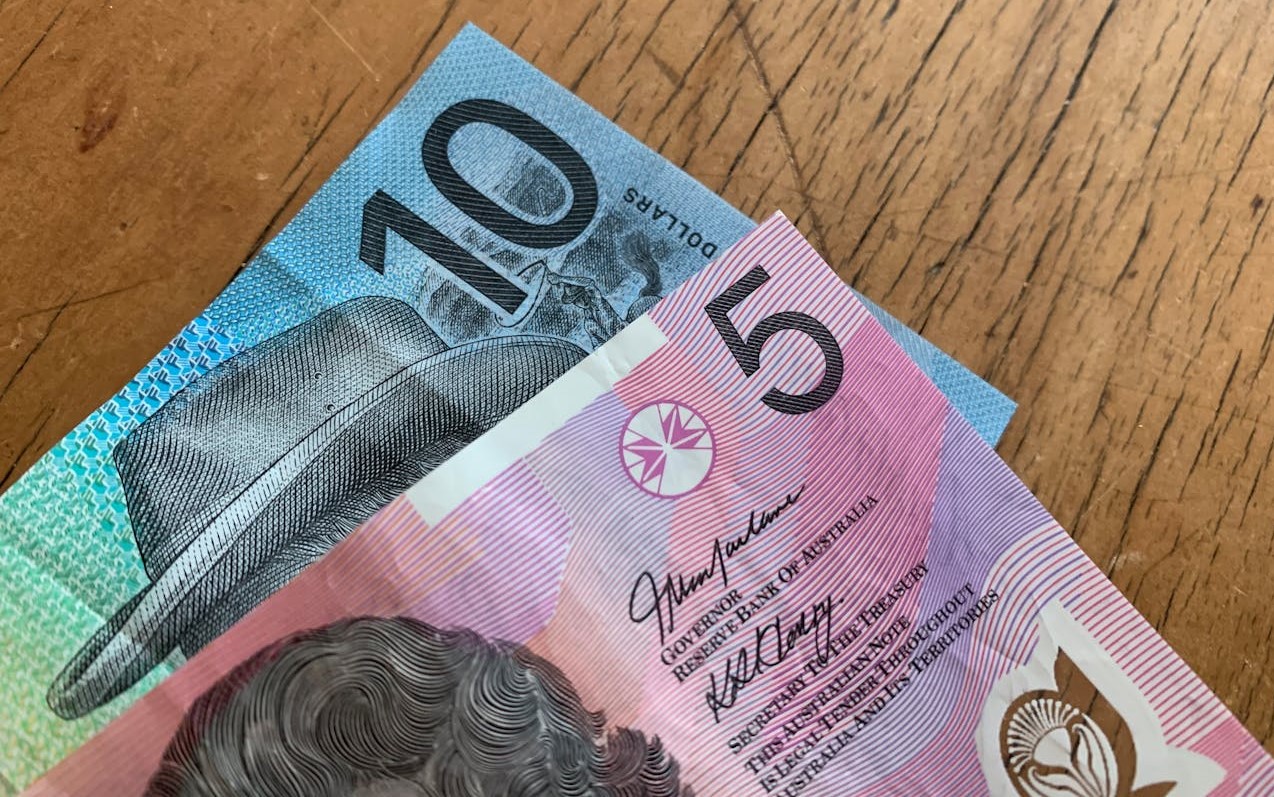
The Australian dollar weakened slightly ahead of the RBA’s policy meeting, where analysts expect interest rates to remain unchanged. Attention is also turning to Wednesday’s Federal Reserve meeting. While the Fed is widely expected to leave rates steady, investors will closely examine economic forecasts and policy guidance for signals on the timing of future interest rate adjustments.
With geopolitical tensions easing but uncertainty still surrounding the implementation of the U.S.-Iran agreement and the reopening of the Strait of Hormuz, global currency markets remain cautious as traders await clearer direction from major central banks.