


 US Stock Futures Rise as Weak Jobs Data Eases Fed Hike Bets
  Wall Street Rises as Oil Prices Ease, Nasdaq Hits Record
  European Stocks Diverge as French Fiscal Crisis Hits CAC 40
  Fed’s Williams Signals One More Rate Hike Before Year-End
  China Shuts 670 Banks as Bitcoin Eyes Financial Risks
  Asian Stocks Rise as Nasdaq Record Offsets Bond Yield Pressure
  Nasdaq Hits Record High as Tech Stocks Lift Wall Street
  Ukraine Faces $56 Billion Budget Gap as War Costs Soar
  Samsung, SK Hynix Shares Fall Ahead of Q3 Earnings
  Fed’s Hammack Says Bond Yield Surge Is Not Driven by Inflation Fears
  BOJ Set for Rate Hike as Inflation and Yen Pressure Mount
  Asian Currencies Steady as Dollar Holds Near 18-Month High
  RBI Rate Hike Bets Surge as Inflation Rises


 Add as a preferred source on Google
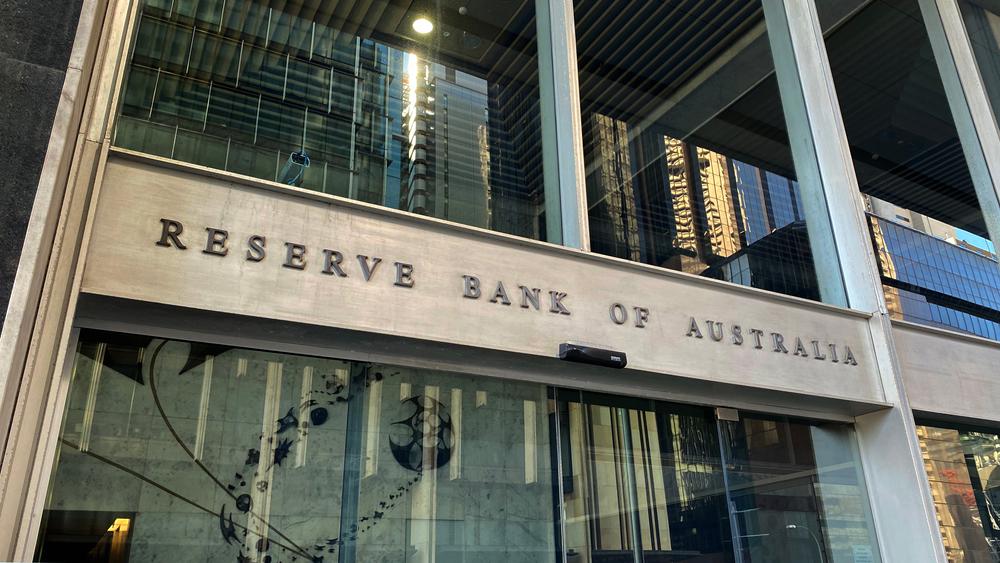
Australia’s inflation remained hotter than expected in July, increasing pressure on the Reserve Bank of Australia (RBA) to consider further interest rate hikes as underlying price growth stayed elevated.
The consumer price index (CPI) rose 3.5% year-on-year in July, easing from 3.8% in June but exceeding market expectations of 3.3%, according to the Australian Bureau of Statistics (ABS). On a monthly basis, Australian CPI climbed 1%, above forecasts for a 0.8% increase.
Underlying inflation also remained stubborn. The trimmed mean CPI increased 3.6% from a year earlier, unchanged from June and slightly above the 3.5% forecast. Month-on-month, the measure advanced 0.5%, compared with expectations of 0.3%.
The stronger-than-expected Australia inflation data prompted traders to raise bets on another RBA rate hike. Rate futures showed the probability of a September increase rising to 27% from 17%, while markets priced in an 80% chance of a hike by February 2027. The RBA’s next monetary policy meeting is scheduled for September 28-29.
Fuel costs were a major contributor to July inflation, with automotive fuel prices jumping 7.5% after declining for three consecutive months. The ABS linked the increase to higher global oil prices and the partial reversal of federal fuel-excise relief.
The inflation report followed RBA minutes showing policymakers considered a 25-basis-point rate increase at their August meeting before unanimously keeping the cash rate unchanged at 4.35%. The central bank has held rates steady for two consecutive meetings after delivering three hikes this year.
With trimmed mean inflation at 3.6%, underlying price pressures remain above the RBA’s previous forecast of 3.3% by the end of 2026, potentially strengthening the case for additional monetary tightening.
The Australian dollar responded positively, with AUD/USD gaining around 0.2% to trade near early-June levels. The S&P/ASX 200 also rose about 0.2%, reaching its highest level in two weeks.







