BAE Systems and the U.S. Department of War signed a framework Oct. 19 for up to seven years of Advanced Precision Kill Weapon System (APKWS) guidance kit purchases, creating a possible path to higher production.
The framework covers U.S. orders of up to 25,000 kits annually, subject to congressional authorization and appropriations. That figure is a proposed annual purchasing limit, not a stated current production rate.
The department said total output could eventually reach 35,000 kits a year if allied governments submit Foreign Military Sales Letters of Request. Those requests are the stated condition for expanding capacity beyond the level contemplated for U.S. purchases.
BAE plans to raise output as negotiations on a multiyear contract continue. Neither the department’s release nor BAE’s states a contract value or gives a timetable for reaching the proposed production levels.
The department expects sustained orders to give BAE time to secure parts with lengthy delivery times and hire skilled workers. It said allied demand could also support new production lines in the United States. Under Secretary of War for Acquisition and Sustainment Michael P. Duffey said longer commitments would help build interceptor stocks and argued that they would favor taxpayers on cost.
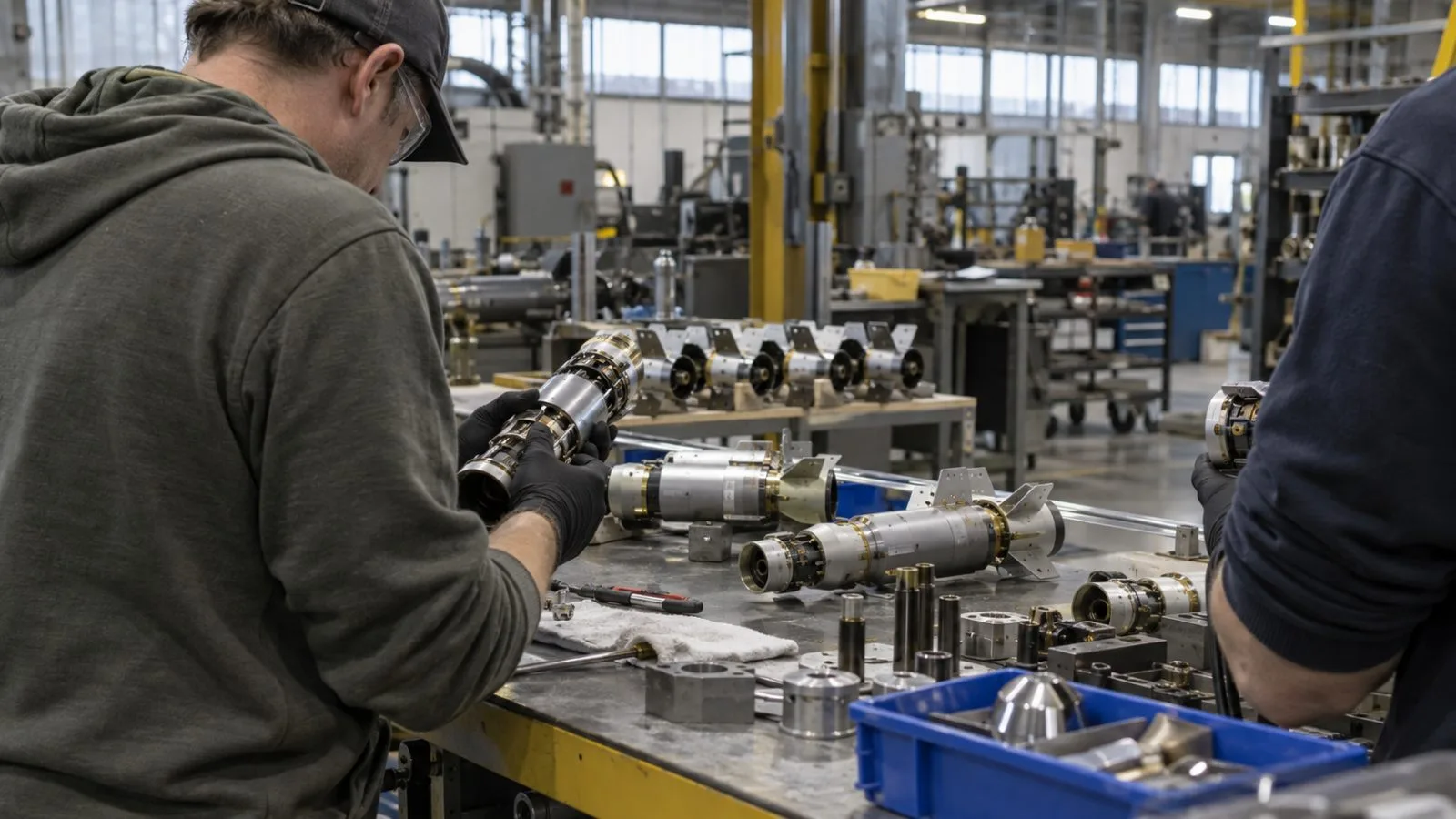
BAE makes the laser-guidance kits in Hudson, New Hampshire, and Austin, Texas. BAE says the Army, Navy, Air Force and Marine Corps use the kits, which add precision guidance to otherwise unguided 2.75-inch rockets. BAE says the kits are also available to U.S. allies.
U.S. purchases still depend on congressional authorization and funding. Any increase tied to allied demand depends on partner governments filing formal requests.