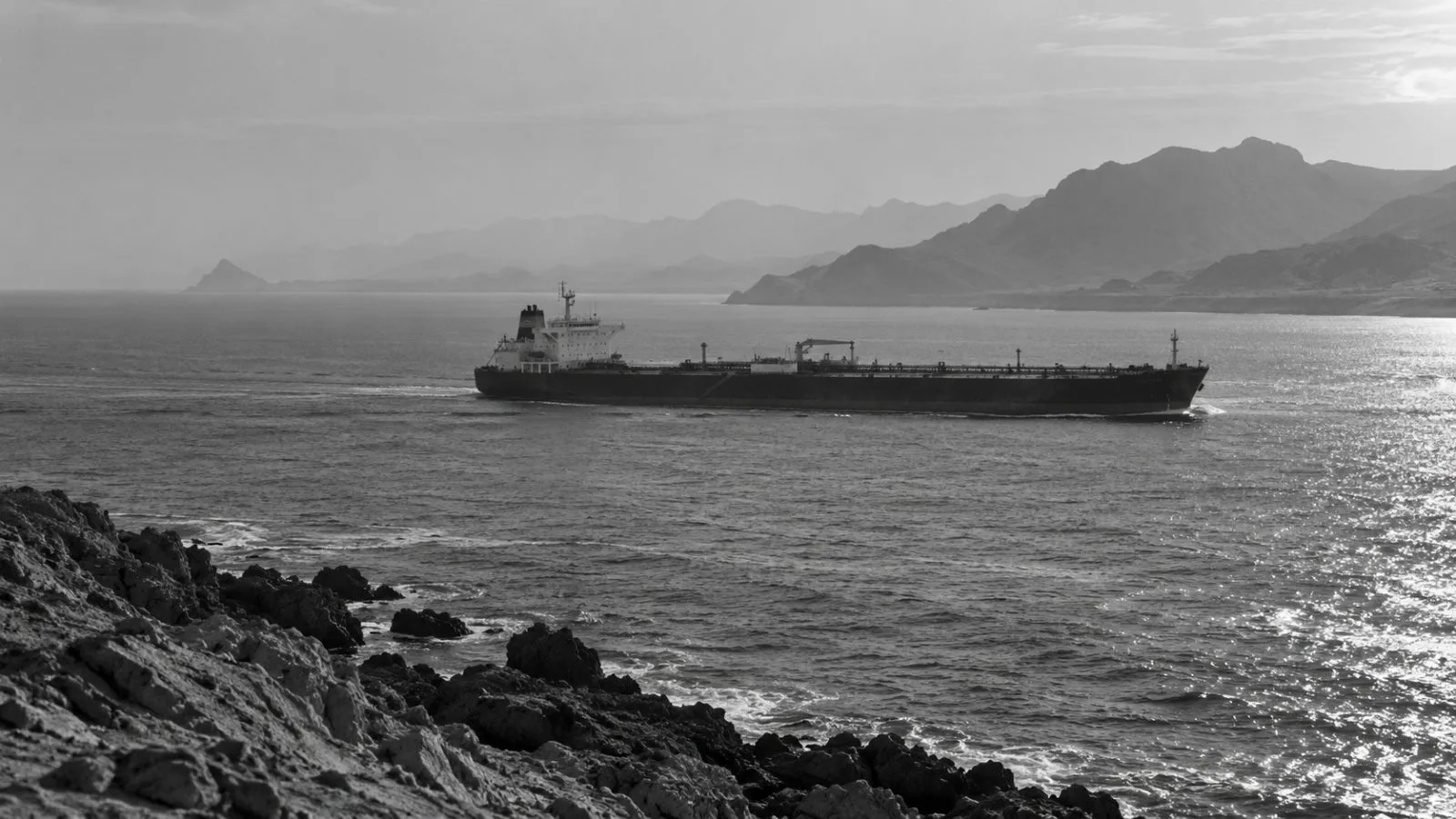
BGN has invested in 10 vessels from Korea for delivery over the next two years as disruptions strain oil transport, the energy trader’s chief operating officer, Wael Amer, said.
The company also has two crude oil ships and is buying two more. Amer linked the purchases to keeping supplies moving to existing customers during disruptions.
Speaking to Bloomberg Television at the ADIPEC energy conference in Abu Dhabi in an interview published Nov. 3, Amer described how the conflict has affected physical oil trading and customers’ sourcing decisions.
Geopolitical developments over the past eight months have made trading difficult because news can change within hours. BGN has focused on assessing what those developments mean for actual oil supplies.
“What is the effect on the physical market?” Amer said. He identified damage to infrastructure, interruptions to supply and attacks on ships as factors affecting energy trading.
Asked whether Asian importers had permanently changed how they buy oil from the region, Amer described expensive supplies forcing buyers to cut consumption. He distinguished those cuts from changes in demand under normal market conditions.
His answer did not establish whether those reductions would last. He described a market in which the cost of obtaining oil constrained purchases, complicating assessments based on the usual balance between supply and demand.
Shipping costs rose from 5% to as much as 35% of a barrel’s cost at one point, Amer said. He linked the increase to disruptions at the Strait of Hormuz and Bab el-Mandab, two passages used to transport oil.
The same amount of oil still needed to move despite those disruptions. Companies have consequently paid more attention to shipping and its importance in reaching customers.
“We have focused on buying a lot of ships,” Amer said. He described the vessel investments as a way to reach customers in difficult conditions and retain their business.
Amer did not give a value for the investments or a completion date for the purchase of the two additional crude ships. The delivery timetable he gave concerned the vessels from Korea.
Customers have also changed how they seek supplies. Major buyers are looking at alternative markets and sources, including liquefied natural gas, gas cooled into liquid for shipment, from the United States.
Amer also described crude moving from sources outside the usual Gulf suppliers as customers seek alternatives. He did not say whether buyers were paying more specifically to secure guaranteed shipments.