Bangladesh's garment-sector wage board agreed to lift the sector's legal pay floor but left the amount undecided, setting a December target for negotiations as workers press for relief from eroding purchasing power.
The panel's worker representative, Babul Akter, told AFP workers want a wage increase by December so the new rate can take effect in January. The requested monthly floor is 30,000 taka; the current minimum is 12,500 taka, making the demand a 140% increase. EconoTimes previously covered the workers' push for a 30,000-taka wage floor.
Workers say food, housing, transport and medical bills now consume more of their income. Bangladesh Bureau of Statistics data put point-to-point inflation at 8.34% in September, up from 8.26% in August.
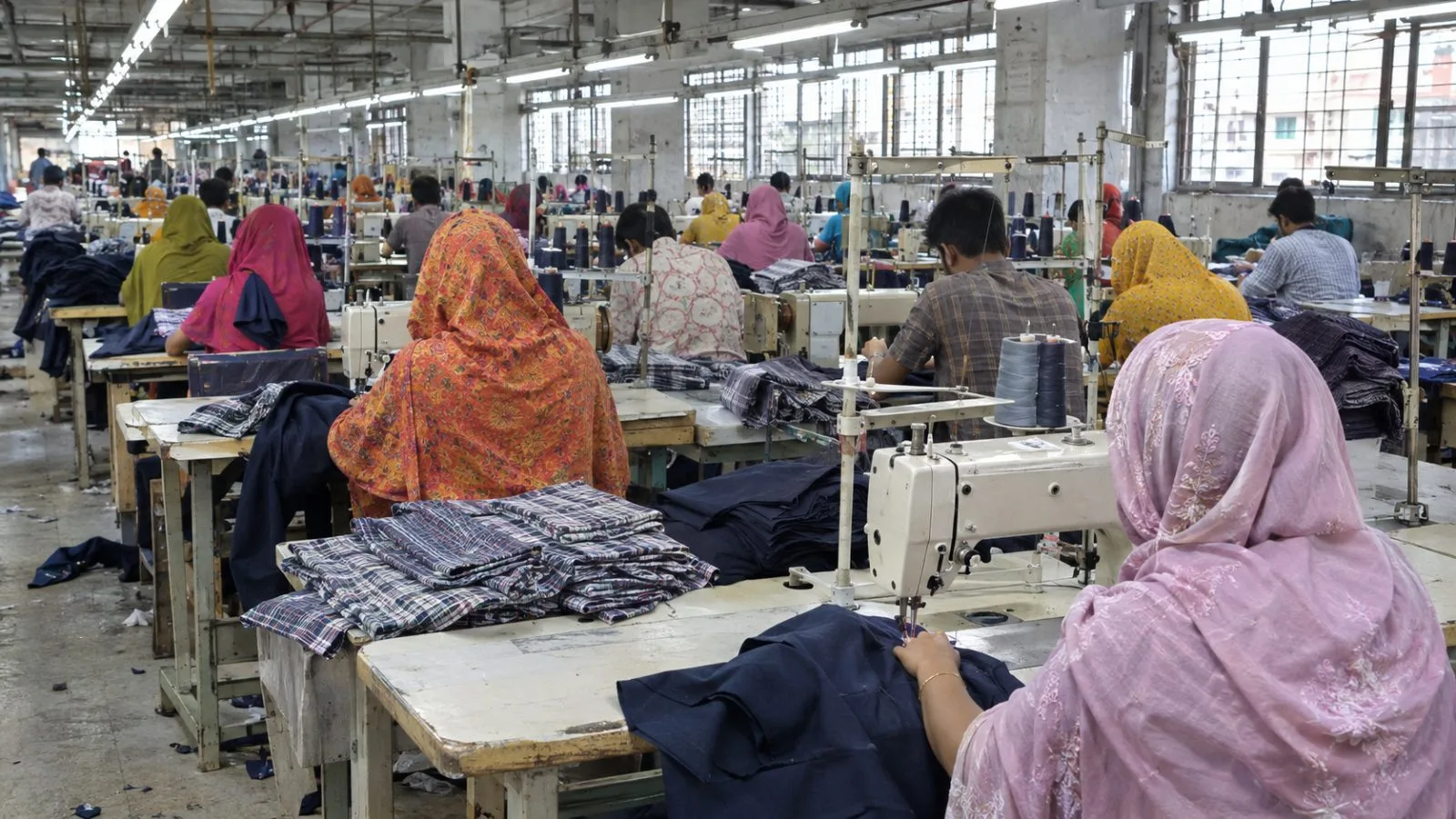
Bangladesh's garment sector also carries significant export weight. Figures from the Bangladesh Garment Manufacturers and Exporters Association (BGMEA), compiled from Export Promotion Bureau data, put ready-made garment exports at $38.7 billion in fiscal 2025-26, or 80.62% of total exports. AFP reported that more than four million people work in the industry and that only China exports more garments.
The Business Standard has reported that wage-board reviews follow a three-year cycle through December 2026. It counts the new panel as the country's eighth, tracing the first wage board to 1984.
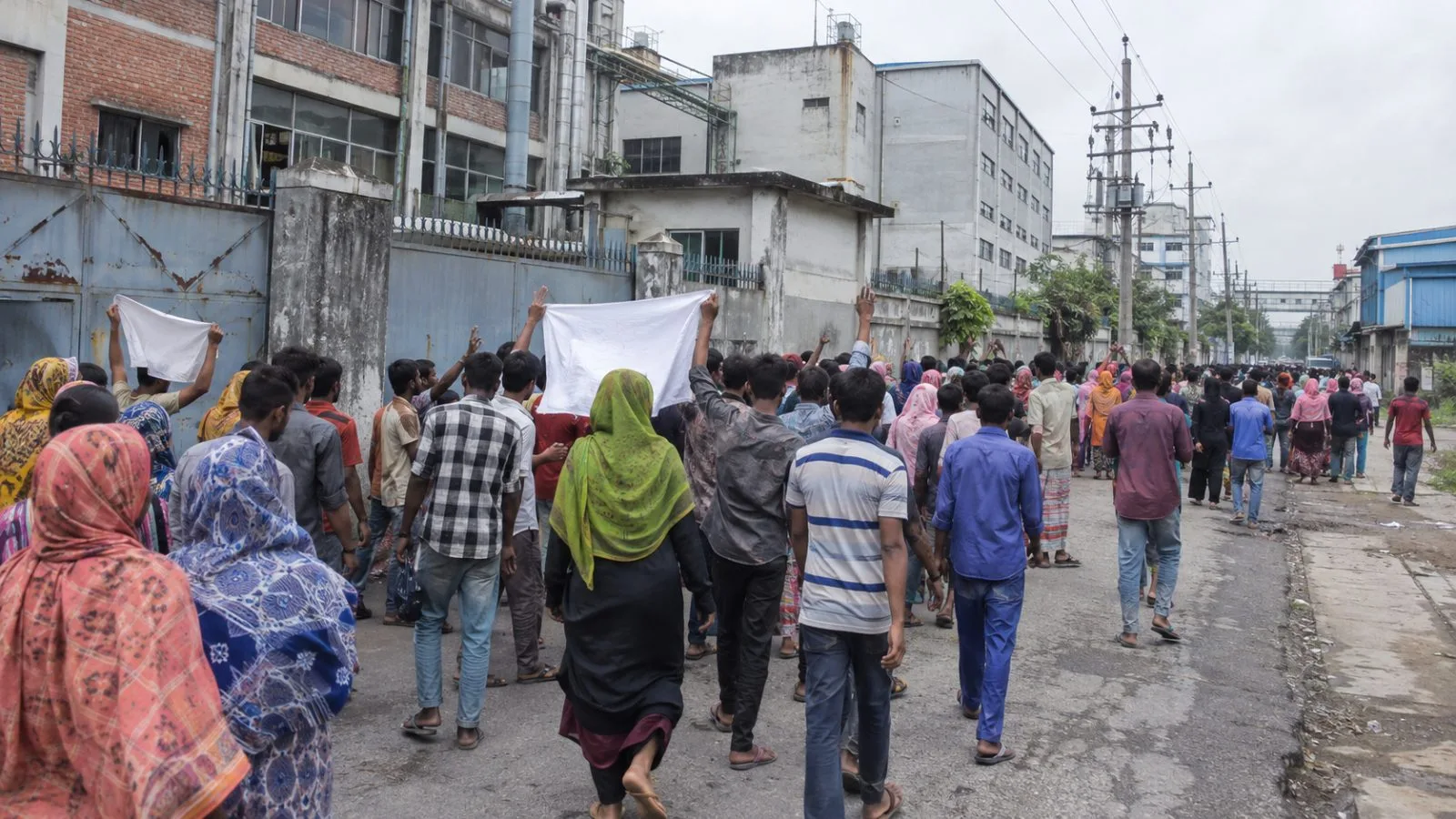
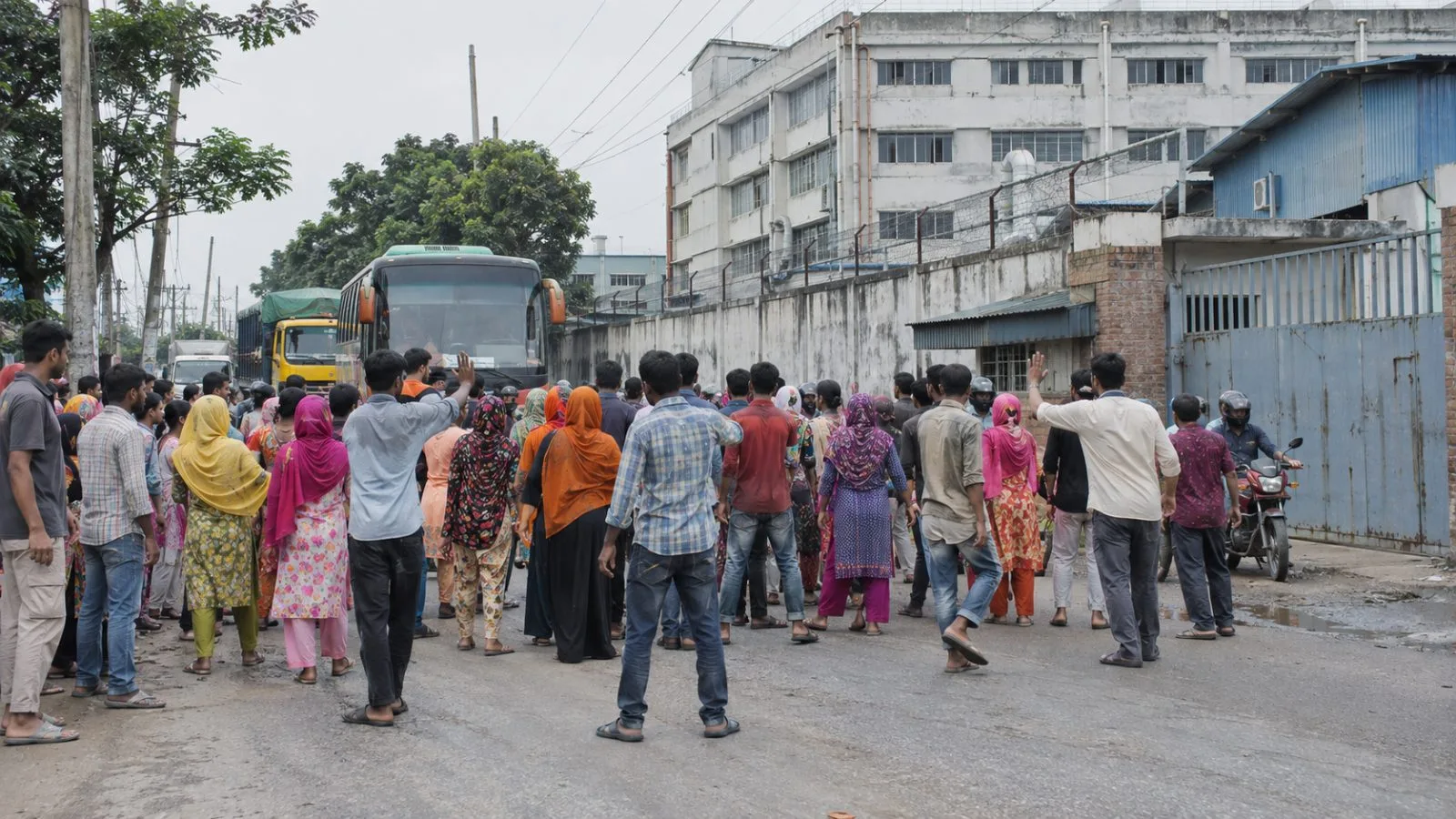
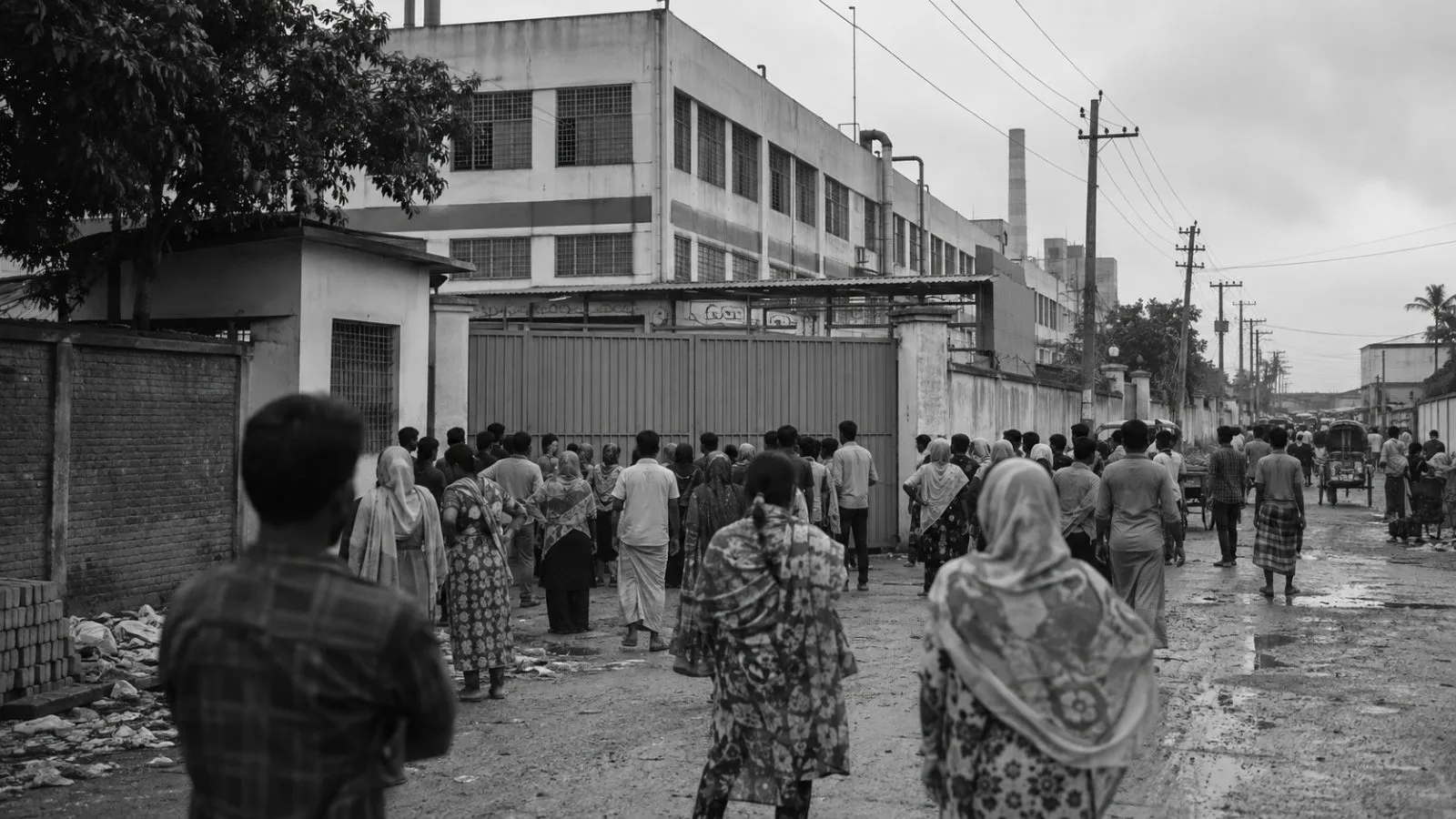
The government appointed a six-member panel on Nov. 1, bringing worker and factory-owner representatives into negotiations. AFP said demonstrations since Oct. 31 have involved brick throwing and barricades, while police used tear gas as unrest reached Gazipur, Mirpur, Narayanganj and Savar.
Buyer pricing is one issue producers have raised around the timing of pay changes. Mohammad Hatem, president of the Bangladesh Knitwear Manufacturers and Exporters Association, told The Business Standard that factories need to renegotiate rates with overseas buyers before increasing worker pay.
ABM Shamsuddin, the board's manufacturers' representative, told AFP that January is the intended start for higher pay; he said the panel expects to finish in December.