


 BOJ Flags Import Costs and Yen Shocks as Persistent Inflation Risks
  BOJ Signals Faster Rate Hikes as Inflation Risks Grow
  Asian Stocks Fall as Bond Yields and Oil Prices Surge
  Japanese Yen Retreats as Dollar Rises Ahead of Fed, BOJ Rate Decisions
  RBA Hikes Interest Rate to 4.60% as Inflation Risks Rise
  Fed’s Hammack Says Bond Yield Surge Is Not Driven by Inflation Fears
  Asian Stocks Rise as Chipmakers Rally on Micron Earnings
  Asian Currencies Mixed as Yen Slides on BOJ Rate Signals
  U.S. Stock Futures Steady as AI, Rate Concerns Weigh
  US Treasury Bond Buybacks Fall Short Despite Expanded $6 Billion Cap
  Trump Eyes $54 Billion South Korean Investment in Alaska LNG
  Japan Factory Output Unexpectedly Falls 1.7% in August
  ECB May Stop Rate Hikes After December, Capital Economics Says
  Nasdaq Futures Jump as Micron Earnings Boost AI Trade


 Add as a preferred source on Google
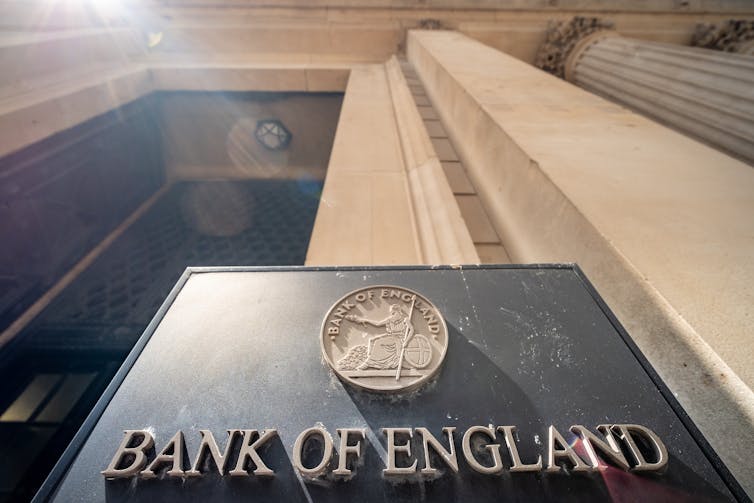
The Bank of England (BoE) is expected to cut interest rates on Thursday, marking its third reduction since the COVID-19 pandemic. With the economy struggling due to rising costs, tax hikes by Finance Minister Rachel Reeves, and fears of a global trade war under U.S. President Donald Trump, policymakers face a tough balancing act.
Currently, the BoE’s benchmark rate stands at 4.75%, the highest among major economies. A widely anticipated 0.25% cut would align it with Norway’s rate and bring it closer to the U.S. Federal Reserve’s 4.25-4.5% range. The European Central Bank, responding to lower inflation risks, has already cut rates five times since mid-2024, compared to the BoE’s two.
Britain's economy has shown signs of stagnation, leading experts to believe more rate-setters will support easing monetary policy. Matt Swannell, chief economic advisor at the EY ITEM Club, noted that while economic growth projections have weakened, near-term inflation remains elevated. The BoE's decision, along with its latest economic projections, will be announced at 12:00 GMT, followed by a press conference with Governor Andrew Bailey.
Investors predict at least three quarter-point cuts by the end of 2025, while most economists foresee four. Lower borrowing costs could benefit Prime Minister Keir Starmer and Reeves, helping them manage fiscal targets. However, inflation remains a concern, with consumer expectations rising and wage growth accelerating.
Citi economists warn that energy price increases and rising labor costs could push inflation to 3.5% by April. December’s inflation stood at 2.5%, exceeding the BoE’s 2% target, and some analysts forecast a jump to 3% in January due to higher fuel costs. As the BoE navigates economic uncertainty, its next moves will be crucial in shaping Britain’s financial landscape.







