


 Fed Unveils Stablecoin Rules Under GENIUS Act
  Japanese Yen Retreats as Dollar Rises Ahead of Fed, BOJ Rate Decisions
  Fed’s Williams Signals One More Rate Hike Before Year-End
  Yen Sinks as BOJ Rate Hike Fails to Impress Markets
  BOJ Raises Interest Rate to 31-Year High as Yen Weakens
  Oil Prices Jump Nearly 3% as Iran Holds Firm on Hormuz Conditions
  Fed’s Hammack Says Bond Yield Surge Is Not Driven by Inflation Fears
  Asian Stocks Fall as Bond Yields and Oil Prices Surge
  China Cuts Tariffs on U.S. Farm Goods but Excludes Soybeans
  ECB May Stop Rate Hikes After December, Capital Economics Says
  Gold Plunges 4% as Treasury Yields Surge and Fed Rate Hike Bets Rise
  Australia Budget Deficit Narrows to A$22.3 Billion on Stronger Tax Revenue


 Add as a preferred source on Google
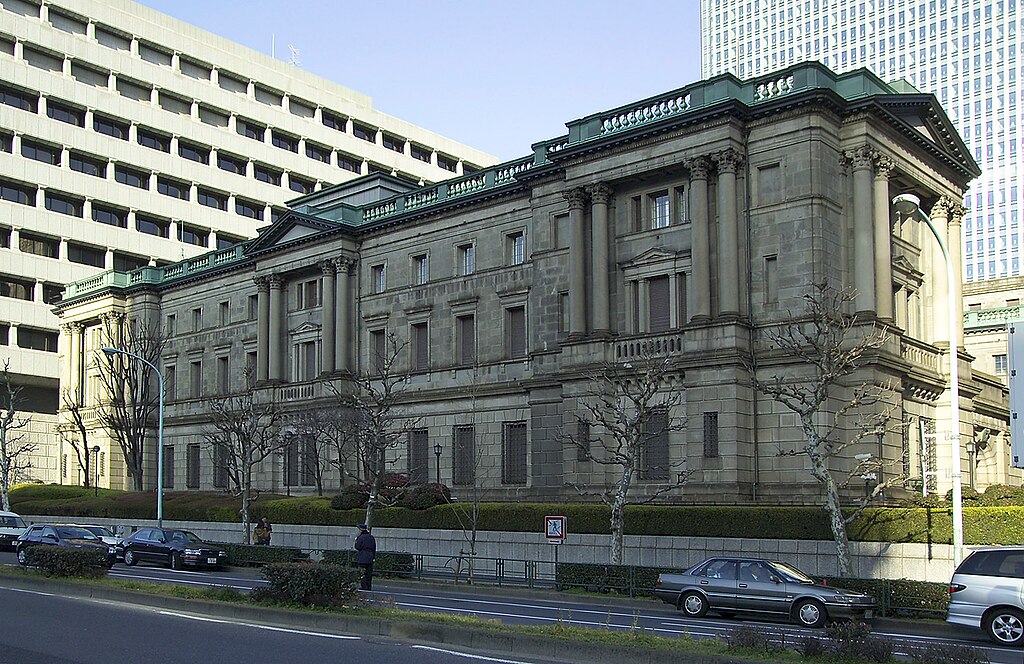
The Bank of Japan is increasingly expected to raise interest rates at its December policy meeting, with a slim majority of economists in a recent Reuters poll forecasting another step toward monetary policy normalization. The prospect of a rate hike has strengthened as the yen continues to weaken, hitting a 10-month low against the U.S. dollar and its weakest level on record versus the euro.
Despite Prime Minister Sanae Takaichi’s calls for caution and continued support for Japan’s recovery, analysts say the economic backdrop now supports a modest tightening. Takaichi, who favors expansionary fiscal and monetary measures, has urged the BOJ to cooperate with government efforts to stimulate growth. Still, economists expect the yen’s steep decline to increase inflationary pressure through higher import costs, reinforcing the case for earlier action.
In the Nov. 11–18 survey, 53% of economists—43 of 81—predicted the BOJ would raise short-term interest rates from 0.50% to 0.75% at its Dec. 18–19 meeting. All 69 respondents who offered forecasts agreed rates would reach at least 0.75% by March. The central bank last raised rates by 25 basis points in January.
Economists note that while Japan posted its first GDP contraction in six quarters for July–September, the downturn reflected temporary factors, with underlying private demand remaining solid. Many analysts say wage negotiations early next year will be crucial to shaping the BOJ’s policy path. Governor Kazuo Ueda has also emphasized the importance of wage momentum for future decisions.
Although most economists do not expect next year’s wage increases to surpass this year’s 5.25% rise, corporate earnings remain robust enough to support strong pay growth through 2026, even if manufacturing profits soften. The long-term median forecast sees BOJ rates at 1.00% by the end of 2026, unchanged from previous projections.
Overall, economists say a December rate hike is increasingly likely as the BOJ balances yen weakness, inflation risks, and wage trends in its push toward policy normalization.







