


 Fed Minutes Signal Another Rate Hike by Year-End
  Trump Demands Powell Resign Over Fed Renovation Cost Overruns
  Fed’s Hammack Says Bond Yield Surge Is Not Driven by Inflation Fears
  Yen Sinks as BOJ Rate Hike Fails to Impress Markets
  BlackRock’s Rick Rieder Favors Bonds Over Stocks as Treasury Yields Surge
  RBI Rate Hike Bets Surge as Inflation Rises


 Add as a preferred source on Google
While Korea's domestic demand and services stabilized after the MERS outbreak, the export environment and the sequential pay back in private consumption might slow down the growth momentum in fourth quarter, which might cut the job growth.
Although the country's domestic demand is under recovery, led by consumption, the declining trend of exports persisted, while the improvement in economic sentiments were inadequate.
"We believe the BoK will deliver another 25bp rate cut in Q1, ahead of the National Assembly elections in April 2016", says Barclays in a research note.
A weak KRW bias will resume, as the government continues to encourage state entities to recycle the current account surplus by stepping up overseas loans and investments, or by stockpiling essential minerals and fuels.
The BoK is likely to recentre lower and widen its inflation target range to 1-3% from 2.5-3.5%, with effect from 2016. Another possibility is to set an explicit 2% target but remove the range.
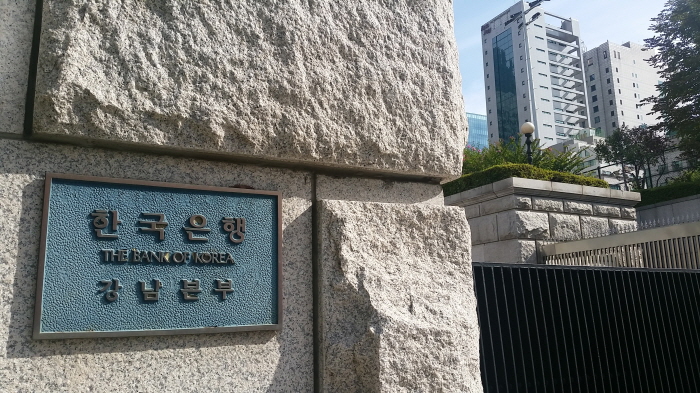
BoK is mindful of capital volatility in December, however, it is not ruling out further easing just yet.

- News

- Economy

- Central Banks
- Investing
- Research
- Roundups
- Digital Currency
- Insights
- Technical Analysis
- Technology
- Business
- Law
- Health
- Nature
- Fintech
- Science
- Topic
- Opinions
- ©Econometrics LLC . All Rights Reserved.
Bank of Korea's further easing not yet ruled out
Thursday, December 10, 2015 6:47 AM UTC
Editor's Picks



- Market Data
Most Popular




