Israeli National Security Minister Itamar Ben-Gvir said police fined a mosque for noise as the Arab-led Joint List sought to stop him using demolitions in campaign advertising before Israel’s election.
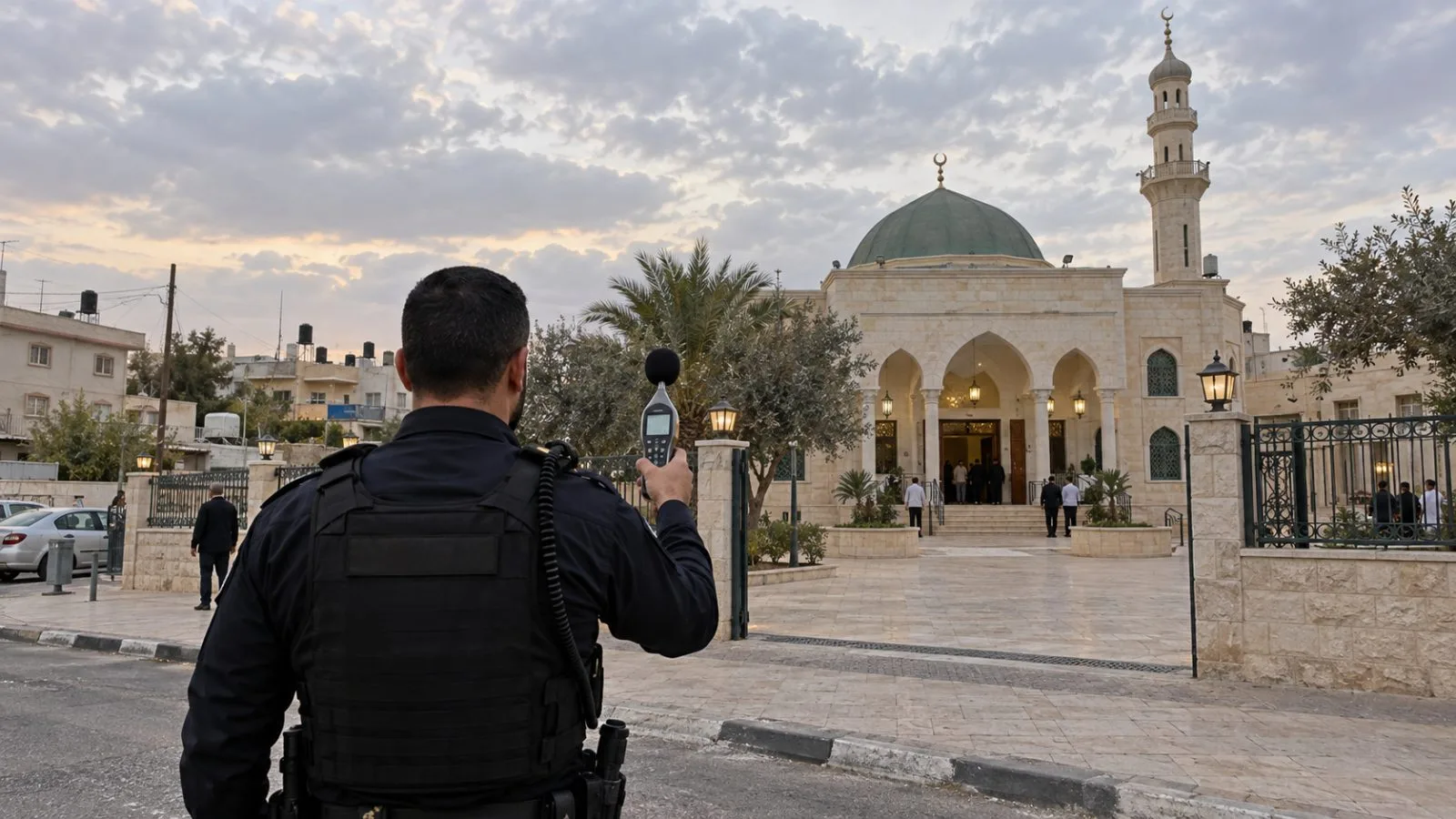
Ben-Gvir said on Oct. 19 that police had fined Al-Rahma Mosque in Abu Anza, Tel Sheva, the previous day after measuring noise there. He described the action as part of a policy he introduced to enforce noise rules at mosques across Israel. Anadolu Agency reported that Ben-Gvir posted the remarks on Telegram.
The Joint List filed its petition with Israel’s Central Elections Committee on Oct. 18, Arab48 reported. It asked election officials to prevent Ben-Gvir and his Jewish Power party from using home demolitions and evictions in campaign advertising. The alliance also sought to stop the use of police and land-enforcement personnel and equipment for that purpose.
The alliance alleged that Ben-Gvir had shared footage of a residential building being demolished in At-Tur, East Jerusalem. It also accused authorities of reviving eviction cases that had not been enforced in more than 20 years and scheduling some enforcement actions for election day. The Joint List said the actions were intended to intimidate Arab voters and discourage them from voting.
The Supreme Court of Israel unanimously allowed the Joint List and Ra’am to run on Oct. 2, finding insufficient evidence to disqualify them.
The Middle East Forum’s updated Oct. 19 polling average assigned 14 seats to Arab-led parties in the 120-seat Knesset: eight to the Joint List and six to Ra’am; an earlier EconoTimes report on the election provides background. It placed Prime Minister Benjamin Netanyahu’s bloc at 54 seats and opposition parties at 52, leaving both short of the 61 seats needed for a majority. The updated estimates draw on fieldwork by seven polling houses from Oct. 4 to 18.
Israel’s Central Elections Committee lists Oct. 27 as the election date.