


 Meta Launches Muse Wonder AI Models, Shares Rise 3.7%
  Apple Supplier Luxshare Faces US Patent Probe, Sees Limited Impact
  Philippines Current Account Deficit Seen at $19.1 Billion in 2026
  DeFi Development Adds 22,070 SOL to Solana Treasury
  Moonshot AI Executives Seek Settlement Ahead of Hong Kong IPO
  Asian Stocks Plunge as AI Chip Selloff Hits South Korea and Japan
  XRP Price Drops 3% Despite Ripple-Backed Evernorth Nasdaq Debut
  RBA Signals More Rate Hikes as Inflation Risks Rise
  Fed's Hammack Urges Faster Rate Hikes to Fight Inflation
  Coinbase CEO Backs SEC Accredited Investor Reform
  Samsung, SK Hynix Shares Fall as China's CXMT Advances DRAM Technology
  Oil Prices Fall as Trump Ceasefire Claim Shifts Market Focus to U.S. CPI
  Ethereum Foundation-Linked Wallets Move $11.13M in ETH to Kraken
  Russia Approves Sberbank for Crypto Exchange Services
  Hong Kong’s Second Solana ETF Launches With Lower Fees
  Bitcoin Price Drops as US Dollar Hits 18-Month High


 Add as a preferred source on Google
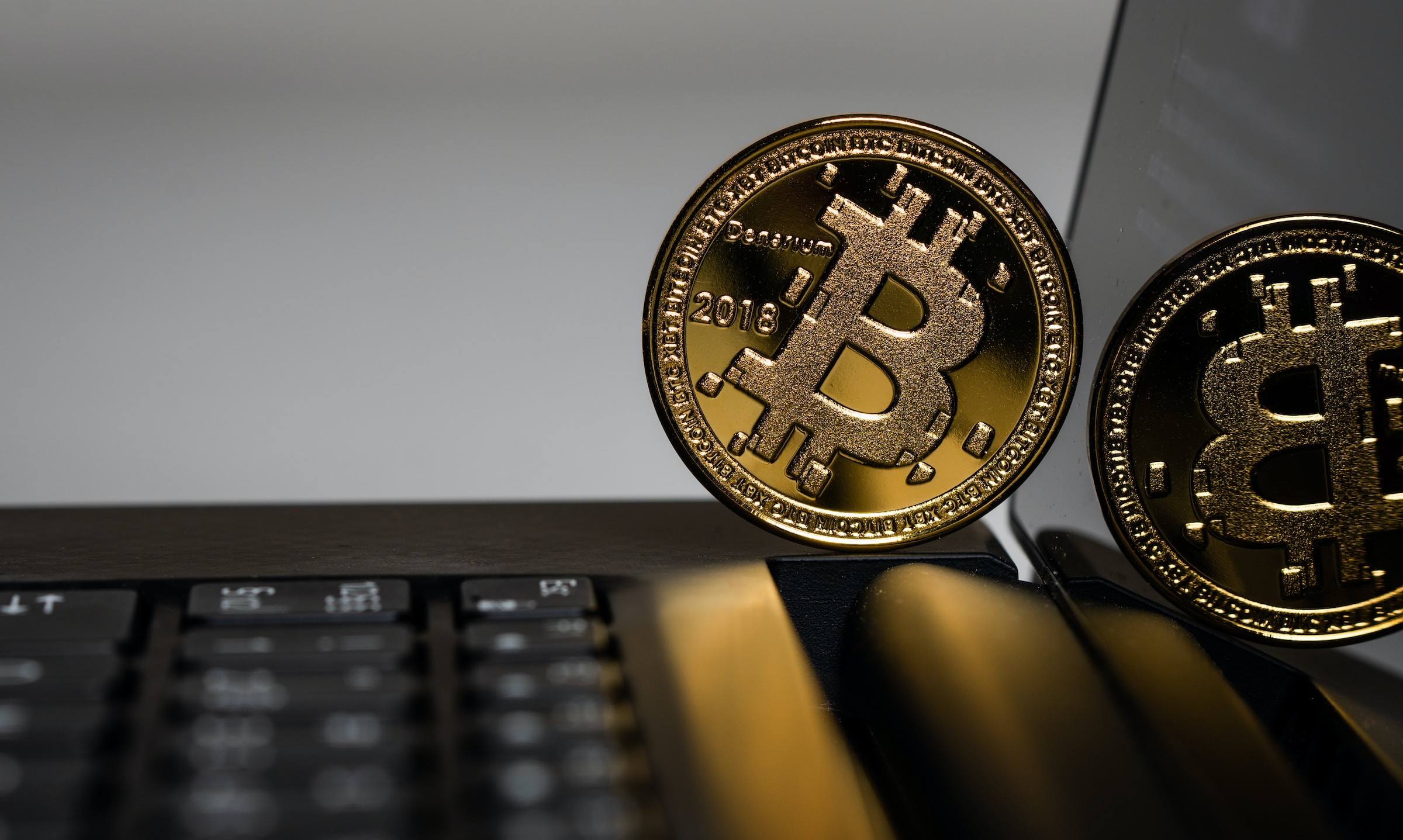
Bitcoin's transaction fees plummeted over 15% to $3.3 million, reflecting a decrease in on-chain activity to levels last seen before its 2021 peak, as per IntoTheBlock. Is the market stagnating or bracing for imminent disruptions?
These factors highlight a stagnating Bitcoin ecosystem, with on-chain activity showing levels last witnessed before the digital currency's impressive run to its all-time highs in 2021.
Data collected by CryptoQuant, an analytics platform led by CEO Ki Young Ju, indicates that Bitcoin velocity is at multiyear lows, indicating that Bitcoin is becoming increasingly stagnant at its current price levels. This lack of movement in price trends reduces the motivation for buy or sell actions within the market.
The decline in velocity indicates a decrease in Bitcoin units being moved across the network. In particular, the metric has now reached levels not seen since October 2020.
The number of Bitcoin transactions fluctuated throughout the week, reaching a weekly high of 612,460 on August 20 before dropping to 399,150 by August 24.
These transaction fees incentivize miners, who validate and record Bitcoin transactions on the network. A decrease in fees could imply reduced profitability for miners, though it offers cheaper transactions for users.
Analyzing transactions by size reveals varying trends. Smaller transactions ranging from $0.00 to $1.00 experienced a notable increase of 52.10% within the past month. Conversely, transaction activity for between $1.00 and $10.00 decreased by 28.46%. Larger transactions also witnessed significant declines, including those in the $1,000 to $10,000 range (declining by 21.66%) and transactions exceeding $10 million (dropping by 41.97%).
Neon, a cryptocurrency analyst, noted that the crypto market is encountering its lowest volume in derivative trading since late December 2022. Market sentiment appears to have become apathetic, erasing earlier leveraged positions.
As attention shifts away from demand-side factors such as the potential launch of a spot Bitcoin ETF, initiatives from Grayscale, and upcoming Ethereum futures ETFs, focus is now directed towards upcoming events that could impact the market in the short term. These include releasing 30,000 coins from the Silk Road saga, FTX trading $500 million in major cryptocurrencies, and the Mt. Gox bankruptcy case.
The current state of Bitcoin's transaction fees and on-chain activity suggests a period of reduced activity and stability, with the market bracing itself for potential disruptions and developments in the near future.
Photo: Aleksi Räisä/Unsplash







