


 Judge Blocks Trump Rule Limiting Foreign Student Visas
  ICE Agent Arrested in Minneapolis Over Venezuelan Man Shooting
  U.S. Issues Cuba Health Alert as Illnesses Rise
  Who should own the knowledge that underpins AI technology?
  Australia Tightens Student Visa Rules, Targets Migration Cut by 2028
  US Officials Meet Houthis in Oman Amid Yemen Offensive
  Nvidia-Groq AI Chip Deal Faces U.S. Antitrust Probe
  UK PM Andy Burnham Set for First Trump Meeting in New York
  Yemen Fighting Threatens Red Sea Oil Routes
  What is Zionism? The different meanings of a contested term
  Synthetic data could ease people’s concerns about privacy breaches. But who gets to create it?
  Japan, U.S. Discuss $19 Billion GlobalFoundries Chip Plant
  US Confirms Weapons in Orbit as Space Tensions Rise
  US Judge Dismisses Imran Ahmed Deportation Lawsuit
  Ukraine Races to Counter Russia’s Faster Jet-Powered Drones
  Ovechkin Faces Scrutiny Over United Russia Campaign Video
  U.S. Probes Apex Logistics Over Nvidia AI Chip Shipments to China


 Add as a preferred source on Google
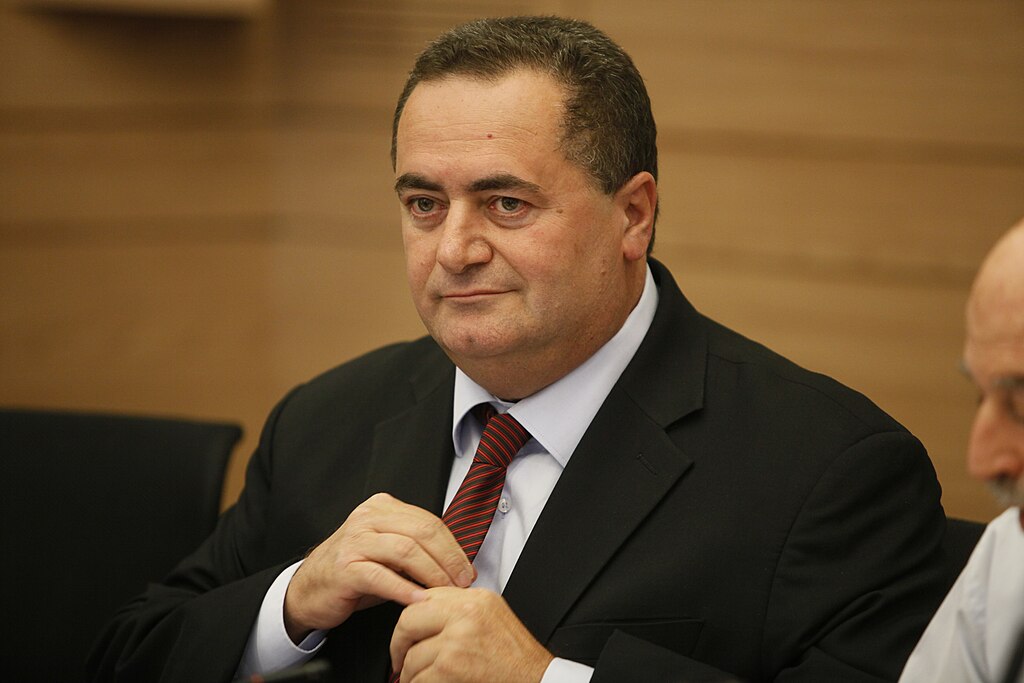
Israel imposed sweeping emergency measures on Saturday after Iran launched missiles and drones toward the country in retaliation for a joint U.S.-Israeli strike on Iranian targets. Defence Minister Israel Katz declared a nationwide state of emergency, warning citizens to prepare for further Iranian missile attacks and potential drone strikes.
Public gatherings were banned, schools and many workplaces were shut down, and hospitals began transferring patients to fortified underground facilities. The Israeli military called up tens of thousands of reservists to strengthen land borders and bolster national security. Police urged residents to avoid non-essential travel to ensure emergency vehicles could move freely during the crisis.
Despite heightened tensions, Israel’s advanced air defense system intercepted many incoming projectiles, with few initial reports of injuries or major damage. The country’s nationwide alert system instructed residents to seek shelter, and most Israelis have access to reinforced safe rooms or bomb shelters.
In Tel Aviv, where key military installations are located, some residents expressed support for the military operation against Iran. Similar areas, including parts of southern Israel with military bases, were targeted during last year’s 12-day aerial conflict between Israel and Iran. That confrontation, which followed a surprise Israeli strike and subsequent U.S. involvement, resulted in more than 30 deaths in Israel and over 900 fatalities in Iran.
Israel temporarily closed its airspace to civilian flights, though land crossings with Egypt and Jordan remained open. The U.S. Embassy in Jerusalem advised government personnel to shelter in place and previously offered staff the option to leave the country.
Meanwhile, residents in Jerusalem rushed to buy food and withdraw cash as missile interceptions echoed overhead. At Sheba Medical Center near Tel Aviv, hospital wards were relocated underground as part of advanced emergency preparedness measures, underscoring the seriousness of the escalating Israel-Iran conflict.







