Bolivian President Rodrigo Paz has reached a key agreement with the Bolivian Workers’ Confederation (COB), marking a significant step toward ending a nationwide crisis that has disrupted the country for nearly 50 days.
The prolonged conflict has severely impacted daily life across Bolivia, with widespread roadblocks causing major transportation and supply chain disruptions. Citizens have faced lengthy queues at fuel stations, while shortages of food, medical supplies, and other essential goods have created growing concerns about the country’s economic stability and public welfare.
The agreement between the Bolivian government and the COB is viewed as a breakthrough in efforts to restore normalcy and ease tensions that have fueled weeks of uncertainty. The labor organization, one of the country’s most influential worker groups, has played a central role in negotiations aimed at resolving the dispute.
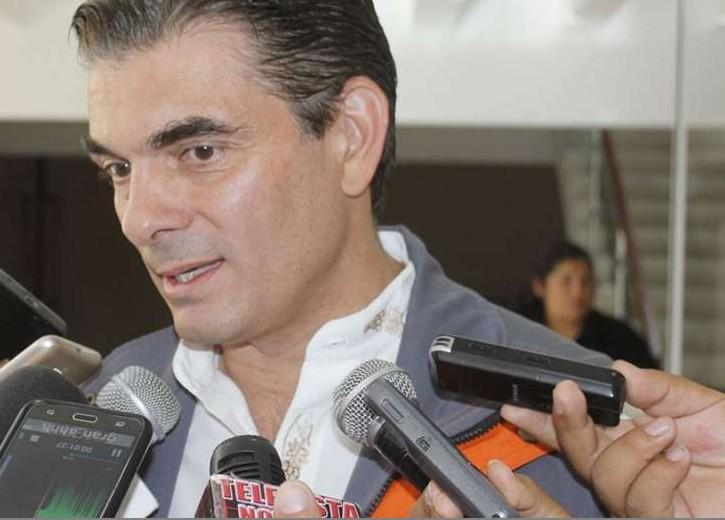
COB Executive Secretary Mario Argollo emphasized the importance of dialogue and cooperation as both sides work toward a lasting solution. He described the negotiations as a critical opportunity to bridge differences and promote national unity after weeks of unrest.
“There is a country waiting for white smoke to appear today,” Argollo said, expressing optimism that progress can be achieved through constructive discussions. He added that Bolivia must begin addressing its disagreements and focus on building a nation grounded in consensus, with workers actively participating in decision-making processes.
The deal signals a potential turning point for Bolivia, where the economic and social effects of the standoff have intensified pressure on authorities and labor leaders to find common ground. Businesses, transport operators, and households have all been affected by the disruptions, highlighting the urgent need for a resolution.
While details of the agreement have not been fully disclosed, the development raises hopes that roadblocks could be lifted and critical supply routes reopened. Observers will be closely monitoring the implementation of the deal as Bolivia seeks to recover from one of its most challenging periods in recent months.