Federal Reserve Chair Kevin Warsh has set up a task force to examine how artificial intelligence could affect jobs, productivity and interest rates, CNBC reported on Nov. 21.
The task force has yet to resolve who will gain from AI or how widely it will change employment. Warsh asked whether the benefits would go to workers, consumers through lower prices, or owners of capital.
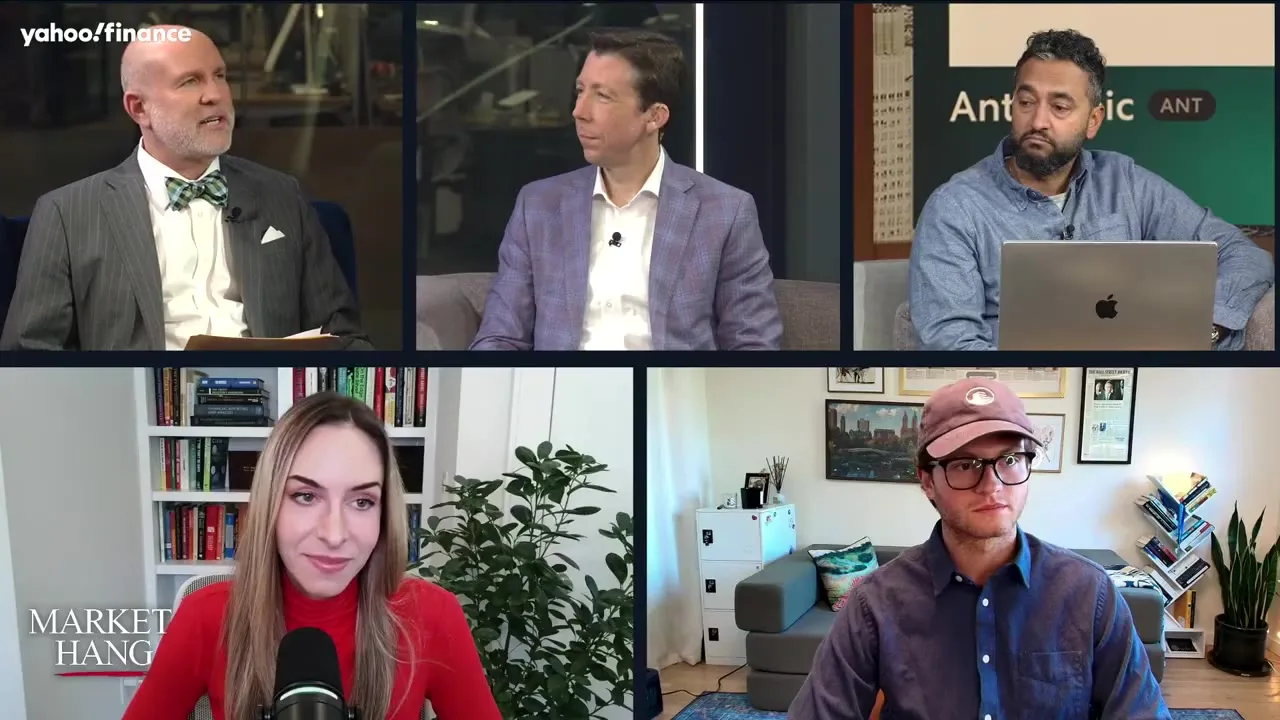
In CNBC's “A First Look Inside The Fed’s New AI Task Force,” venture capital investor Marc Andreessen said regulation could limit the technology's effect on employment and economic growth.
Andreessen, a member of the task force, said health care, education, housing, law and government administration faced restrictions on rapid change. He said that could limit job losses from AI but also hold back productivity and economic growth.
Stanford University professor Chad Jones, another task force member, did not speak to the press because he was on leave at technology company Anthropic. Jones has written about tasks in which AI can help workers but also create problems that people must resolve.
One example is the use of AI to find lumps in X-rays. The technology can help radiologists, but it can also produce false positives that people must check.
Stephanie Aliaga of JPMorgan said businesses were adopting AI more slowly than the technology was advancing. She said 72% of current tasks appeared exposed to AI, software and some robotics.
Aliaga said a question for the Fed was how to monitor changes in the tasks people perform at work. The effects on knowledge workers and the identities of those most likely to be displaced remain uncertain.
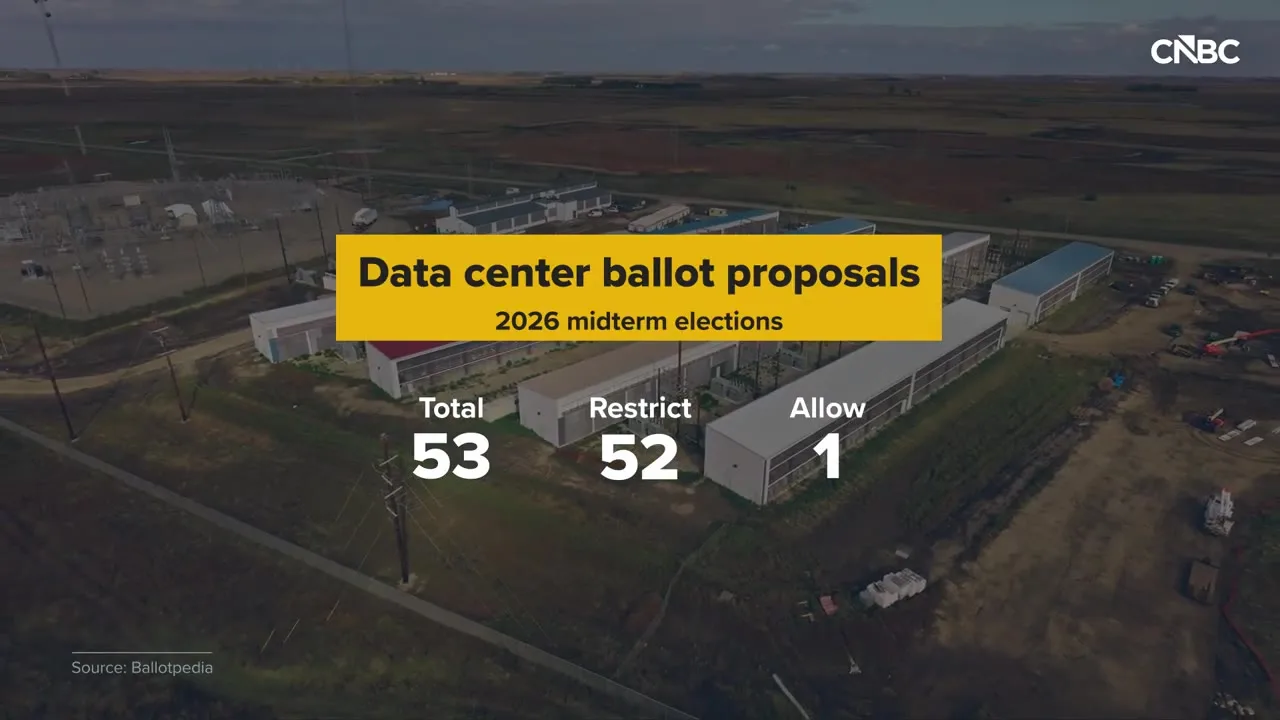
Former Rhode Island Governor Gina Raimondo said she was concerned about opposition to data centers. She said voters had chosen to restrict development in 52 of 53 local ballot proposals on data centers in the midterm elections.
Raimondo said data centers could bring jobs, tax revenue and investment to communities. She said more time was needed to negotiate terms that could reduce the risk of a stronger public backlash.
Warsh asked about AI's effects over the next six, 12 and 18 months and beyond. The discussion also raised questions about how AI spending affects prices and how much it contributes to economic growth after imports are deducted.
The task force has not settled how quickly AI will spread through the economy, which workers will be most affected or how the Fed should respond with interest rates.