Brazil’s Indigenous affairs agencies are coordinating a response to a reported approach by isolated Awá people in Maranhão, with officials seeking to manage health risks under the country’s non-contact policy.
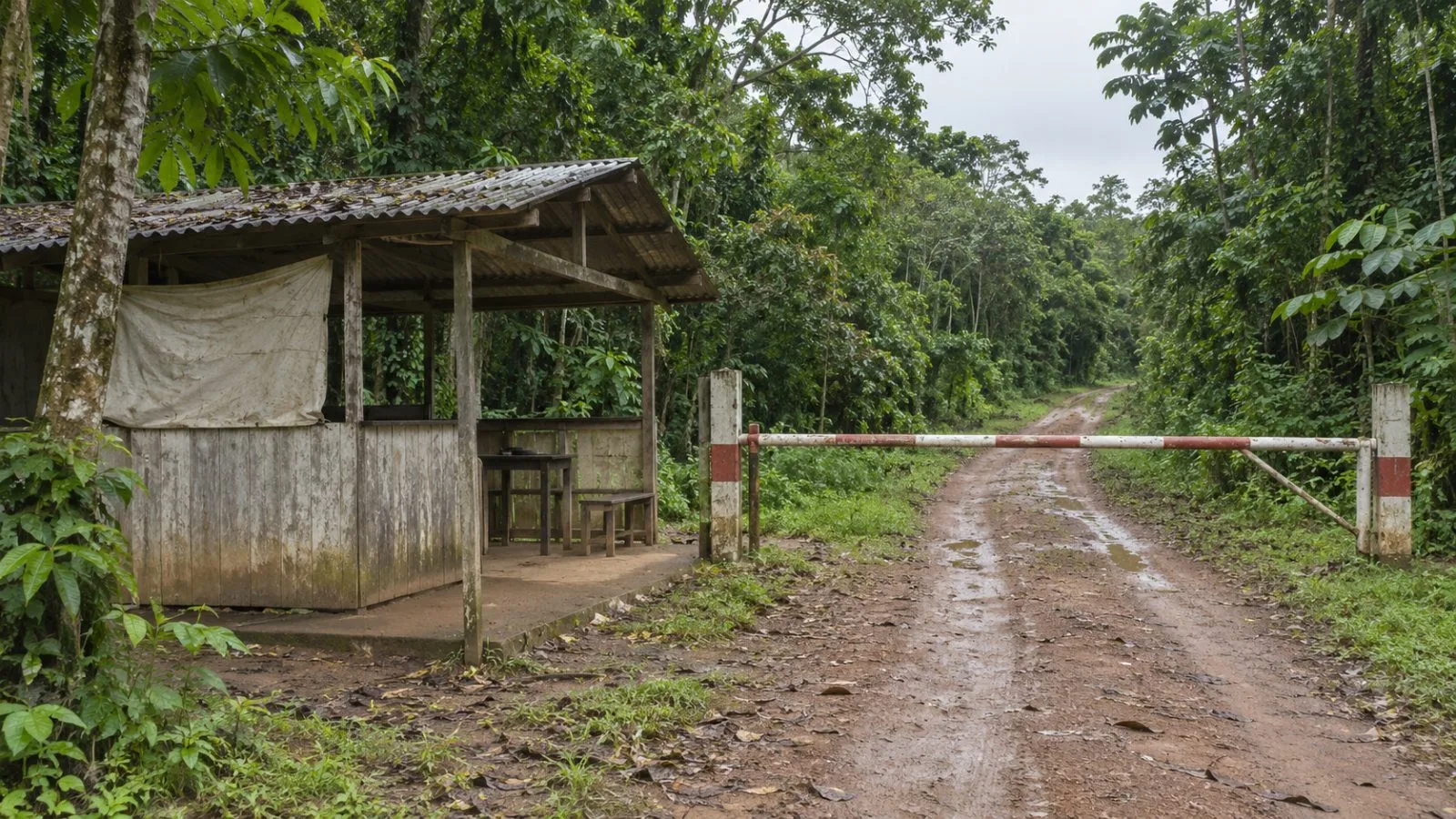
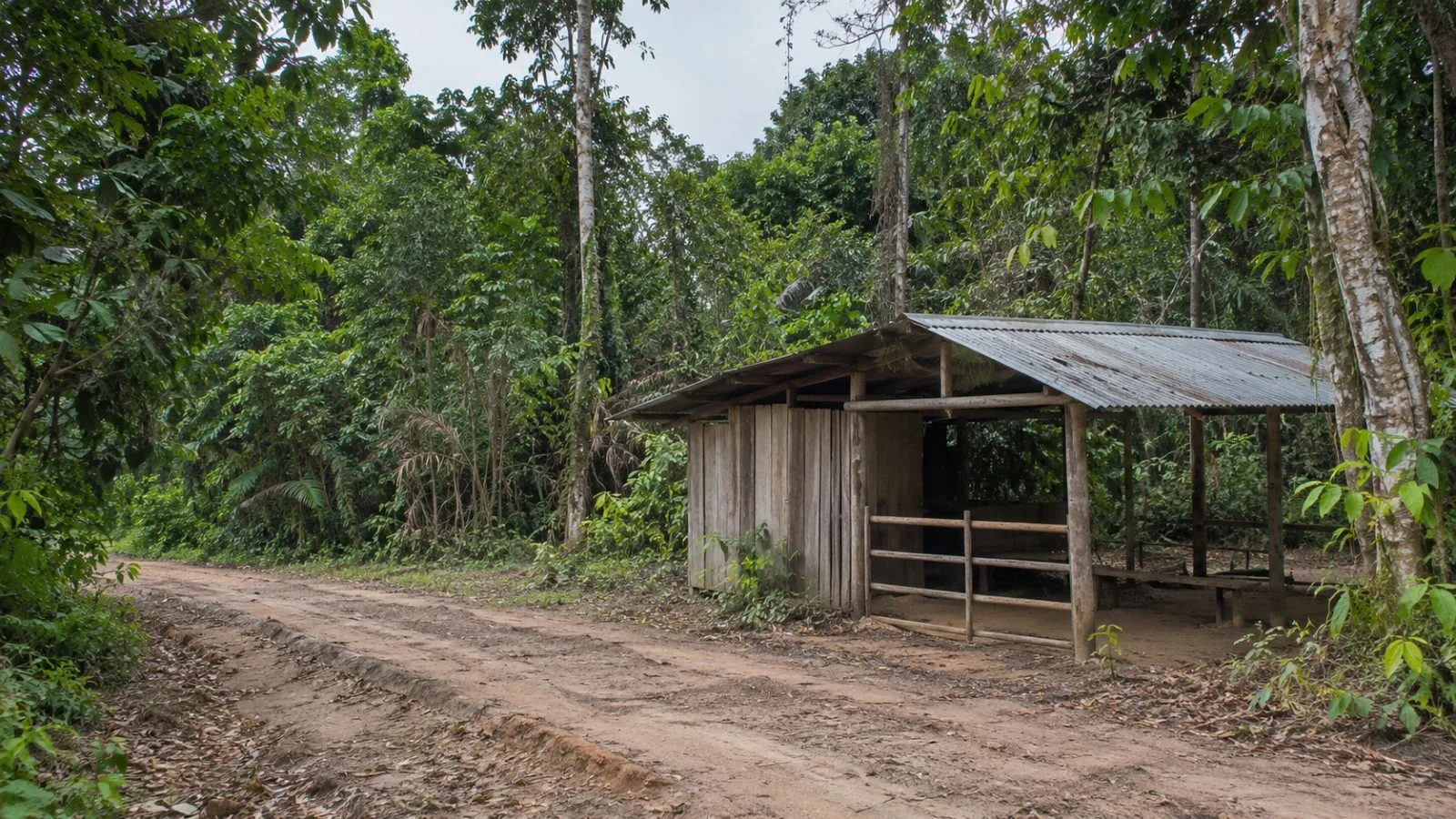
The Ministry of Indigenous Peoples (MPI), National Foundation of Indigenous Peoples (Funai) and Indigenous Health Secretariat (Sesai) said the activity began Nov. 16 near a Funai access-control post and Tawari, a Guajajara village in Arariboia Indigenous Land. They described the reports as preliminary. An interagency situation room is coordinating responses to possible contact and outbreak or epidemic risks.
Brazil’s policy is not to seek contact with the group and aims to protect the Awá’s health, autonomy and territory. Officials warned that illnesses familiar elsewhere could pose serious risks to a group with little prior exposure to some infectious agents.
Survival International said about 20 Awá approached a government team and asked for food. The organization released images Nov. 17 at the request of the Guardians of the Amazon, an Indigenous group that campaigns against illegal loggers and cattle ranchers. Reuters said it could not verify when or where the footage was recorded. Survival International also said it had not seen a similar approach in recent history, possibly for decades.
Caroline Pearce, director of Survival International, said encroachment was leaving the Awá with less forest. Reuters described a broader Amazon pattern: isolated Indigenous groups have faced pressure from illegal mining, logging and ranching in recent decades. COAPIMA, a Maranhão Indigenous organization, urged responsible agencies to act carefully, citing disease and other risks from unplanned contact.
Brazil activated a situation room in 2025 amid fire risks and approaches involving isolated Awá and other groups. In September that year, Funai teams pulled back fire brigades from parts of Arariboia because of possible direct contact, as EconoTimes previously reported on Awá monitoring near Tawari.