Brent crude futures fell for a second straight session Tuesday, Oct. 27, as ING analysts said the U.S. midterms could test whether Iran-related risk pricing persists if strikes pause without a U.S.-Iran agreement.
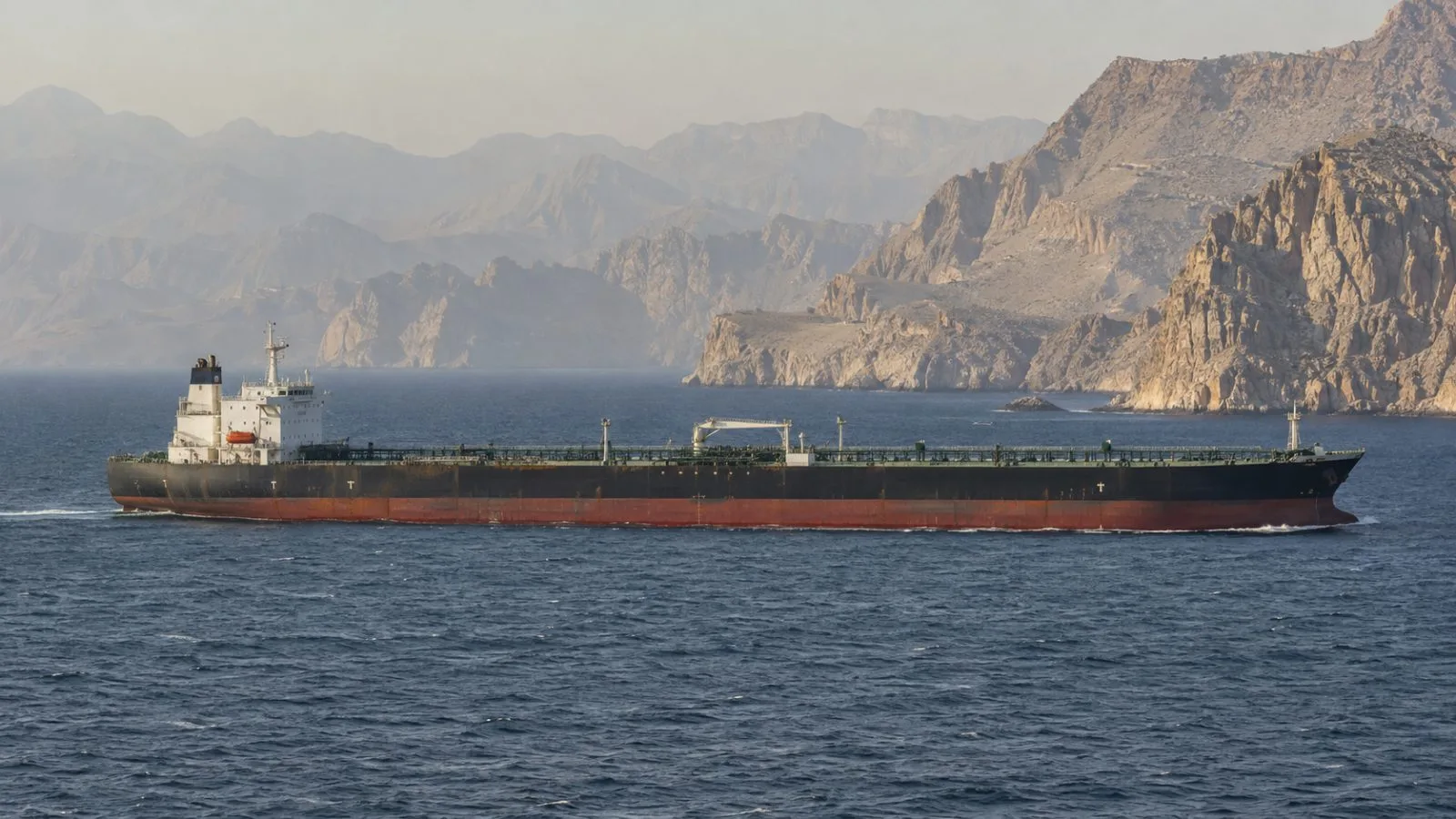
Brent settled at $113.88 a barrel, down $1.93, or 1.67%. Reuters reported the contract also fell Monday, Oct. 26, closing at $115.81. Reuters linked part of Tuesday's decline to diplomatic talks in the Middle East. It also cited shipping interruptions and attacks around the region as reasons supply risks remained on traders' radar.
ING analysts Warren Patterson, the bank's head of commodities strategy, and Ewa Manthey, an ING commodities strategist, said Brent's recent gains suggested investors saw a greater chance of renewed escalation involving Iran. They said the risk premium could begin to fade if there were no fresh strikes after the Nov. 3 vote, even without an agreement between Washington and Tehran. “If we get past the elections without renewed strikes on Iran, that might be enough for the market's risk premium to start eroding,” Patterson and Manthey wrote. Their assessment reflects their reading of market prices; they did not attach a dollar value to the premium.
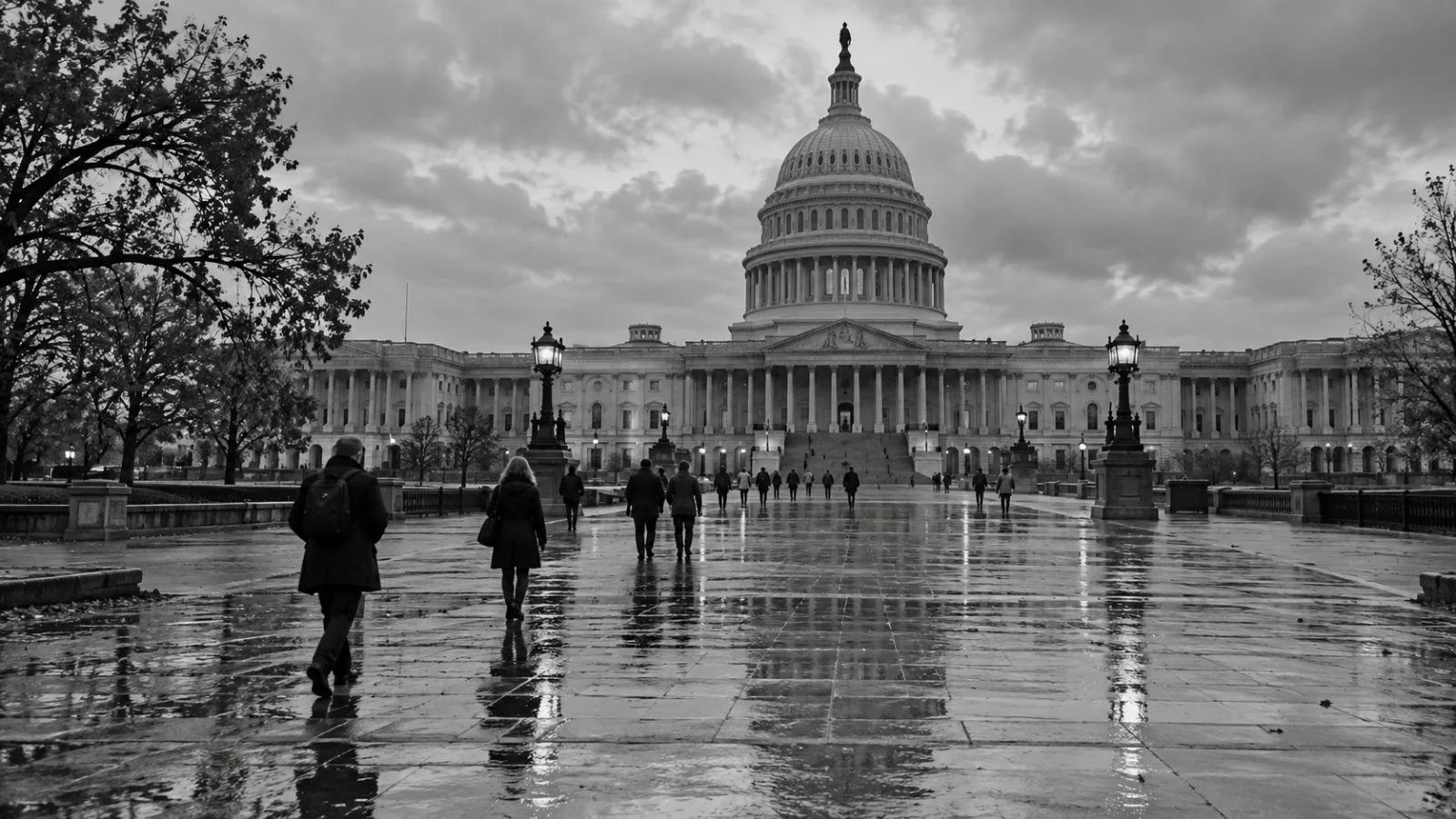
The Federal Election Commission (FEC) lists Tuesday, Nov. 3, as the next regularly scheduled federal general election. Patterson and Manthey said the post-election period could give investors a clearer indication of President Donald Trump's policy toward Iran. EconoTimes previously examined traders' assessment of renewed war risk in Brent pricing.
War-related fuel costs have also become a political issue. The Associated Press reported that higher fuel prices tied to the conflict had fueled voter anger and inflation concerns ahead of the midterms.
The EIA’s weekly petroleum report page shows a 10:30 a.m. ET release time for its main report. ING highlighted the Oct. 28 report as the next data release for oil traders.