A Sanaa family has lost one of its two daily wage earners after a 21-year-old member was killed in Yemen’s conflict, a household blow amid acute hunger affecting millions.
Al Jazeera reported Oct. 31 that Akram, 23, said his brother Abdulaziz died in Dhubab on Oct. 10, about two months after joining Houthi forces. The brothers earned day wages in construction and agriculture and combined their income to support six family members, Akram said. He described Abdulaziz as his “pillar of strength.”
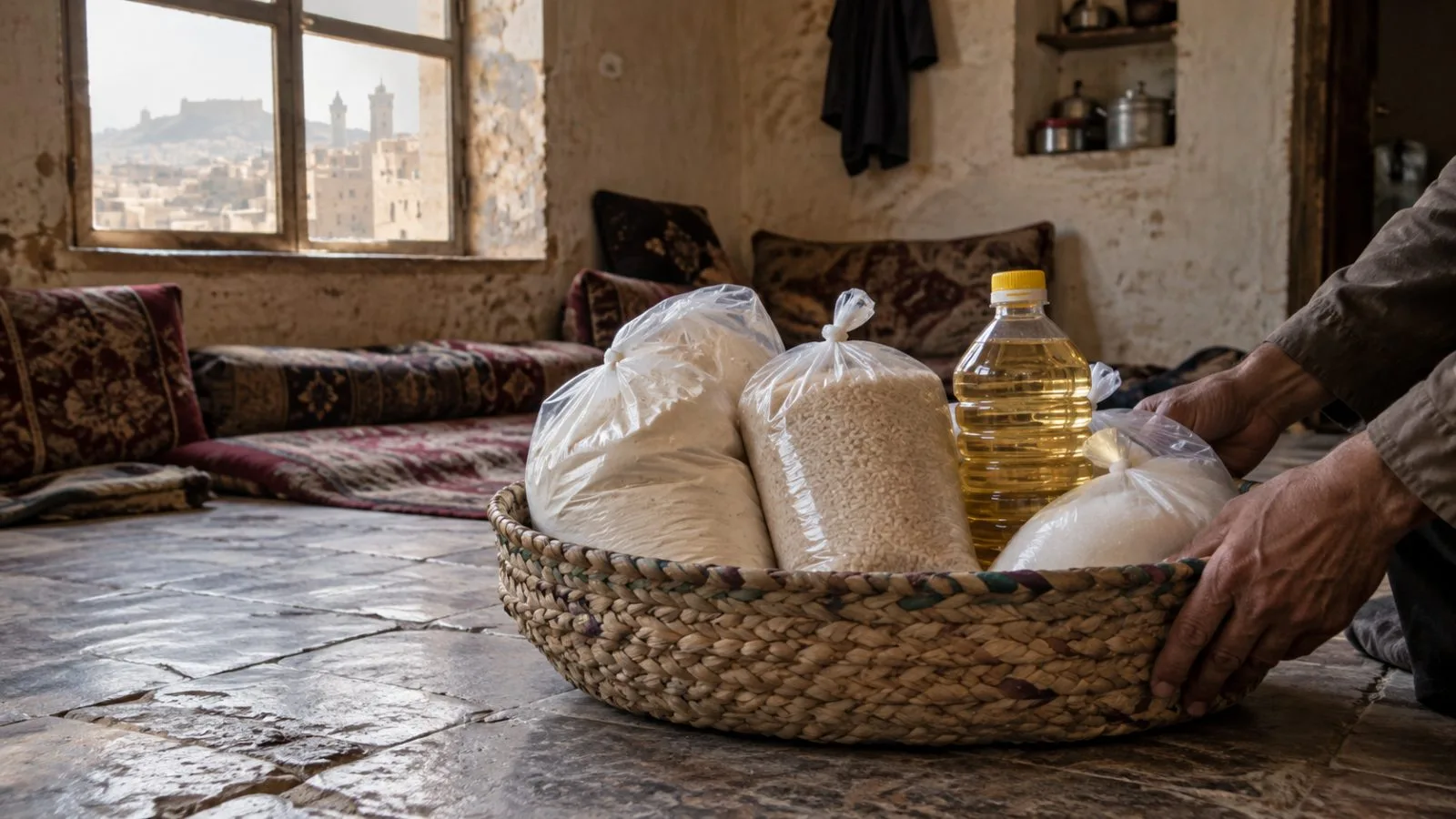
Akram said Houthi authorities gave his family a food basket containing flour, cooking oil, rice and sugar. Ali Yahia, a Sanaa resident whose son was killed four years earlier, told Al Jazeera that deliveries to bereaved families came at uneven intervals, sometimes two to four times a year. Yahia said he considered $200 a month fair support for basic needs; the report did not give an official benefit amount or schedule. Houthi representative Ali Mohammed told Al Jazeera that the growing number of bereaved families was affecting the support shared among them.
WFP’s Oct. 2 update put the number of people facing acute food insecurity in Yemen at 18.3 million. The agency counted 2.2 million children younger than 5 with acute malnutrition, including 500,000 with the severe form. In areas it could monitor, nearly three in four households lacked enough to meet basic food needs, WFP said; that was its highest reading so far this year.
WFP also reported a 10% rise in wheat-flour costs over a two-week span in parts of Taiz. Yemen brings in about 90% of its food from abroad, the agency said, leaving households exposed to supply disruptions and price increases.
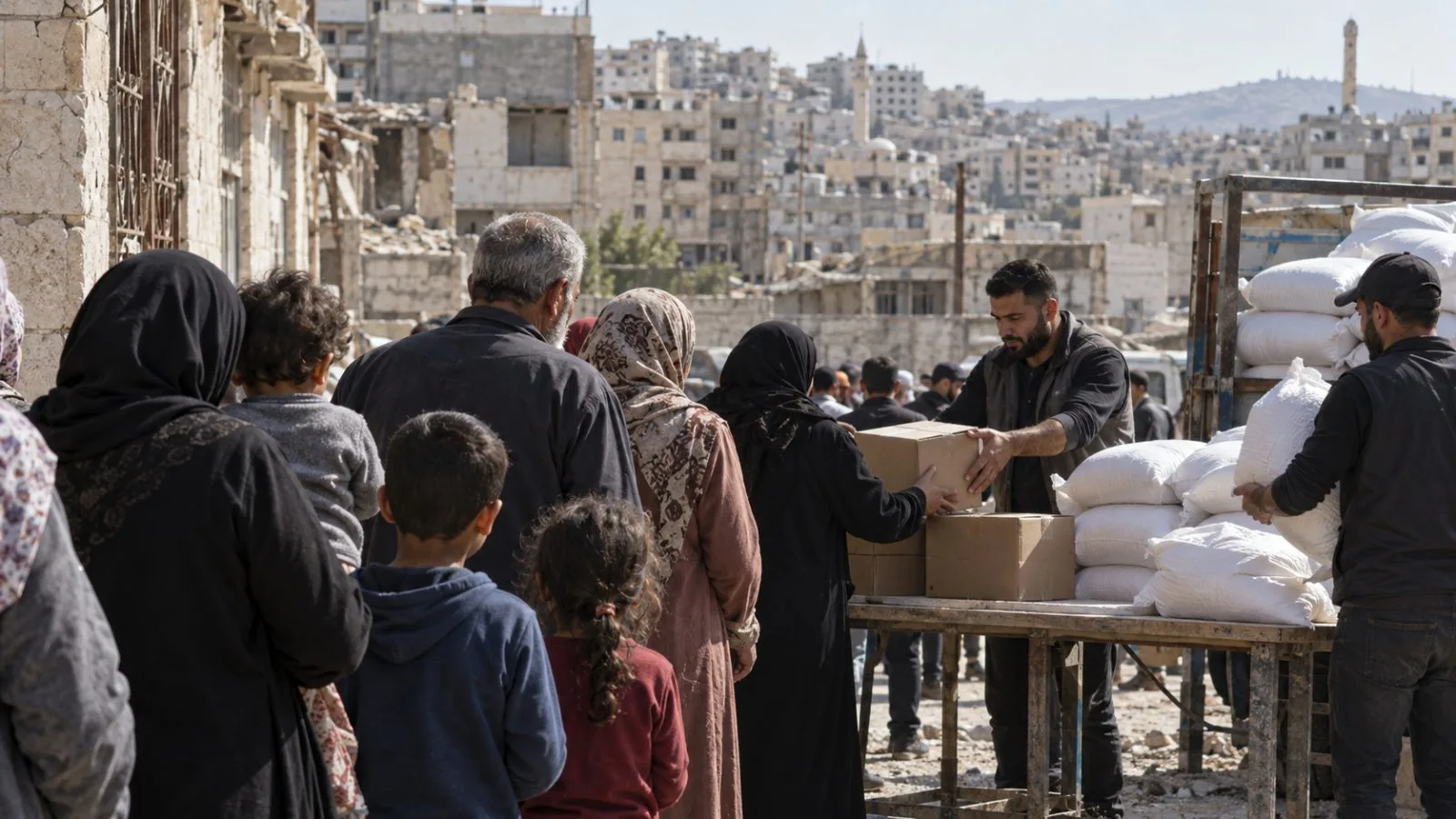
In an Oct. 16 update, WFP said renewed fighting since September had displaced more than 200,000 people, while the country’s internally displaced population exceeded 5 million. The agency said clashes were restricting humanitarian access and funding shortfalls threatened its response. WFP put its funding need through 2027 at $268 million for Yemen operations, including food and nutrition assistance, school meals, resilience activities and critical humanitarian logistics.