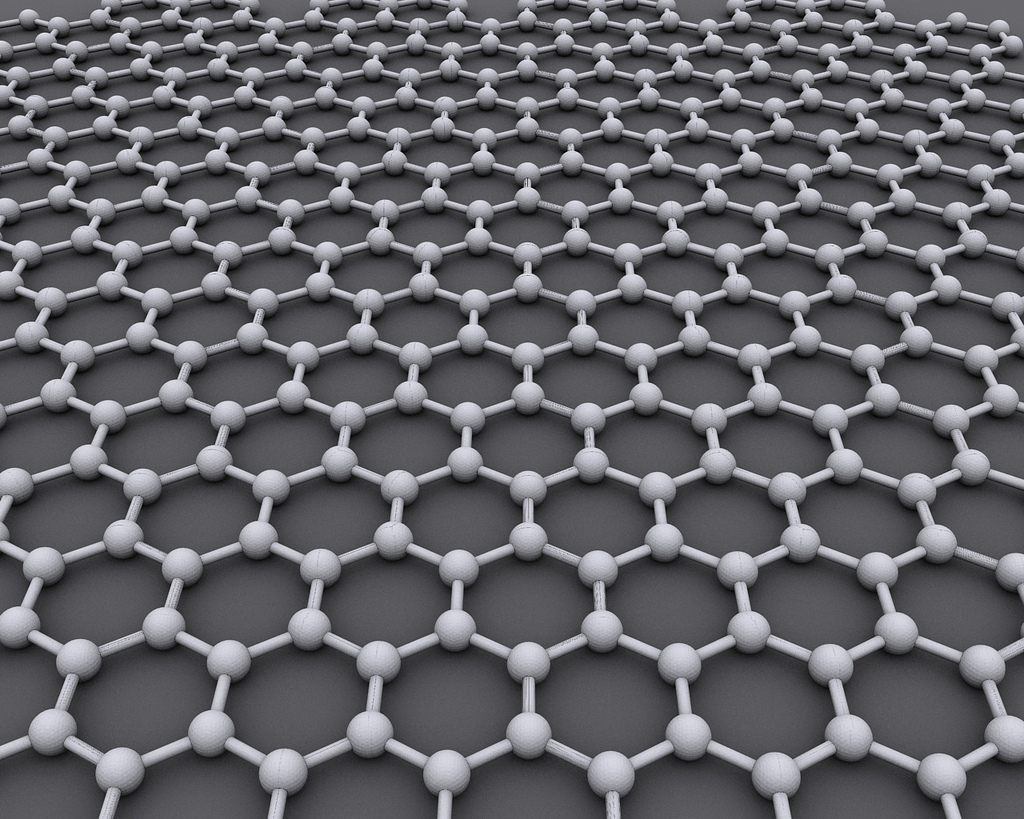
Graphene is known in the science community as one of the most versatile materials in the world. Recently, it showed another surprising property, which is to become bulletproof despite being a million times thinner than a sheet of paper. What’s more, it only takes two layers of the material to actually produce this phenomenon.
Actually, to get the kind of durability that would allow the graphene sheets to resist the impact from a bullet, it should only be two layers. Apparently, the researchers couldn’t produce the same characteristics when adding more layers, Futurism reports.
The discovery was made by researchers at the Advanced Science Research Center’s (ASRC) City University, which is based in New York. They found that by stacking two layers of the material on top of one another, it becomes as tough as diamond. The resulting compound is called diamene and as the lead project researcher behind the discovery, Elisa Riedo notes, it might even be more durable than the hardest natural object in the world.
“Previously, when we tested graphite or a single atomic layer of graphene, we would apply pressure and feel a very soft film,” Riedo said on the ASRC website. “But when the graphite film was exactly two-layers thick, all of a sudden we realized that the material under pressure was becoming extremely hard and as stiff, or stiffer, than bulk diamond.”
Naturally, when talking about bulletproof materials, a lot of people would immediately jump to the conclusion that it would make for excellent armor. It’s bound to be much lighter and thinner than the ones that exist today and that could be the case.
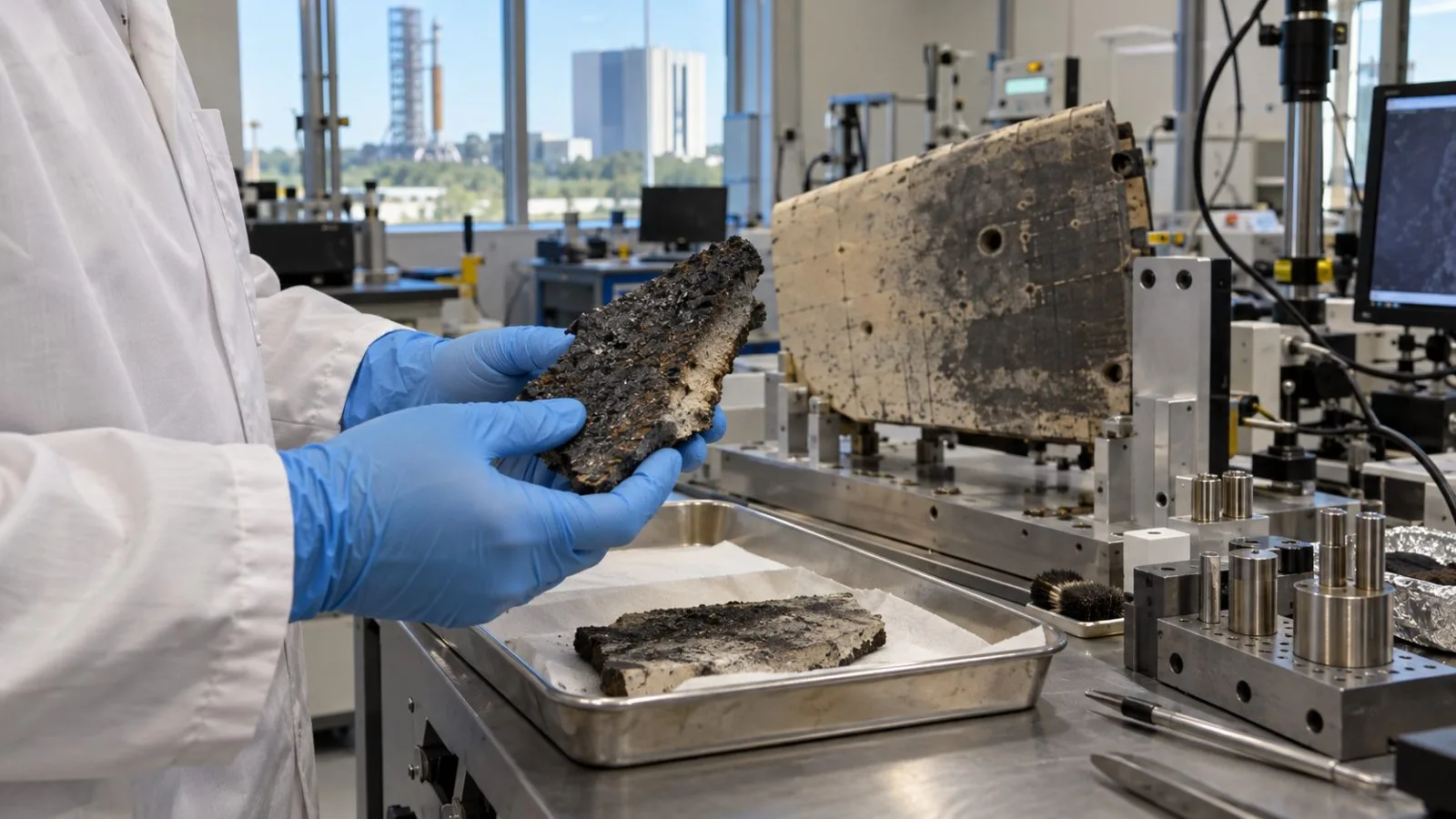
However, the stiffness of diamene could also make it excellent for use as a wear-resistant coating on things like spaceships. If any vehicle needs as much protection as possible, it would be the ones going out into space.