


 The Beauty Beneath the Expressway: A Journey from Self to Service
  Wall Street Ends Mixed as Investors Await CPI and Bank Earnings
  US Charges Maduro and Wife With Torture Conspiracy
  Glastonbury is as popular than ever, but complaints about the lineup reveal its generational challenge
  JD Vance Questions Pentagon Plan to Livestream Fort Hood Shooter’s Execution
  The pandemic is still disrupting young people’s careers
  Moonshot AI Executives Seek Settlement Ahead of Hong Kong IPO
  DWF Labs Sues BitGo for $114 Million Over Alleged Token Sales Breach
  India Voter List Protests Reach Supreme Court as Opposition Demands Election Chief's Resignation
  Stuck in a creativity slump at work? Here are some surprising ways to get your spark back
  ICC Rules Duterte Fit to Stand Trial in Drug War Case
  Gold Prices Hit One-Week High as Oil Falls, Fed Rate Outlook Weighed
  Deutsche Bank CEO Urges Faster German Economic Reforms
  TikTok Accused of Testing Fake Safety Tools on Users
  US Stock Futures Rise as Oil Prices Fall Ahead of Q3 Earnings
  Philippines Current Account Deficit Seen at $19.1 Billion in 2026


 Add as a preferred source on Google
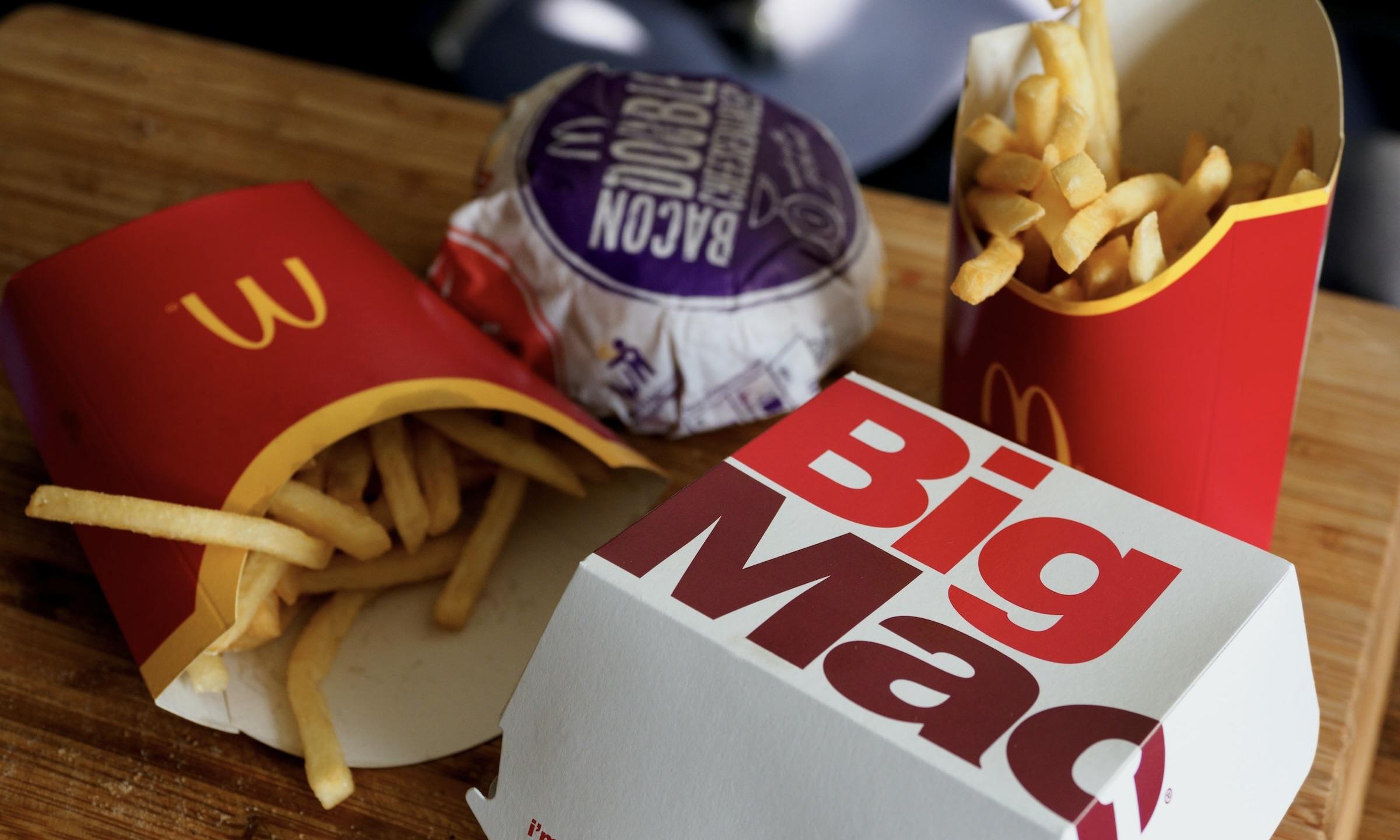
Fast-food giants, including Burger King, McDonald's, Wendy's, and Taco Bell, are facing a surge in lawsuits amid allegations of deceptive advertising, with a recent rise in class action cases spotlighting industry-wide scrutiny.
The Daily Mail reported that the class action lawsuits against Burger King, McDonald's and others have increased by 375%. They are being brought to court individually as many customers started complaining about not getting the kind of food advertised.
These fast-food chains were accused of misleading their customers; thus, they now face multi-million dollar legal cases. It was noted that the suits came after the Dr Pepper beverage brand agreed to a settlement for a similar suit. The company agreed to pay $15 million to settle claims it erroneously said its soda was made with "aged vanilla" while it was synthetically flavored.
Many lawyers warned Burger King, McDonald's, Taco Bell, and more, saying customers will be eating up their profits if they continue to indulge in misleading promotions of their products. Likewise, legal advisers are telling restaurants to stop false advertising, or they could be slapped with multi-million dollar payouts as lawsuits targeting well-known brands are growing.
"There is a legal line. When is it puffery and when is it deceit?" Jeff Galak, a marketing professor at Carnegie Mellon University's Tepper School of Business," commented. "Companies are always trying to ride right up against that line."
More and more consumers are filing lawsuits claiming that fast-food chains are deceptive marketing their products. Burger King is the latest company that was brought to court for alleged false advertisement.
Plaintiffs from different states in the U.S. sued Burger King in March of last year. They said the ads and images on the restaurant's menu boards show Whopper burgers that are 35% bigger than the actual size.
Photos also show burgers with larger meat patties, but the ones served to them were smaller. The complainants said they would not have purchased the burgers if they had known the burgers were actually small in size. In response, Burger King told BBC, "The plaintiffs' claims are false."
Finally, the company's spokesperson further added, "The flame-grilled beef patties portrayed in our advertising are the same patties used in the millions of Whopper sandwiches we serve to guests nationwide," after U.S. District Judge Roy Altman dismissed the claims that BK misled customers.
Photo by: Brett Jordan/Unsplash







