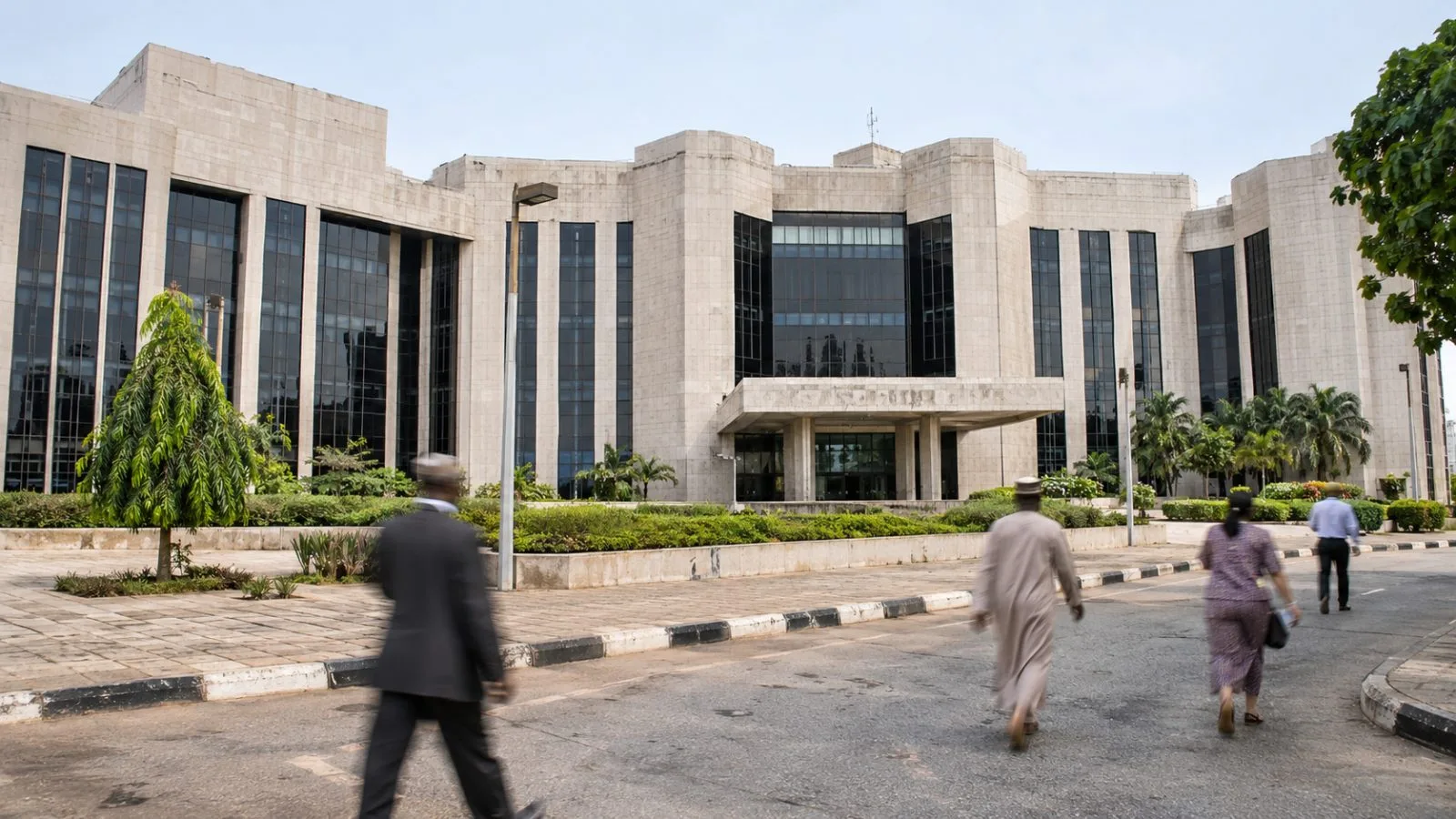
Central Bank of Nigeria officials urged banks to limit AI-agent access at a cybersecurity conference Wednesday, Nov. 18, warning that weak controls could expose institutions and connected payment infrastructure to attacks.
BusinessDay reported the conference remarks, which have not been confirmed against a CBN transcript or recording. Rakiya Yusuf, director of the CBN’s Payments System Supervision Department, called for security to be built into AI deployments, tighter identity and access controls, human oversight, resilience testing and safeguards for AI supply chains, the outlet reported. Yusuf said AI should “never be given more access, authority, or autonomy than the implementing institutions can safely manage.”
Blaise Ijebor, the CBN’s director of risk management, said criminals could use AI to produce convincing messages, imitate voices and writing, create synthetic identities, write malicious code and automate attacks, BusinessDay reported.
A separate report from Anthropic described an operation the company detected in mid-September 2025 that targeted roughly 30 entities. Anthropic said it validated a handful of successful intrusions and assessed with high confidence that a Chinese state-sponsored group carried out the campaign. The company said AI independently performed 80%–90% of tactical operations. Its account did not identify Nigerian banks among the targets.
Digital payment fraud losses fell to ₦25.85 billion in 2025 from ₦52.26 billion in 2024, the CBN’s 2025 Annual Report said. The central bank attributed the decline to improved monitoring, BVN-NIN integration and tighter controls. Its December 2025 Financial Stability Report said internet and mobile channels accounted for about 70% of fraud losses at year-end, with social engineering, phishing and identity-related compromises among the drivers.
The CBN warns that because banks and fintechs share payment infrastructure, a failure at one provider could ripple through the financial system. Its Nigeria Payments System Vision 2028 targets a 50% year-over-year reduction in fraud losses and lists phishing, SIM swaps, account takeovers and insider collusion among persistent threats. The warning follows EconoTimes’ earlier coverage of AI-agent risks to banks.