The Cali Fund has collected just US$7,085 from three companies, leaving a voluntary plan to finance biodiversity protection through corporate payments under scrutiny at a U.N. summit in Armenia.
Agence France-Presse reported the total, which comes more than a year after the fund began operating in February 2025. Two other businesses have pledged US$3,571. The contributors are Britain’s TierraViva AI and Prozomix and Belgium’s E-BIOM, AFP reported.
Adopted at the 2024 biodiversity conference in Cali, Colombia, the fund invites pharmaceutical, cosmetics and biotechnology companies, as well as plant and animal breeders, to contribute 1% of annual profit or 0.1% of turnover. A preparatory document cited by AFP suggested those sectors could provide $1 billion a year.
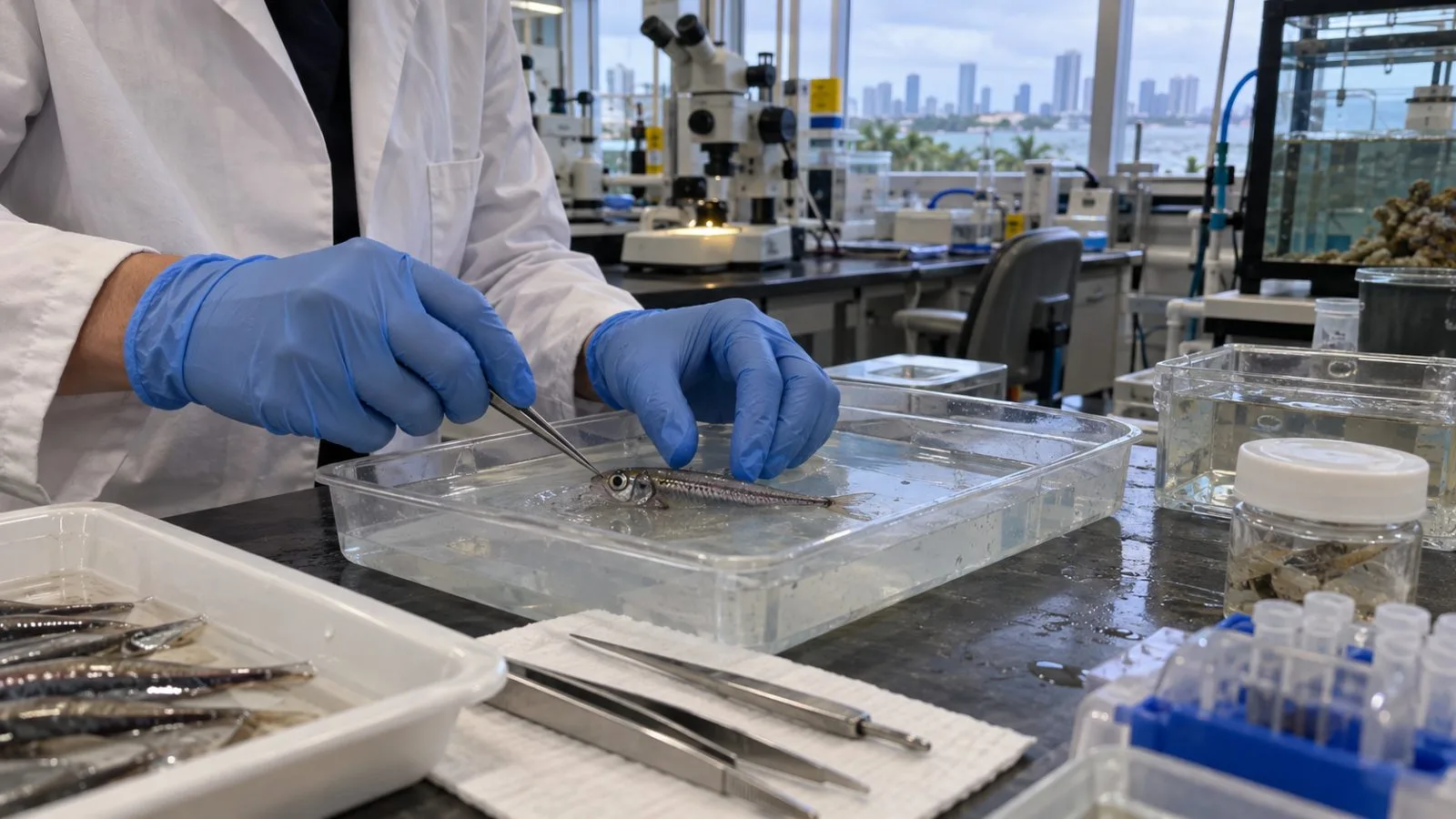
The proposal centers on digital sequence information, or DSI: genetic data from resources including plants, animals, fungi, viruses and microorganisms that is available in digital databases. Companies can use the information to develop products or improve crops. The fund aims to direct some of the resulting economic value toward conservation and the local communities that preserve biodiversity.
Participation is voluntary. Plant-for-the-Planet public policy adviser Pakhi Das told AFP that no country has legislation encouraging contributions to the Cali Fund, and none is considering such legislation. Juliette Landry of the sustainable development think tank IDDRI said uneven incentives could leave companies reluctant to pay while competitors do not.
Companies have raised questions about what happens after they contribute. Vishaish Uppal, a director at WWF-India, said they want safeguards for how payments are used. AFP reported that companies also want national recognition of the fund’s payment certificates to avoid paying twice.
Guilherme Cintra, who handles innovation policy for the International Federation of Pharmaceutical Manufacturers and Associations, said the fund’s sparse participation points to design and implementation concerns, not weak commitment to biodiversity. He also said the mechanism overlaps existing law and rests on inaccurate assumptions about the use of data in drug discovery.
Landry said the early receipts alone cannot establish whether the fund will succeed. The debate sits within the wider effort to reach a $200 billion annual biodiversity finance goal by 2030. Governments are discussing the fund’s future at the Armenia summit, which runs through Oct. 30.