Death is a part of life, an adage usually reserved for those who physically exist in our lives – family, friends, colleagues, acquaintances. So what happens when a profound death experience happens on the screen? Is that still a legitimate experience of mourning?
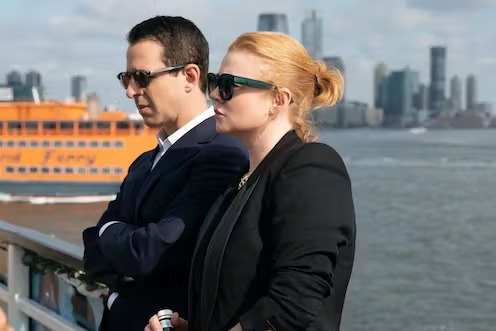
This week, the popular TV show Succession had a significant “on screen” death - where even the cast filming the scene spoke as if the response to the trauma had a very real feeling.
In the same way as the cast, social media reactions to the sudden and unexpected death of a person with a complex character, after four seasons of growing to understand them, can feel like the death of someone you actually know.
The research behind this phenomenon can be found as far back as the 1970s when early understandings around the death of a main character on children’s television served to provide real world insight into the irreversibility of death as a universal experience.
Over time, as popular culture and television became more nuanced, the diversity of the ways in which death occurred in fictional programs began to replicate the complexity of “real” loss in our lives. Via television, we get access to catastrophic loss, multiple casualty events, loss after significant illness – as well as seeing how death impacts the people left behind.
In the most recent episode of Succession, we also see what happens when a death occurs involving a person where their character or relationship to others is strained. We see ways in which grief is not always a byproduct of love.
Why does this grief feel real from an armchair perspective?
Death on screen can also act as a trigger or a reminder of the losses we have endured.
When a show realistically portrays grief in its purest form, the emotive or reflective reaction can unlock our own grief. Engaging with the small screen is an overt act of escapism, often for entertainment. We might be switching on a program with the intention of relaxation, only to be met with trauma and sadness.
When a sudden loss is brought into our lounge rooms, or via the devices on our laps, we experience shock, confusion and anger about the abruptness of an event, just like the feelings we can experience when loss happens suddenly in our real lives.
Safe reporting of sudden and traumatic death on fictional TV shows is not covered by media reporting guidelines. Warnings prior to a scene, or consistent information at the end of an episode about seeking additional support, might be minimal.
Recent research identifies multiple contexts related to warnings where TV shows may note that an episode will explore death, however, the complexity of how this might be portrayed is limited.
What is this grief called?
While there is no rulebook for grief, reacting emotionally to a small screen death can bring about concerns that we look silly or that we lack awareness of the distinction between reality and fiction. This form of parasocial grieving, described as having feelings attached to a pseudo-relationship, does feel real, does have consequences and does need space to be managed.
We don’t all watch the same shows, we don’t all respond to the death of a character the same way, we might even struggle to understand why people have the reactions they do when a TV death occurs. I would encourage you to pause for a moment and remember the ones that did get under our skin.
In 1985, Australian viewers lived through the death of Molly from A Country Practice, where the final image of a mother’s end-stage cancer diagnosis played out while watching her daughter fly a kite.
Teens watching Sarah Michelle Gellar stumble across the sudden untimely death of her mother in Buffy the Vampire Slayer shaped many feelings when there is a catastrophic loss without warning.
In the last decade, the sudden death of Patrick from Offspring had people legitimately calling in sick from work the next day.
The global reaction to the Red Wedding scene in Game of Thrones had forums on Reddit unpacking why so many characters were murdered and sharing the impact of the sights and sounds of blood and murder and traumatic grief.
We engage in a social contract when we connect to a TV show. We expect to be removed from our real life and engage in the viewing of other spaces. Death in those spaces – and the reactions to that loss – can feel as if they break that contract.