Canada and Newfoundland and Labrador approved Equinor’s development plan for the Bay du Nord offshore oil project on Nov. 20, moving the C$14 billion development toward a final investment decision targeted for early 2027.
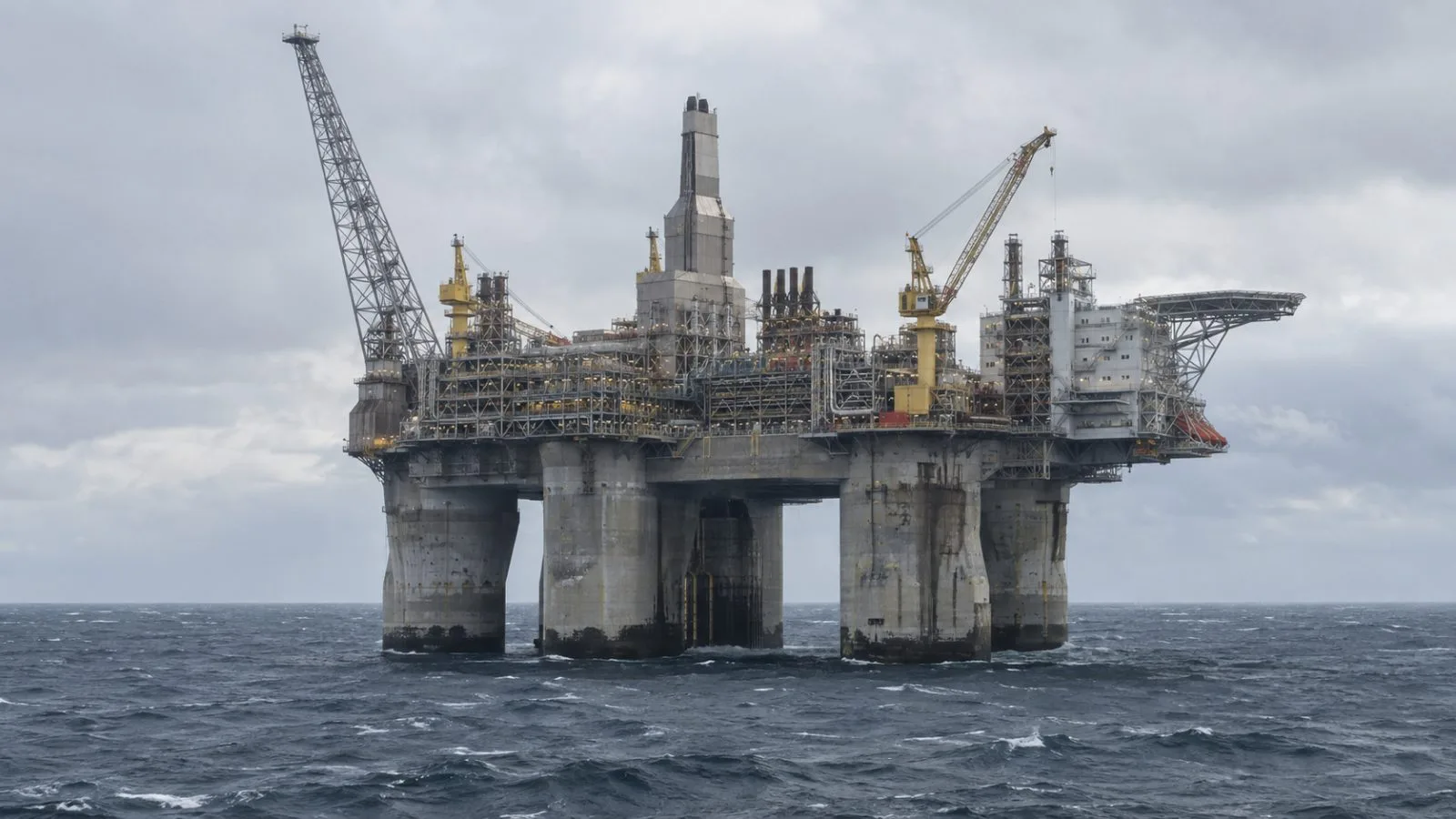
The project is planned for the Flemish Pass Basin, about 500 kilometers east of St. John’s. Equinor and Shell expect drilling to start in late 2029 or early 2030, with first oil targeted for 2031.
The first phase would connect subsea drill centers at the Bay du Nord and Cambriol fields to a floating production, storage and offloading vessel designed to eliminate routine flaring. Equinor’s concept has a gross production capacity of 160,000 to 175,000 barrels of oil equivalent per day.
Equinor will operate the project and retain a 70% interest. Shell Canada Energy agreed in October to acquire a 30% non-operated interest. Shell said the project remains before a final investment decision and that any investment must meet its criteria and compete for capital within its portfolio.
“This is a critical regulatory milestone,” Natural Resources Canada said, describing the approval as enabling the partners to work toward an early-2027 investment decision.
The Canada–Newfoundland and Labrador Offshore Energy Regulator approved the development application Nov. 4 after a 60-day engagement period involving the public, industry and Indigenous groups. Federal environmental approval was granted April 6, 2022, subject to 137 legally binding conditions, including a requirement for net-zero greenhouse-gas emissions by 2050.
The federal government estimates the project could operate for about 20 years, generate C$20 billion in government revenues and add C$50 billion to Canada’s gross domestic product. The Newfoundland and Labrador government estimates approximately C$6.4 billion in direct provincial revenues and more than 31 million person-hours of work over 25 years.
Natural Resources Canada said offshore oil produced in Newfoundland and Labrador has extraction emissions 30% below the global average, while Bay du Nord’s emissions are expected to be 50% below the average for offshore oil projects.
Fisheries Minister Joanne Thompson said, “Bay du Nord matters to Newfoundland and Labrador and to Canada.” The project’s investment decision remains outstanding and will depend on market conditions, further approvals and the companies’ internal processes.