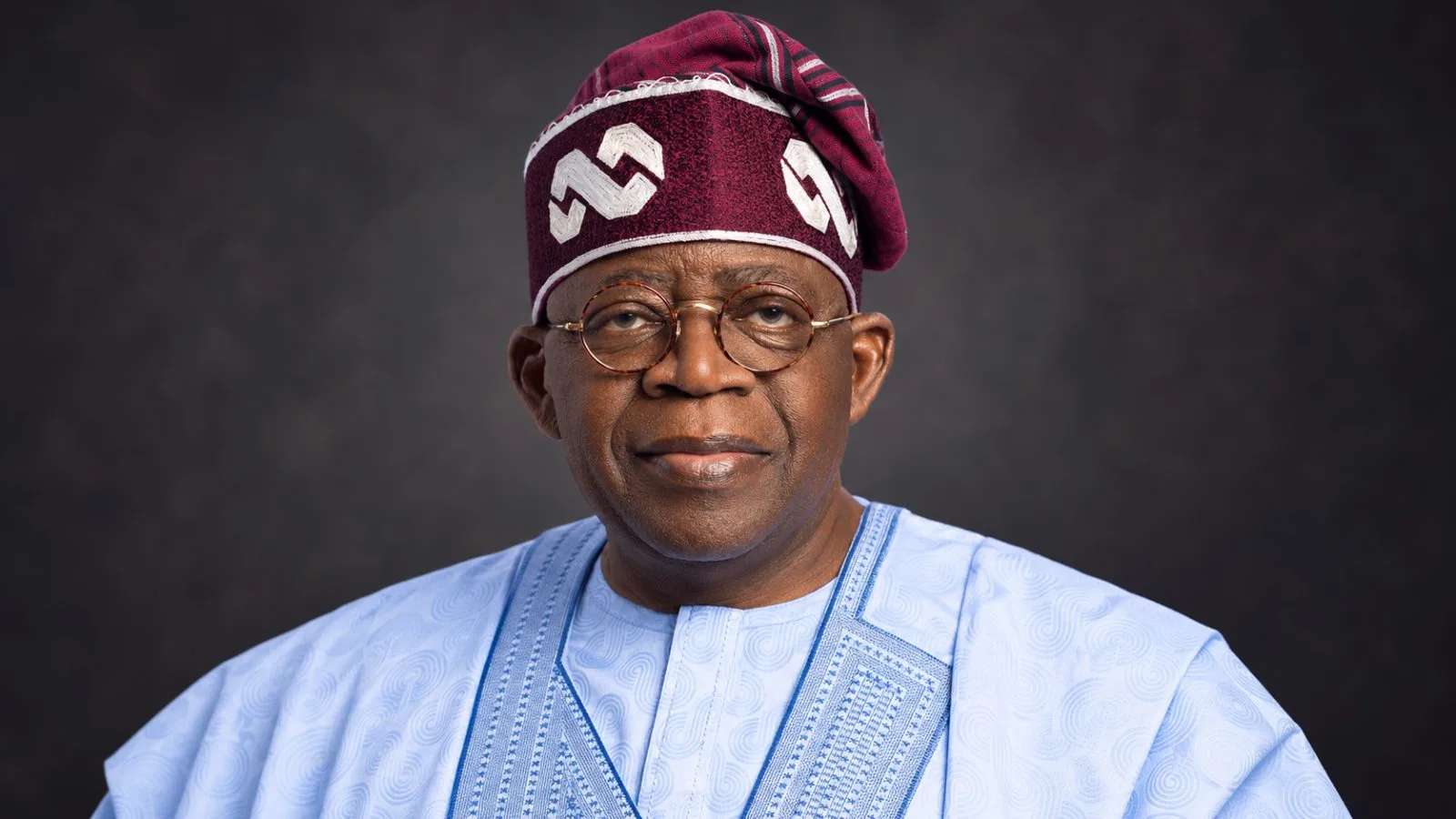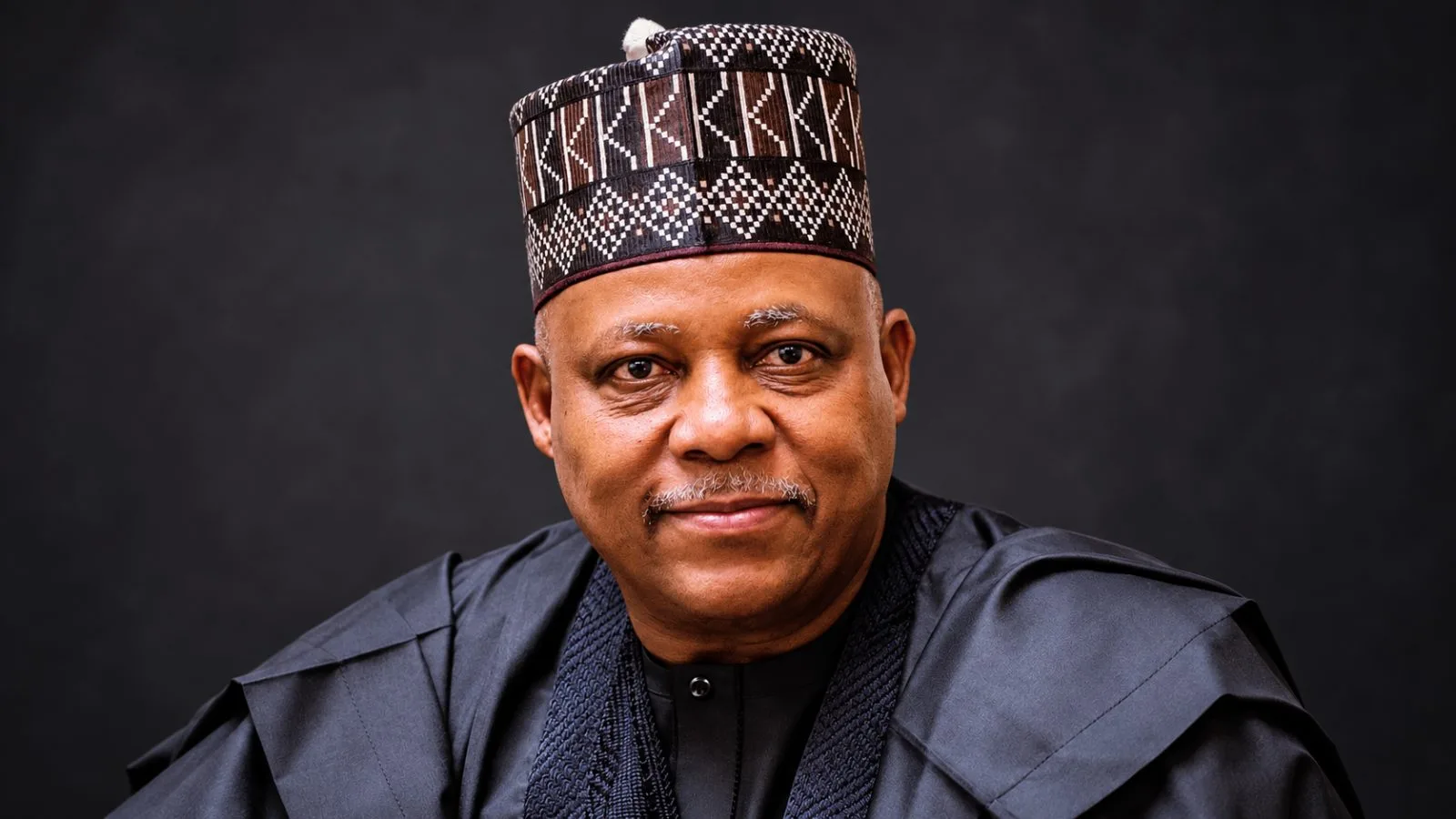
ABUJA — Nigeria’s opposition African Democratic Congress is challenging President Bola Ahmed Tinubu’s reliance on World Bank advice in ending the petrol subsidy, a dispute that highlights pressure on the government’s finances and households.
ADC National Publicity Secretary Bolaji Abdullahi said Tinubu’s administration appeared to follow recommendations from the international lender without adequately weighing their effects on Nigerians, Premium Times reported. “International institutions are entitled to offer recommendations. They are not elected to govern Nigeria. The President is,” Abdullahi said.
The criticism followed former Lagos Gov. Babatunde Fashola’s Nov. 17, 2026, interview on Channels Television’s Politics Today. TheCable reported that Fashola said the World Bank told Nigeria it would lose financing unless petrol subsidies were removed. No World Bank statement confirming the warning was cited in the reports.
Tinubu announced the subsidy’s removal in his May 29, 2023, inaugural address. He said the program increasingly favored the rich, had become too costly as resources shrank, and that ending it would free funds for infrastructure, education, health care and jobs.
Abdullahi also pointed to Section 109 of Nigeria’s Petroleum Industry Act 2021, which allows the Nigerian Upstream Petroleum Regulatory Commission to impose domestic-crude-supply obligations on operating refineries. The provision generally operates through willing-supplier and willing-buyer arrangements and requires commercial negotiations linked to prevailing international prices. It therefore does not guarantee lower petrol prices.
Nigeria’s public debt has risen since the subsidy was removed. Nigeria’s Debt Management Office reported total public debt of ₦166.79 trillion as of June 30, 2026, including ₦91.59 trillion in domestic debt and ₦75.20 trillion in external debt. The comparable figure on June 30, 2023, was ₦87.38 trillion.
BusinessDay reported that the federal government collected ₦5.08 trillion in revenue during the first quarter of 2026, while debt-service obligations reached ₦4.63 trillion, or about 91% of revenue. Those figures were drawn from the quarter’s budget implementation reporting.
The competing accounts leave unresolved how much the subsidy decision reflected domestic fiscal priorities and how much was shaped by external financing concerns.