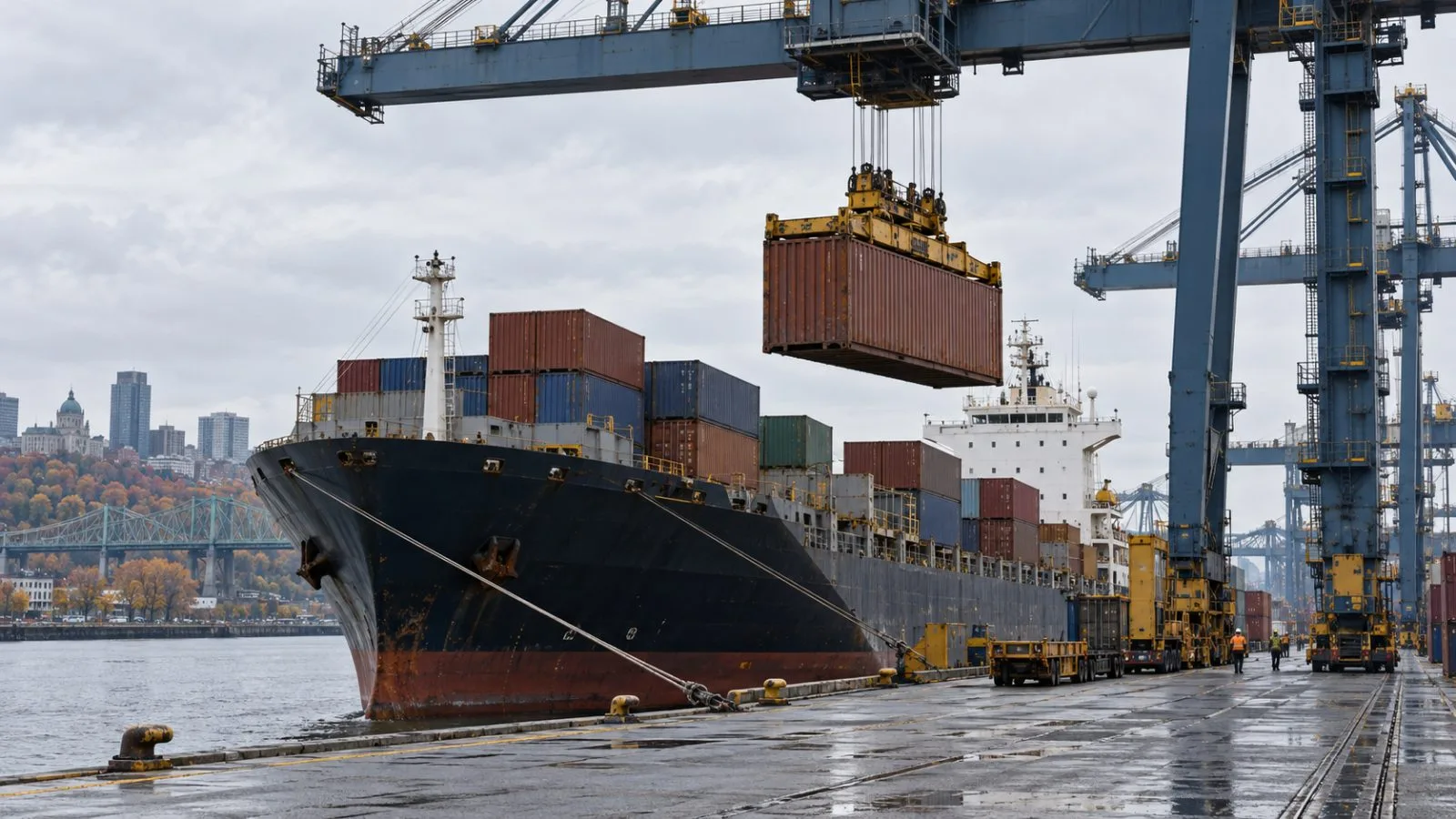
Canada and European Union leaders are meeting in Montreal for a summit on widening economic and security cooperation, while the scale and formal name of closer ties remain under discussion.
Canadian Prime Minister Mark Carney is hosting European Commission President Ursula von der Leyen and European Council President António Costa at the 21st summit, scheduled for Oct. 29-30. The program spans commercial and digital links, critical raw materials, security cooperation, and exchanges in education, research, innovation and youth. The Council of the EU says leaders are expected to launch an “Alliance for the Future” and issue a joint statement when the summit ends.
EU Council figures put two-way trade in goods and services at about €130 billion in 2025, more than 80% higher than in 2016. The Comprehensive Economic and Trade Agreement (CETA) is the existing framework for trade between Canada and the EU.
The proposed closer relationship has no settled form. Von der Leyen proposed in September that Canada could become the EU’s first “associate member.” At an Oct. 29 briefing, European Commission spokesperson Paula Pinho described the Montreal meeting as one stage in developing the proposal, with further talks involving EU member states, the European Parliament and Canada.
Reuters reported that a draft joint declaration it reviewed leaves out “associate member” and instead uses “ever closer association.” The wording comes amid a dispute over the label that EconoTimes has reported on before.
Ottawa says closer ties could expand consumer choice, reduce costs and improve access to export markets. The Canadian government also points to opportunities for young people to live, work and study in Canada or the EU, and wants to connect European market, research and manufacturing strengths with Canadian expertise in energy, critical minerals, space, artificial intelligence and quantum technology. These are government aims, not confirmed outcomes.
Canada says the previous summit, held in Brussels in June 2025, produced a strategic partnership and a separate security and defence partnership. Leaders are expected to set out the next steps in their joint statement at the end of the Montreal meeting.