Canada and the European Union set their 2027 summit as the target for defining a closer association, opening a wider trade and security agenda while leaving the partnership’s formal status unsettled.
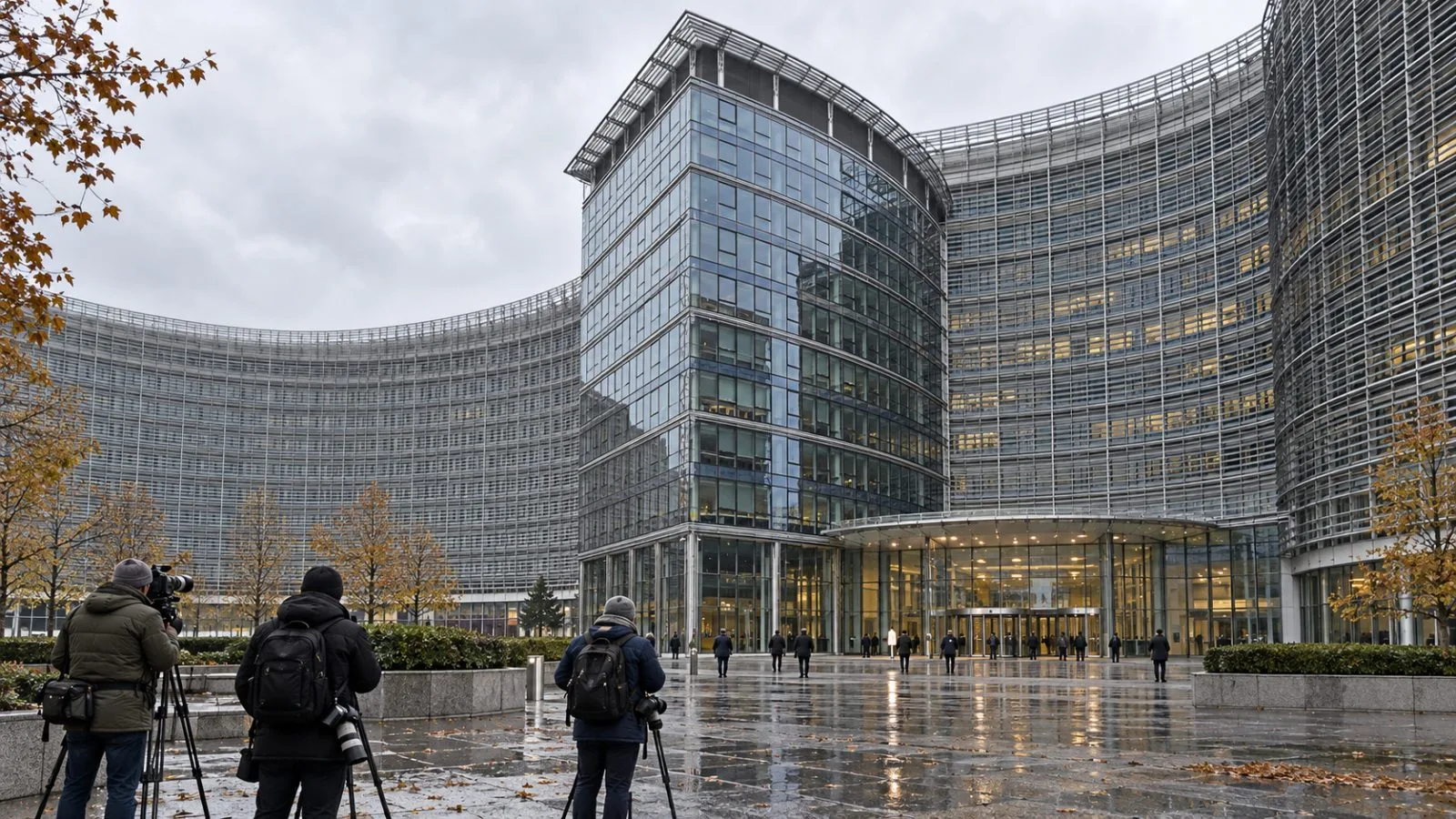
At the 21st EU-Canada summit in Montréal on Oct. 29-30, Canadian Prime Minister Mark Carney, European Council President António Costa and European Commission President Ursula von der Leyen agreed to an “Alliance for the Future.” The joint statement frames cooperation against geopolitical tensions, economic fragmentation, climate change and technological transformation, alongside competition over energy, resources and strategic technologies.
On trade, the leaders said substantive negotiations had concluded on a Digital Trade Agreement designed to complement the existing pact and facilitate cross-border data flows. They also said talks on a second-generation Competition Agreement had ended. The statement did not give a date for the digital agreement to take effect.
Other initiatives remain in progress. The partners plan to work toward connecting their instant payment systems and to negotiate deeper Canadian participation in Erasmus+. Canada has joined the European High-Performance Computing Joint Undertaking; the Canadian government says this will give researchers, innovators and businesses access to the JUPITER supercomputer.
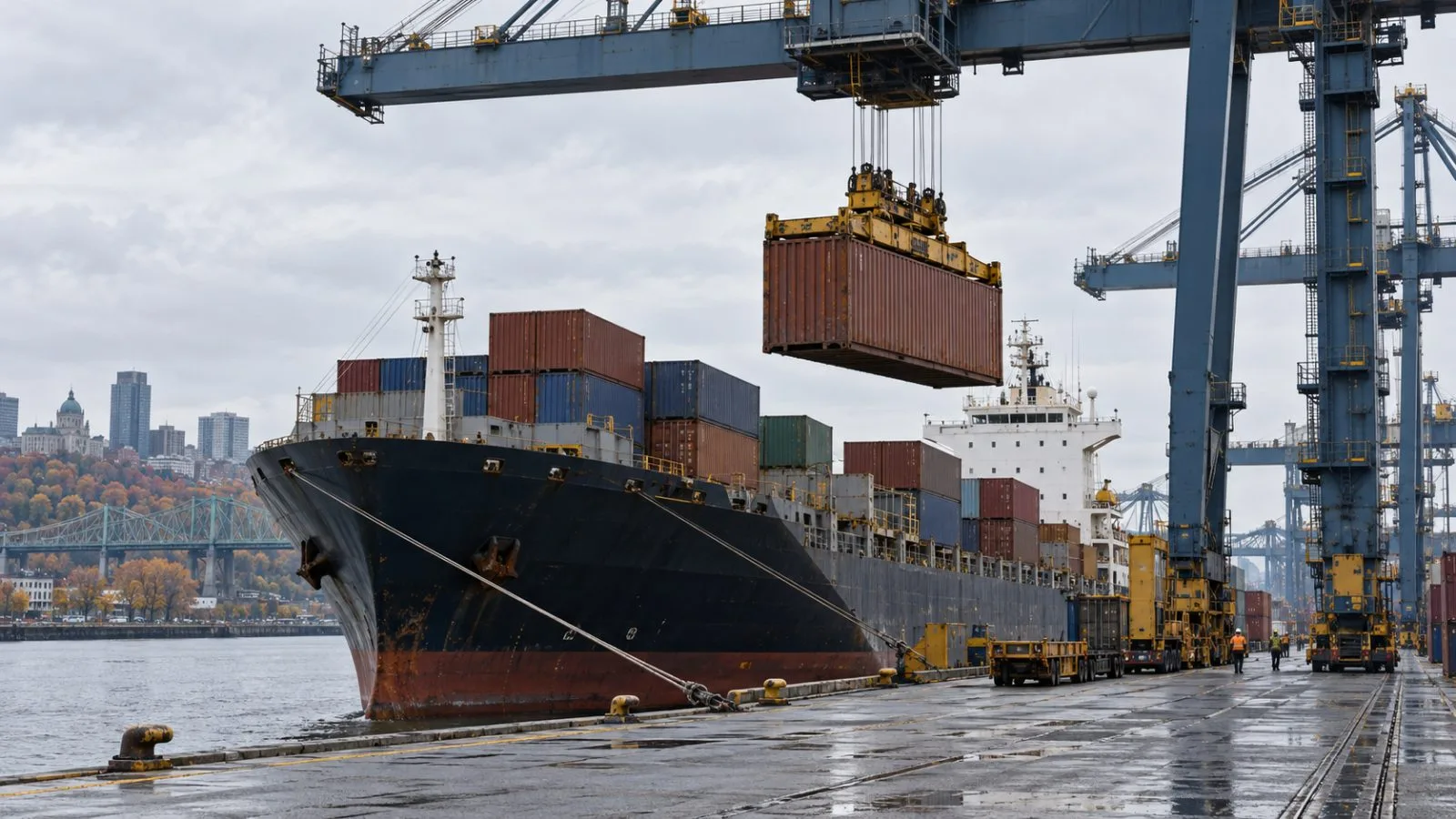
The relationship includes the Comprehensive Economic and Trade Agreement (CETA), which has applied provisionally since Sept. 21, 2017, while EU member states continue its full ratification. EU-Canada trade in goods and services reached €130 billion in 2025, up 80% from €72.1 billion in 2016, according to the European Commission.
The proposed association’s form remains unsettled. Canada’s government has described its aim as making the country the EU’s first “Associate Member,” but that label is absent from the summit statement. The statement instead calls for the sides to define an “ever-closer association” by the 2027 summit, short of full membership. At an Oct. 29 briefing, European Commission spokesperson Paula Pinho said the sides still sought an “ever-closer association,” extending a debate over the label covered before the summit.
The statement identifies workers, businesses, investors, students and researchers as potential beneficiaries, and says cooperation could support employment and incomes. Carney said the effort was tied to national choice: “That is what sovereignty looks like: the freedom to live our lives as we choose, on our own terms.” The leaders set the 2027 summit as the next milestone for defining the association’s concept.