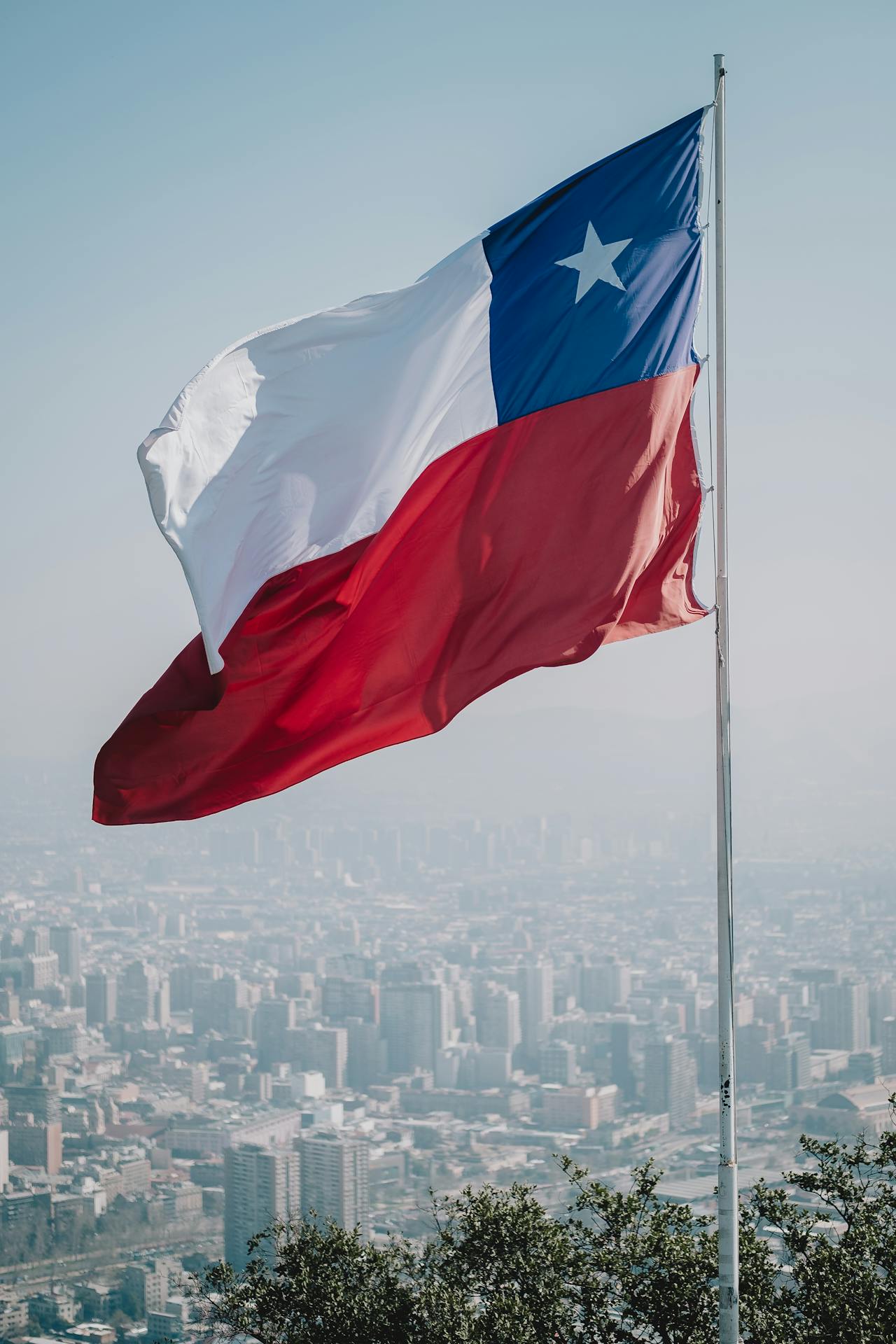
Chile’s Congress has passed a landmark pension reform, set to be signed by President Gabriel Boric. The bill, approved with 110 votes in favor and 38 against, increases employer contributions, raises the guaranteed minimum pension, and restructures the private Pension Fund Administrators (AFP) system.
The pension overhaul was a key promise of Boric, who came to power following mass protests against inequality. Chile’s private pension system, introduced in the 1980s under Augusto Pinochet, has long been criticized for low payouts while AFPs report significant profits.
Under the reform, employer contributions will gradually rise to 8.5%, creating a social security framework to enhance retirement benefits and address gender disparities. Additionally, AFPs will be divided into separate administrative and investment entities, with new pension fund administrators, including international firms, entering the market.
JP Morgan reported that Chile’s pension system managed $186.4 billion as of December 2024, with a net monthly inflow of $320 million. Finance Minister Mario Marcel assured Congress that the reform is fiscally responsible, with periodic review mechanisms.
The government acknowledged concerns over potential job losses due to higher labor costs but emphasized that increased savings would drive economic growth and job creation. Marcel stated that the expected growth would counterbalance the reform’s labor cost impact.
The bipartisan agreement with center-right opposition marks a significant shift in Chile’s pension structure, aiming to improve financial security for retirees while maintaining economic stability.