


 RBA Says ASX Still Falls Short on Governance and Risk Controls
  Central Banks Could Buy 20,000 Tonnes of Gold: BofA
  Fed Unveils Stablecoin Rules Under GENIUS Act
  Asian Currencies Mixed as Yen Slides on BOJ Rate Signals
  Fed’s Hammack Says Bond Yield Surge Is Not Driven by Inflation Fears
  South Korea Exports Set for 16th Monthly Gain on AI Chip Demand
  Japan Factory Output Unexpectedly Falls 1.7% in August
  US Stocks Slip as Treasury Yields Ease, AI Trade Rebounds
  Asian Stocks Rise as Bond Yields Ease Ahead of U.S. Inflation Data
  Gold Rebounds as Oil Falls and Treasury Rout Eases
  Dollar Hits Three-Month High as US Treasury Yields Surge


 Add as a preferred source on Google
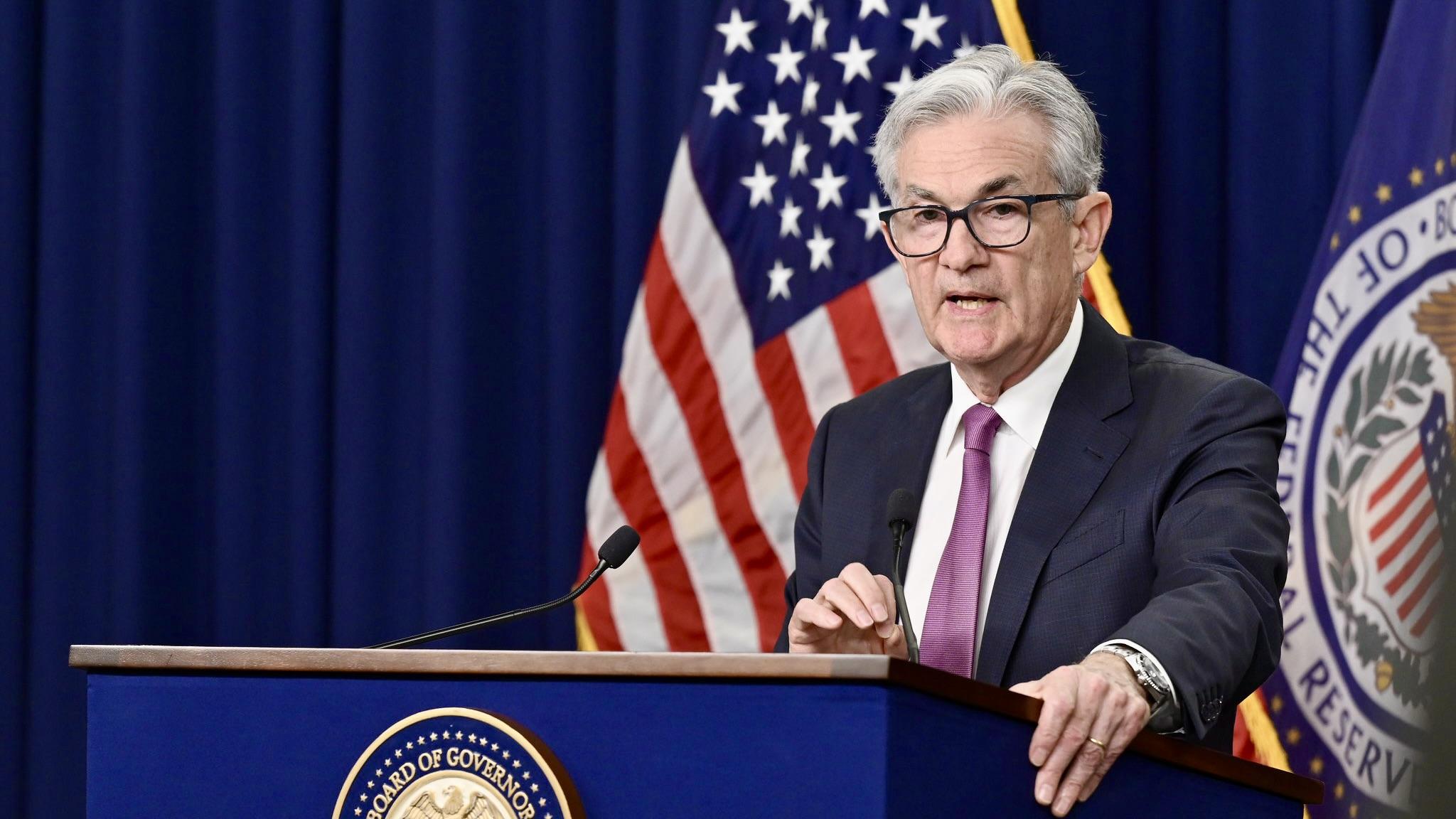
The Federal Reserve left interest rates unchanged Wednesday, as a resilient labor market and stubborn inflation reduced the urgency for further rate cuts after three reductions last year.
The Fed’s policymaking committee kept its benchmark rate steady in a range of 4.25% to 4.50%, signaling a cautious approach as officials weigh the economy’s strength against inflation’s slow decline.
“The unemployment rate has stabilized at a low level in recent months, and labor market conditions remain solid. Inflation remains somewhat elevated,” the Fed said in its statement.
The central bank’s decision underscores growing uncertainty over how restrictive interest rates need to be to keep inflation in check without stifling economic growth.
A key factor in the Fed’s deliberations is the neutral rate, or r*—the theoretical level at which rates neither boost nor slow the economy. Policymakers have raised their estimates of r* multiple times over the past year, suggesting previous forecasts underestimated the rate needed to maintain balance.
“Throughout the four editions of the Summary of Economic Projections in 2024, the long-run median rate has risen from 2.50% to 3.0%,” analysts at Jefferies wrote in a research note. “That suggests policy rates were actually 50 basis points less restrictive throughout the year than previously thought.”
The Fed’s next policy meeting is set for March 19-20, with investors watching closely for signals on whether rate cuts could still be on the table later this year.







