


 Oil Prices Fall on U.S.-Iran Hormuz Deal Hopes
  U.S. Dollar Hits Two-Month High as Oil, Treasury Yields Surge
  Fed’s Hammack Says Bond Yield Surge Is Not Driven by Inflation Fears
  Oil Prices Jump 3% as Houthi Attack Revives Supply Fears
  Europe’s AI Data Centre Boom Strengthens Case for Nuclear Power
  Canadian Dollar Faces Pressure as Fed-BoC Policy Gap Widens
  Trump to Ease U.S. Fuel-Economy Standards
  Japanese Bank Stocks Surge as Bond Yields Fuel Rate Hike Bets
  China Agrees to Buy 20 Million Tons of U.S. Coal
  Trump, Xi Focus on Trade and AI at White House Summit
  Mexico-US Trade Talks Delayed to October as Tariff Negotiations Continue
  Asian Stocks Fall as Surging Bond Yields Rattle Markets
  Dollar Falls as Oil Eases, Yen Jumps on Intervention Signals
  UK PM Burnham to Unveil Economic Vision at Labour Conference
  US Stock Futures Fall as Treasury Yields Surge Ahead of Trump-Xi Summit
  Wall Street Ends Flat as Oil, Treasury Yields and Fed Jitters Rattle Markets


 Add as a preferred source on Google
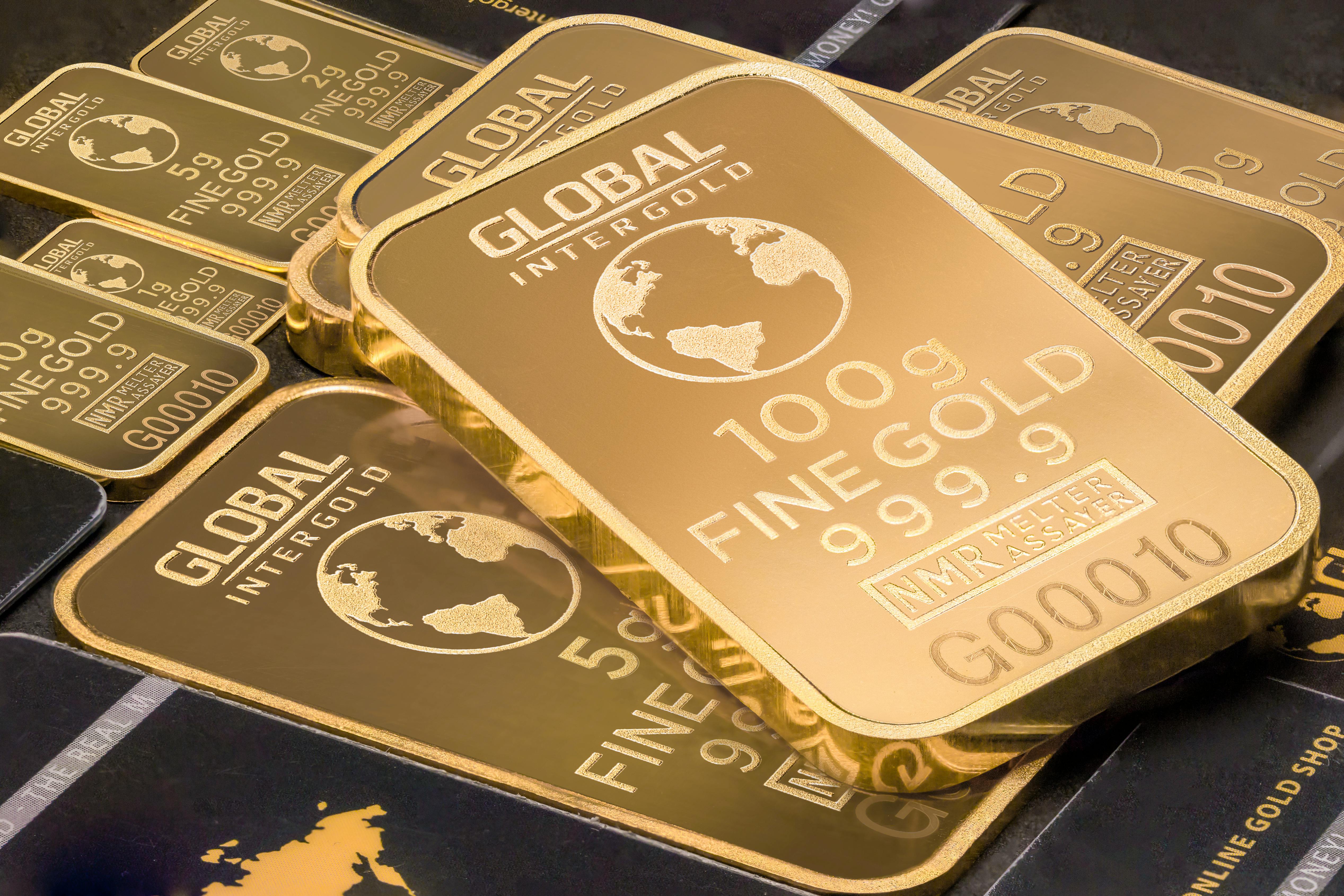
China is strengthening its influence over the global gold market as central-bank purchases, household investment, institutional demand and new trading infrastructure reshape the country’s role in the bullion industry, according to Jefferies analysts.
The People’s Bank of China (PBOC) remains central to the strategy. China’s reported gold reserves increased from about 1,950 tonnes when purchases resumed in November 2022 to approximately 2,366 tonnes by July 2026.
The central bank added roughly 225 tonnes in 2023, marking its largest annual increase on record. Gold buying picked up again in the second quarter of 2026, with about 33 tonnes purchased, followed by another 20 tonnes in July. The July increase represented the strongest monthly purchase since October 2023.
However, China’s official gold demand could be higher than reported. Estimates based on physical consumption, customs figures, investment flows and exports from major refining centers suggest official-sector purchases reached 161.6 tonnes since January 2024. That compares with 130.9 tonnes disclosed by the PBOC, indicating around 30 tonnes of potentially unreported buying.
Gold investment is also expanding beyond China’s central bank. Regulators allowed 10 insurance companies to invest in gold last year, limiting exposure to 1% of assets. A broader expansion of the policy could create another steady source of institutional gold demand.
Chinese households are also increasingly turning to bullion as weakness in the property market, lower bank deposit rates and volatile equities make traditional savings options less attractive. While jewellery consumption has weakened, investment in gold bars, coins and exchange-traded funds remains resilient.
Chinese gold ETF inflows have accelerated significantly since 2023, with Huaan Yifu Gold emerging as one of the country’s largest ETFs by assets under management.
Meanwhile, China is building infrastructure to strengthen its position in global gold trading. Hong Kong is developing a new clearing and settlement platform, a delivery connection with the Shanghai Gold Exchange and an expanded offshore vault network.
Planned Hong Kong gold storage capacity could eventually rise from around 200 tonnes to more than 2,000 tonnes, highlighting China’s ambition to become a larger force not only in buying gold, but also in storing, clearing, settling and trading bullion globally.







