An analysis found that China talked about peace during the Iran war while avoiding direct involvement and profiting by steering clear of the conflict's impact.
In a commentary published November 27 (local time) by Australia's Lowy Institute, titled 'China and the Iran War: Peace Mediator or Profit Seeker?', Grace Vermeulen, a senior visiting fellow at the German Marshall Fund, wrote that "China is unlikely to take on the role of official mediator in a high-risk conflict with little chance of success" and assessed that "China's response to the Iran war has been opportunistic and pragmatic."
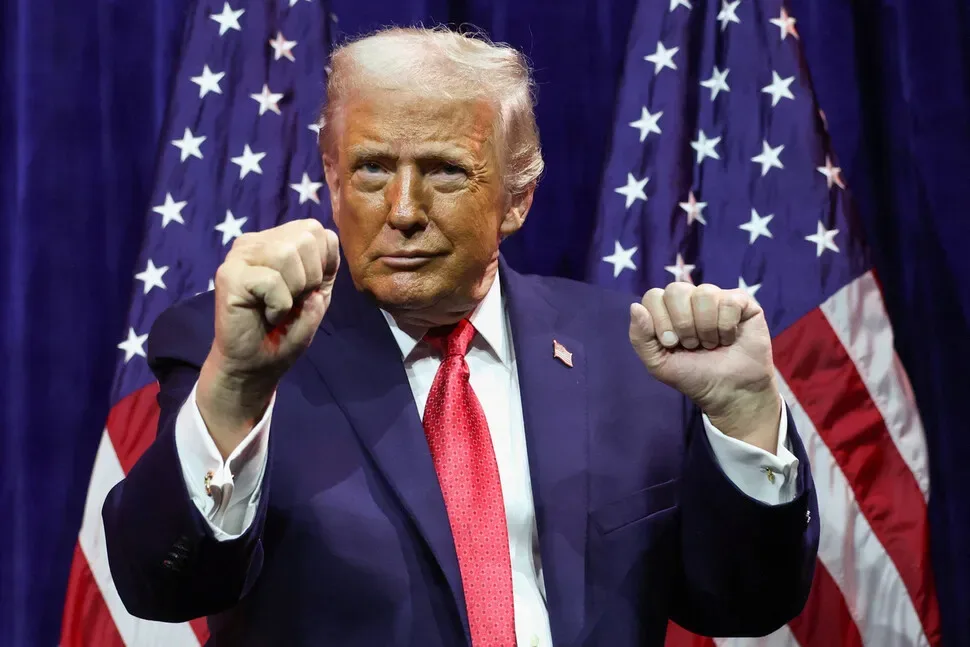
During the Asia-Pacific Economic Cooperation (APEC) summit held last week in Shenzhen, China, the leaders of the United States, Russia and China held a trilateral meeting. The joint statement issued after the meeting did not mention the Iran war or the war in Ukraine, and contained no specific commitments on international security. Vermeulen said the meeting dashed hopes that Chinese President Xi Jinping would help U.S. President Donald Trump find a way out of the Iran war. China was assessed to have gained a favorable reputation among developing countries in Asia, Africa and Latin America while avoiding the war's economic shock.
She also pointed out that China was prepared for the Iran war in several ways. By December 2025, when President Trump was warning of military action against Iran, China had built the world's largest crude oil reserves. This was largely thanks to imports of cheap Russian and Iranian crude by so-called "teapots," small private refineries. The reserves totaled about 1.4 billion barrels, estimated to equal 110 to 140 days of net imports. That reduced its energy dependence on the Strait of Hormuz by the same measure.
Along with its crude reserves, China weathered the latest energy crisis relatively well by investing in non-fossil energy and expanding the electrification of its economy. Other Asian countries had to buy energy at high prices or cut consumption. Vermeulen said this experience confirmed China's longstanding concerns about strategic sea lanes such as the Malacca-Taiwan route. It also solidified the view that dependence on those routes should be reduced through low-carbon industrial policy. The analysis found that China had demonstrated it could protect energy security by reducing demand and had acquired economic tools that affect international oil prices.
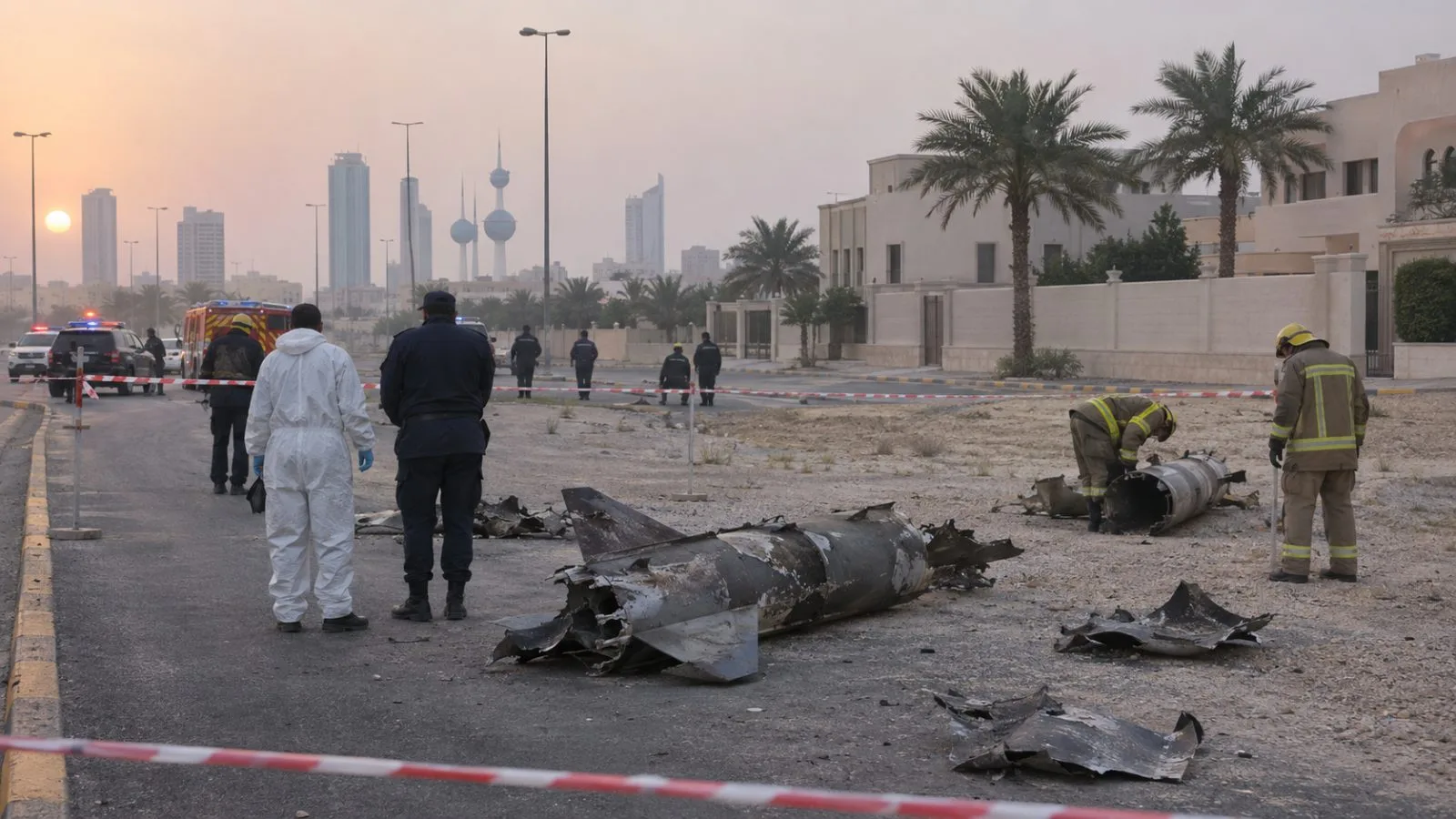
She also said the Iran war had exposed the limits of the U.S. military. Iran did not defeat the United States, but its cheap missiles and drones exposed weaknesses in the costly interceptor systems of the United States and its allies across the Gulf. It also became clear that the United States was rapidly depleting precision-guided weapons and air-defense interceptors, leaving insufficient reserves needed to defend Taiwan. The redeployment of military assets from the Indo-Pacific to the Middle East also raised questions about U.S. readiness.
She assessed that the United States' launching of another regime-change war in the Middle East and its inability to find an exit had benefited China's reputation. China does not intend to take responsibility for Middle East security, but seeks to distinguish itself from the United States by emphasizing noninterference in internal affairs, national self-determination and, selectively, adherence to international law. In opinion polls over the past several years, people in the Middle East rated China more favorably than the United States.
Vermeulen noted, however, that China is not a neutral country. While publicly supporting peace talks and ceasefires, China was reportedly supplying Iran with missile systems and dual-use components used to manufacture drones. She pointed out that satellite imagery and intelligence provided by China were used by Iran to threaten vessels in the Strait of Hormuz and carry out precision strikes on U.S. military bases in the Middle East. The Iran-backed Houthi rebels were also reportedly manufacturing ballistic missiles with Chinese components and are again engaged in fighting with Saudi Arabia. As in 2024, China sought to protect maritime shipping through the Bab el-Mandeb Strait by reaching a separate agreement with the Houthis.
She predicted that China's mediation would remain a form of "quasi-mediation diplomacy" that raises its symbolic standing while reducing political risks. She explained that the same pattern was seen in the normalization of relations between Saudi Arabia and Iran in 2023 and in the Israeli-Palestinian conflict. China appears to share the U.S. goal of preventing Iran's nuclear proliferation, she said, but would see strategic benefits in the United States' attention shifting away from the Asia-Pacific. She added that it remained unclear whether China could fully control Iran and establish an effective diplomatic exit.
"China has ample reason to talk about peace, but not many reasons to push for peace," Vermeulen concluded. "If President Trump wants an exit from the Iran war, he will have to find it without President Xi."