


 Australia Budget Deficit Narrows to A$22.3 Billion on Stronger Tax Revenue
  Yen in Focus as BOJ, Fed Rate Hikes Reshape Currency Markets
  BOJ Set for 25-Basis-Point Rate Hike as Yen Weakness Fuels Inflation
  China Industrial Profit Growth Slows as Weak Demand Offsets AI Gains
  Nvidia China Chip Sales Report Sends Chinese Semiconductor Stocks Lower
  Fed Unveils Stablecoin Rules Under GENIUS Act
  China Cuts Tariffs on U.S. Farm Goods but Excludes Soybeans
  South Korea Tax Windfall Could Top 50 Trillion Won on Chip Boom
  US Dollar Hits Two-Month High as Aussie, Pound Slide
  RBA Says ASX Still Falls Short on Governance and Risk Controls
  Gold Holds Near Seven-Week Low as Fed Rate Hike Bets Rise
  Gold Plunges 4% as Treasury Yields Surge and Fed Rate Hike Bets Rise
  Japanese Yen Retreats as Dollar Rises Ahead of Fed, BOJ Rate Decisions
  ECB May Stop Rate Hikes After December, Capital Economics Says


 Add as a preferred source on Google
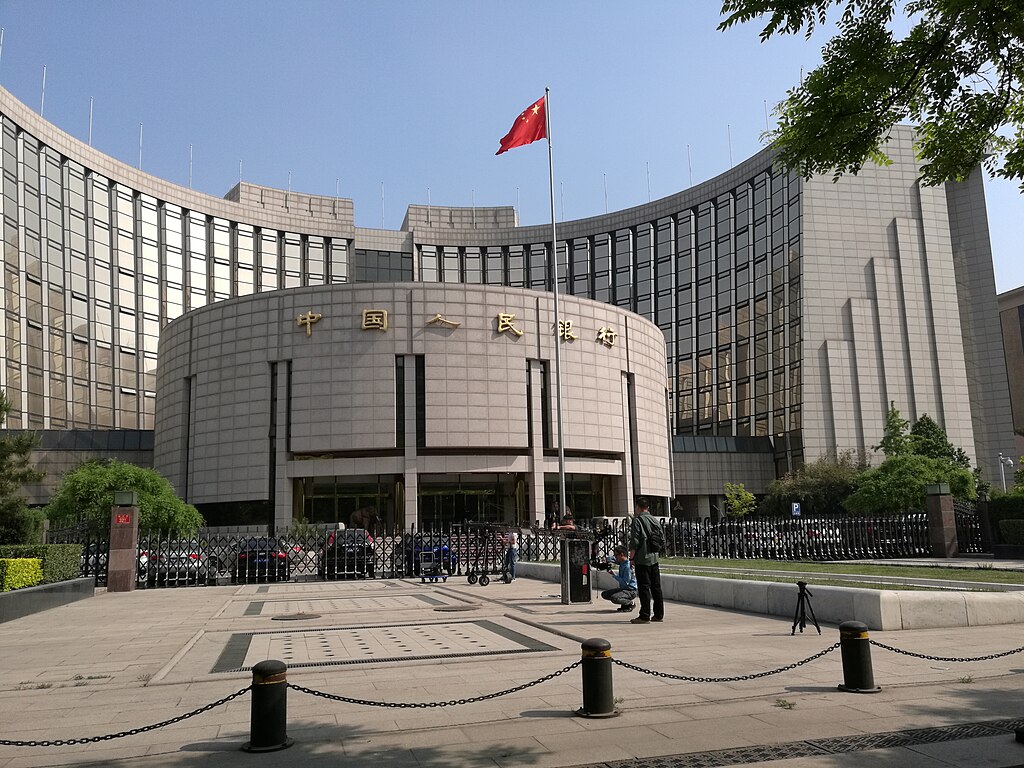
China’s central bank has introduced its new overnight reverse repo operation, setting the interest rate at 1.25%, according to a Reuters report citing people familiar with the matter. The move marks another step in the People’s Bank of China’s (PBOC) ongoing efforts to modernize its monetary policy framework and improve short-term liquidity management in the financial system.
The newly announced overnight reverse repo rate is 15 basis points lower than the current seven-day reverse repo rate of 1.4%, which remains China’s primary benchmark policy rate. By establishing a separate overnight rate, the PBOC aims to strengthen its ability to guide short-term funding costs and enhance the efficiency of interbank lending.
The decision surprised financial markets, as analysts and traders had widely expected the overnight reverse repo rate to be set between 1.30% and 1.35%. Instead, the lower-than-anticipated 1.25% rate signaled a more accommodative stance toward short-term liquidity conditions.
The launch of the overnight reverse repo facility represents a significant development in China’s broader monetary policy reforms. Reverse repo operations are widely used by central banks to inject liquidity into the banking system by purchasing securities with an agreement to sell them back at a later date. By adding an overnight tool alongside its existing seven-day operation, the PBOC gains greater flexibility in managing daily cash conditions and stabilizing money market rates.
Market participants will closely monitor how the new overnight reverse repo operation interacts with the existing seven-day policy rate and whether it influences future monetary policy decisions. The introduction of the facility also reflects China’s continued efforts to refine its interest rate framework, improve financial market transmission mechanisms, and support stable economic growth amid evolving domestic and global economic conditions.
The latest move underscores the PBOC’s commitment to enhancing liquidity management while providing policymakers with an additional instrument to guide short-term borrowing costs in the banking sector.







