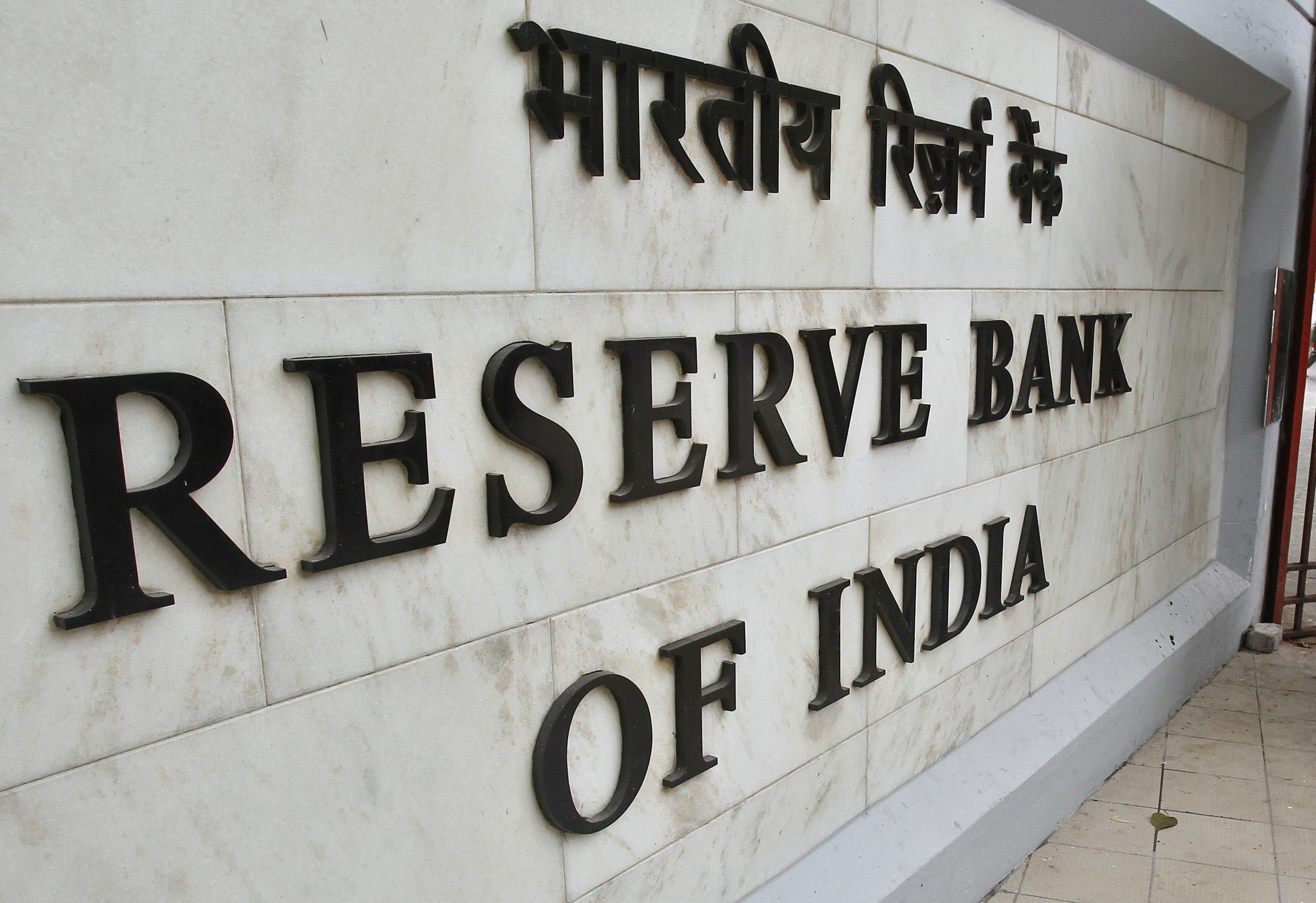
The Reserve Bank of India (RBI) kept its benchmark repo rate unchanged at 5.25% on Wednesday, matching market expectations as policymakers balanced rising inflation risks with steady economic growth and ongoing global uncertainty.
The six-member Monetary Policy Committee (MPC) unanimously voted to maintain the repo rate and retain its neutralmonetary policy stance. The central bank also left the Standing Deposit Facility (SDF) rate unchanged at 5.00%, while the Marginal Standing Facility (MSF) rate and the bank rate remained at 5.50%.
RBI Governor Sanjay Malhotra said geopolitical tensions in West Asia, uncertainty over U.S. tariff policies, and disruptions to global trade routes continue to create volatility in commodity prices, currencies, and financial markets. These external risks, combined with inflation concerns, influenced the central bank’s decision to keep interest rates steady.
The RBI noted that headline inflation has risen above its target, mainly driven by higher food and fuel prices, although underlying inflation remains relatively contained. The central bank emphasized that additional clarity on the inflation outlook and its composition is needed before considering any change in monetary policy.
Reflecting these concerns, the RBI raised its consumer price inflation forecast for fiscal year 2026/27 to 5.0%, with inflation expected to peak at 5.9% during the third quarter before easing later in the year.
Despite inflationary pressures, the central bank maintained its GDP growth forecast for fiscal 2026/27 at 6.7%, supported by resilient domestic demand, expanding manufacturing and services sectors, and strong export performance. Growth is projected at 7.0% in the first quarter of 2026/27 and is expected to improve to 7.3% in the first quarter of fiscal 2027/28.
The policy decision comes as the Indian rupee has recovered from recent record lows, helped by declining crude oil prices and RBI measures introduced in June to attract foreign capital and strengthen the currency. Following the announcement, the USD/INR pair fell around 0.3% to 95.09, reflecting a modest gain in the rupee after the central bank maintained its policy stance.