


 Amazon Cuts More Jobs as AI Investment Expands
  Syndax Stock Drops 15% After Axatilimab Trial Failure
  Nasdaq Faces Pullback to 26,225 Despite Bullish Outlook, UBS Says
  Canton Network Expands in South Korea With Major Partnerships
  Gold Prices Rise as Dollar Weakens, Treasury Yields Fall
  TSMC Q3 Revenue Beats Estimates as AI Chip Demand Surges
  US Suspends Microsoft, Adobe From Green Card Program
  Oil Prices Trim Gains After Trump Rules Out Iran Strikes Before Midterms
  Oil Prices Slip as Trump Rules Out Iran Strike Before Midterms
  Russia Approves Sberbank for Crypto Exchange Services
  Iran Refuses to Halt Uranium Enrichment Amid US Nuclear Demands
  IMF, World Bank Meetings Face Global Economic Risks Amid Iran War
  Samsung Q3 Profit Hits Record High on AI Memory Demand
  Apple Supplier Luxshare Sees Limited Impact From US Patent Probe
  Samsung, SK Hynix Shares Fall as China's CXMT Advances DRAM Technology
  OpenAI Revenue Hits $50 Billion, Below Earlier $70 Billion Estimate
  PepsiCo Slashes Poppi Earnout Valuation as Growth Slows


 Add as a preferred source on Google
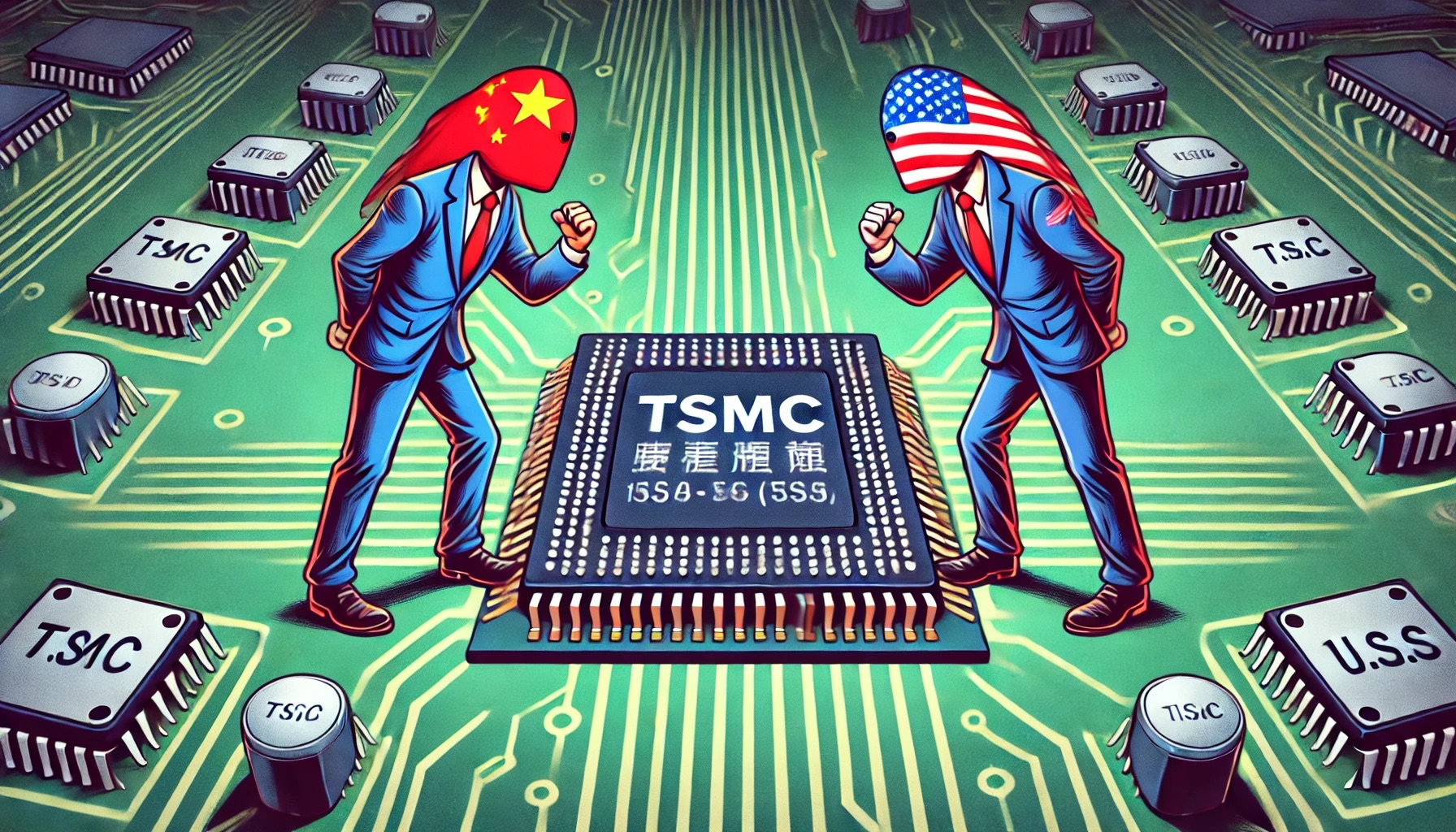
China’s Taiwan Affairs Office condemned recent U.S. restrictions on TSMC chip exports to Chinese firms, claiming the U.S. is weaponizing Taiwan’s tech industry to increase Taiwan Strait tensions. This statement marks China’s first official response to the export limits.
China Criticizes U.S. for Escalating Taiwan Tensions through Chip Restrictions
China's Taiwan Affairs Office stated on Wednesday that a United States directive to Taiwan Semiconductor Manufacturing Co. to block shipments of advanced chips to some Chinese clients demonstrated that the United States was "playing the Taiwan card" in order to increase tensions in the Taiwan Straits. The order was reported by Reuters.
According to Zhu Fenglian, a spokeswoman for China's Taiwan Affairs Office, the United States intended to make the situation with Taiwan even more difficult, and she stated that such a move would be detrimental to the interests of multinational corporations based in Taiwan. When she was at a news conference, she was questioned about the reports.
The remarks are the first public response from China following a report by Reuters on Sunday stating that the United States had instructed TSMC to comply with the order. An individual who is aware with the situation stated that TSMC had stopped the shipments beginning on Monday.
Advanced AI Chips at Center of U.S.-China Tech Dispute
Chips like this are frequently utilized in applications that include artificial intelligence. This comes at a time when members of both the Republican and Democratic parties have expressed concerns regarding the inadequacy of export controls on China and the enforcement of these limits by the Commerce Department, US News points out.
The United States Department of Commerce was informed by TSMC a few weeks ago that one of its chips had been discovered in a Huawei artificial intelligence processor.
Huawei, the Chinese technology giant that is at the core of the action taken by the United States, is on a restricted trade list. This means that suppliers are required to get permits in order to ship any goods or technology to Huawei.







