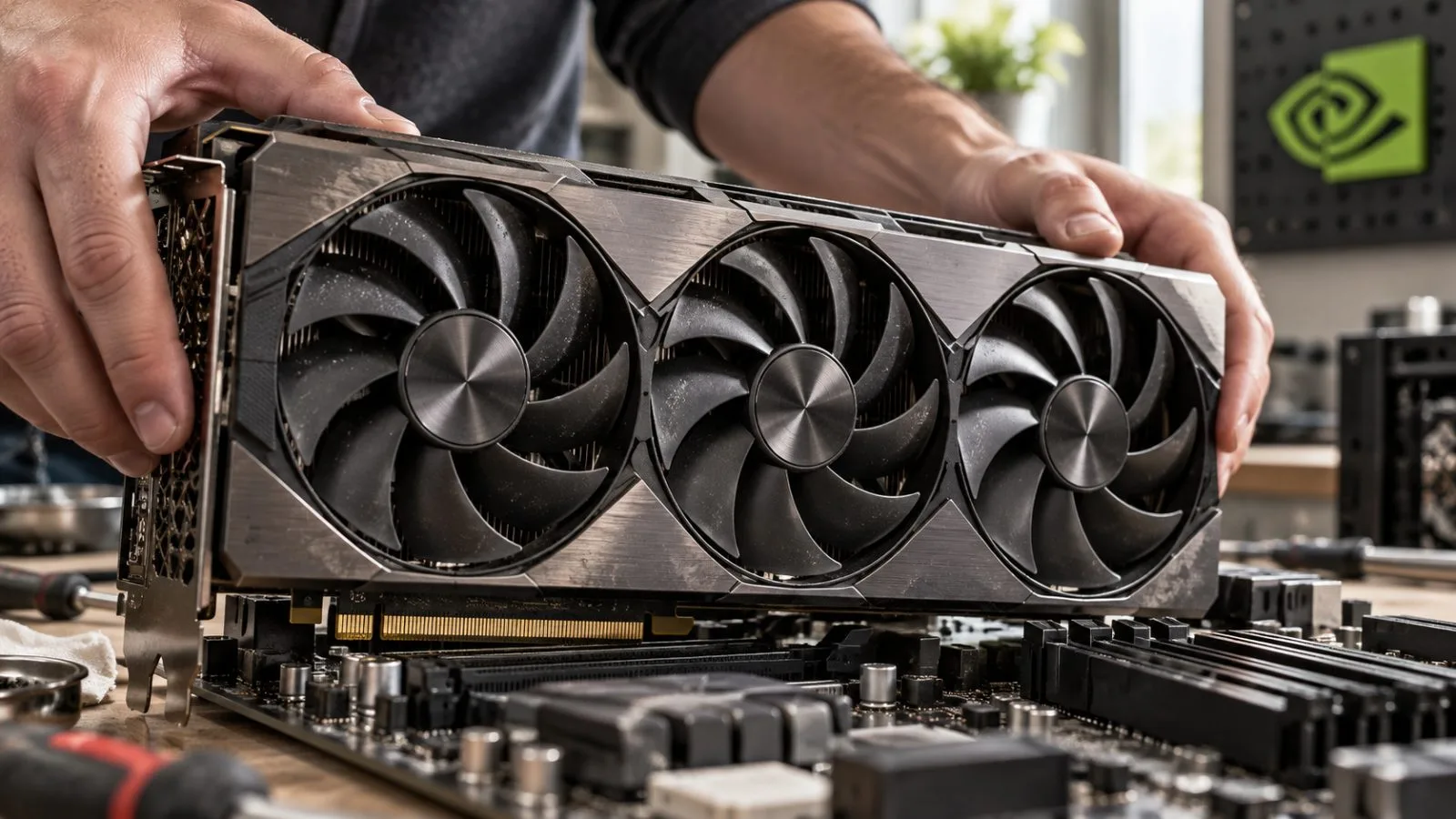
China urged the United States not to invoke espionage allegations involving Nvidia to defend technology restrictions, as Beijing fielded questions about possible effects on expected talks between the countries’ leaders, Anadolu Agency reported.
At a regular briefing Thursday, Chinese Foreign Ministry spokeswoman Mao Ning said China’s scientific and technological progress depends on “independent innovation and open cooperation.” She objected to Washington using what she called the “Chinese spy” narrative to defend technology restrictions. EconoTimes previously covered China’s rejection of the allegations during a U.S. congressional inquiry.
Mao said Beijing was prepared to act on understandings reached by the two presidents and pursue a constructive relationship with Washington that is strategically stable and grounded in respect, fairness and reciprocity.
Nvidia’s board said Nov. 8 that it had opened an independent investigation. The board said it had “no reason to believe” national security or Nvidia secrets were compromised and that the inquiry would examine all available information.
Separately, Nvidia co-founder and CEO Jensen Huang resigned as CEO and a board member, effective Thursday, the company said. Chief Financial Officer Colette Kress was named interim CEO. Nvidia did not give a reason for the transition.
Anadolu reported that Mao was asked whether the allegations could affect a meeting between Chinese President Xi Jinping and U.S. President Donald Trump. A separate question concerned U.S. restrictions on advanced semiconductor exports to China. Xi was expected to host Trump in Shenzhen at the Asia-Pacific Economic Cooperation summit the following week, the agency reported.