China and Russia blamed destructive external interference for current instability across Eurasia, using a joint communiqué to condemn force-backed coercion and reject a world split into rival regions or blocs.
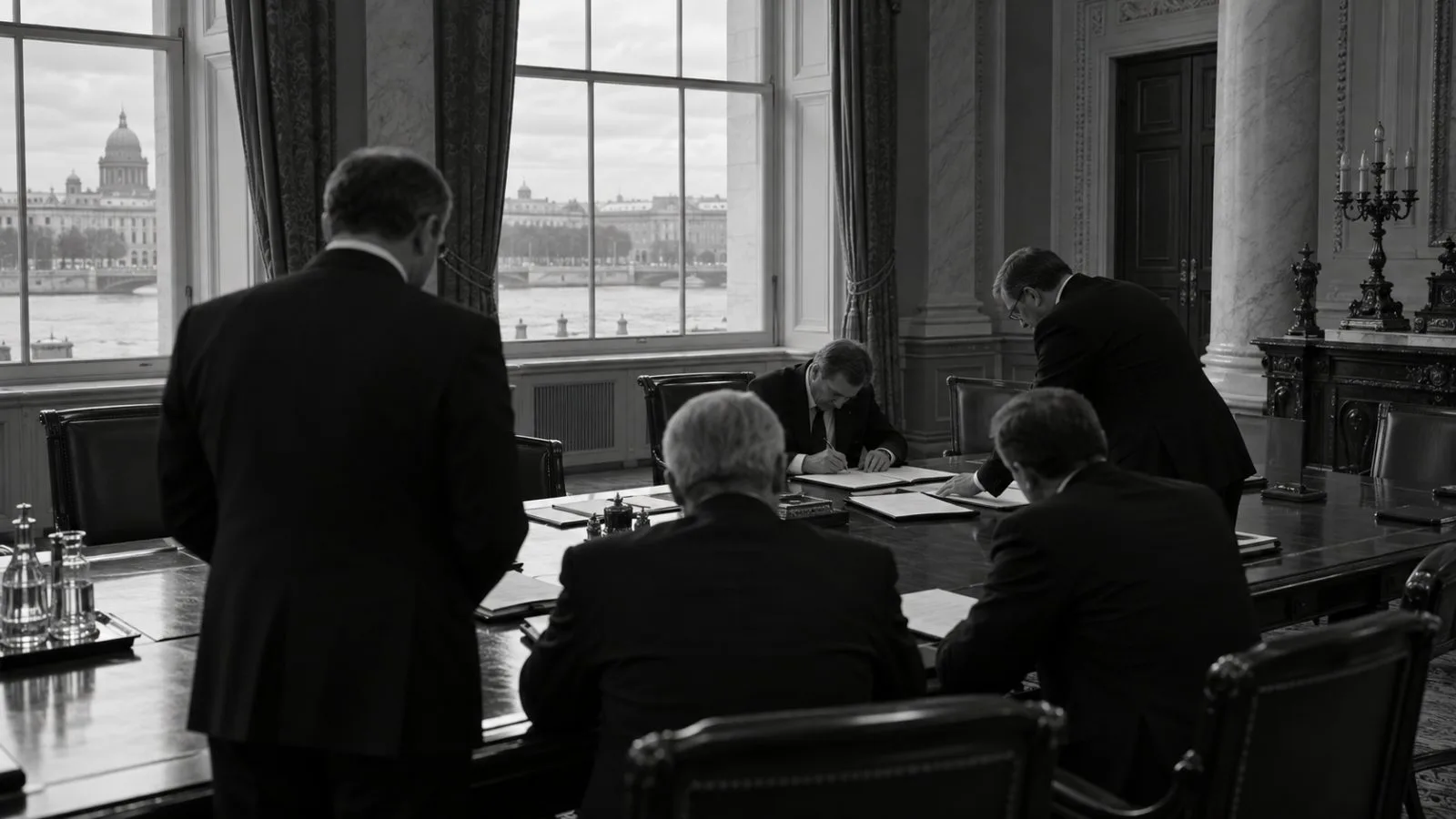
Chinese Premier Li Qiang and Russian Prime Minister Mikhail Mishustin co-chaired the countries’ 31st regular meeting in St. Petersburg on Oct. 21 and signed the document. China’s Ministry of Foreign Affairs published the full text on Oct. 22. Li also met Russian President Vladimir Putin during a visit spanning Oct. 20-21.
The communiqué said external pressure backed by force sought to weaken regional solidarity, mutually beneficial cooperation and development based on equality and countries’ core interests. It did not name a government or incident in that passage.
Both governments endorsed the United Nations’ central role and international law in the international order, while opposing efforts to divide the world into competing regional camps. China reiterated support for Russia’s security, stability, national unity, development, prosperity, sovereignty and territorial integrity, and objected to outside involvement in its internal affairs.
The document gave positive weight to China’s Global Development, Global Security, Global Civilization and Global Governance initiatives, as well as Russia’s Greater Eurasian Partnership and Eurasian Security Architecture. The two sides said they would explore cooperation on the security architecture and China’s Global Security Initiative.
The communiqué noted two anniversaries in 2026: three decades since the strategic partnership of coordination was announced and 25 years since the Treaty of Good-Neighborliness and Friendly Cooperation was signed. China and Russia scheduled their next regular meeting for 2027; diplomats will settle its date, location and format.